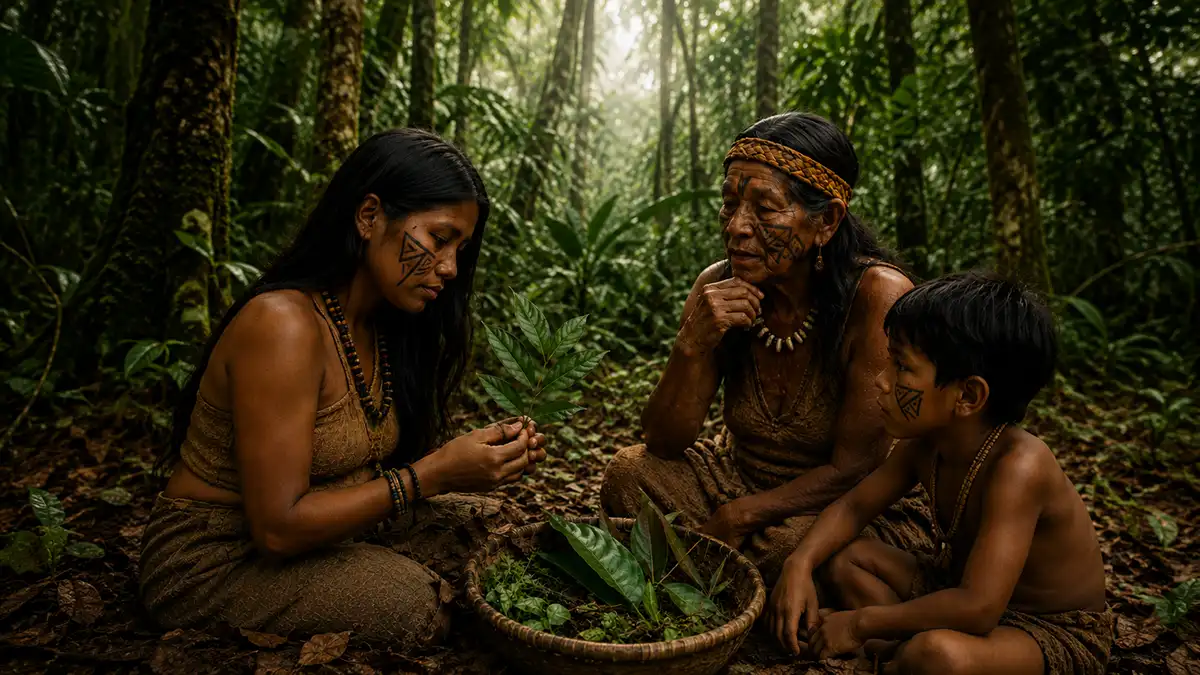
Indigenous People Day Should be Everyday

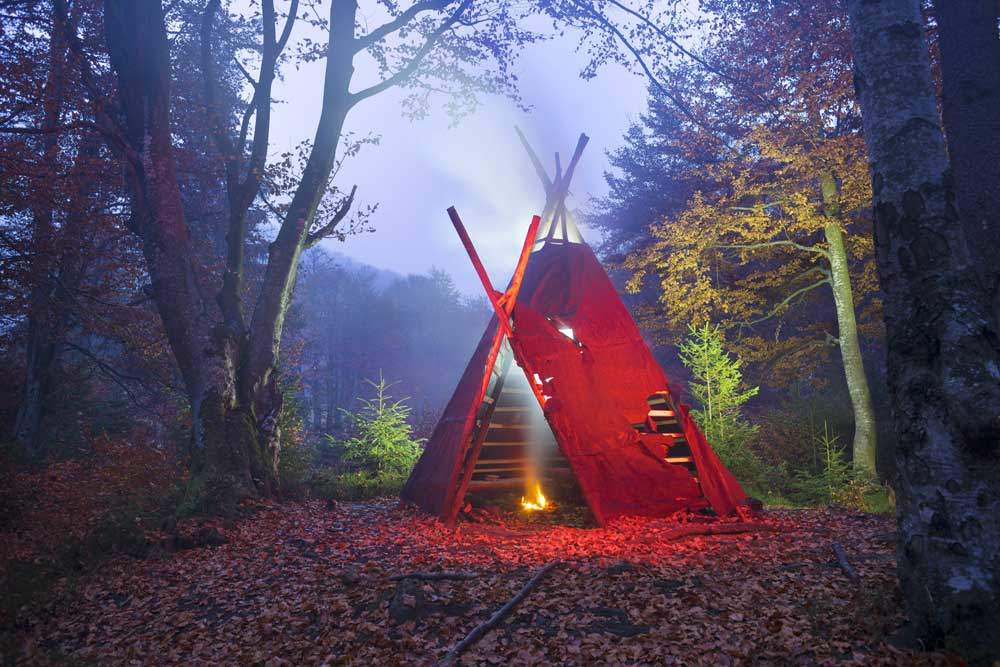
beautiful tipi queen of the forest natural living sacred space indigenous native medicine fire
Indigenous People Day Should be Everyday queen of the forest celebrate ceremony native peoples
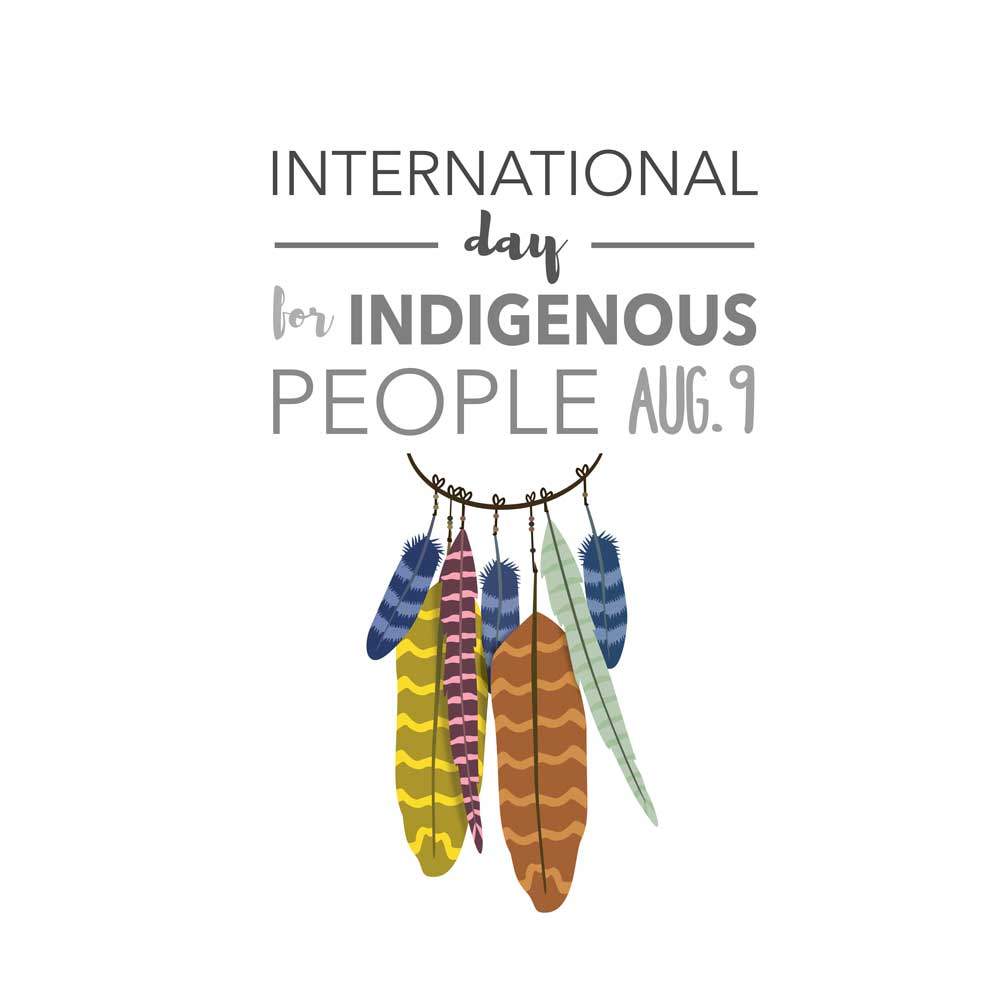
The International Day of the World’s Indigenous People’s is observed on 9 August each year to promote and protect the rights of the world’s indigenous population. This event also recognizes the achievements and contributions that indigenous people make to improve world issues such as environmental protection. It was first pronounced by the General Assembly of the United Nations in December 1994, marking the day of the first meeting of the UN Working Group on Indigenous Populations of the Subcommission on the Promotion and Protection of Human Rights, in 1982.

There are an estimated 370 million indigenous people in the world, living across 90 countries. They make up less than 5 per cent of the world’s population, but account for 15 per cent of the poorest. They speak an overwhelming majority of the world’s estimated 7,000 languages and represent 5,000 different cultures.

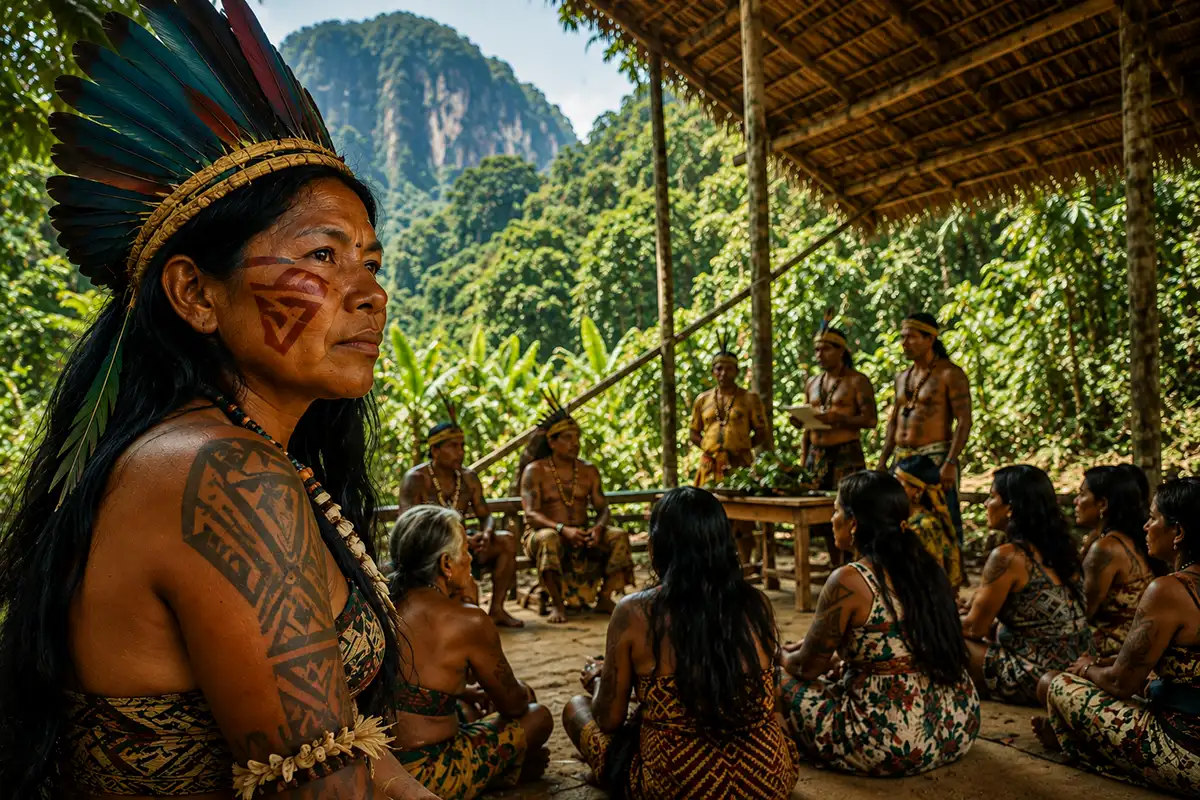
Indigenous peoples are inheritors and practitioners of unique cultures and ways of relating to people and the environment. They have retained social, cultural, economic and political characteristics that are distinct from those of the dominant societies in which they live. Despite their cultural differences, indigenous peoples from around the world share common problems related to the protection of their rights as distinct peoples.

Indigenous peoples have sought recognition of their identities, way of life and their right to traditional lands, territories and natural resources for years, yet throughout history their rights have always been violated. Indigenous peoples today, are arguably among the most disadvantaged and vulnerable groups of people in the world. The international community now recognizes that special measures are required to protect their rights and maintain their distinct cultures and way of life.

Environmental Post Grid

Amazon Medicinal Plants: What Happens When They Disappear?

The Amazon rainforest is often described through extraordinary numbers: millions of species, immense rivers, enormous [...]

Read More
Indigenous Medicine in Brazil: Recognition and Responsibility

Indigenous Medicine in Brazil: A New Moment of Recognition and Responsibility Indigenous medicine in Brazil [...]

Read More
The Ashaninka: The Amazon’s Model Guardians Are Asking the World to Stand With Them

The Ashaninka rebuilt a forest territory the world calls a model of Indigenous stewardship. Now, [...]

Read More
Amazon Deforestation Hits a 10-Year Low: What This Rare Good News Means for the Forest

Amazon deforestation just fell to its lowest level in ten years — down 38% in [...]

Read More
Sananga Benefits: 11 Reasons This Amazonian Tradition Is Gaining Global Attention

Sananga benefits have become an increasingly popular subject among people interested in Amazonian traditions, Indigenous [...]

Read More
Indigenous Wisdom: What the Guardians of the Amazon Can Teach a Changing World

Indigenous wisdom offers some of humanity’s oldest and most enduring teachings about community, resilience, spirituality, [...]

Read More
Forest Communication: How Trees Talk Beneath the Soil and What It Means for Humanity

Forest Communication: How Trees Talk Beneath the Soil Forest communication describes the remarkable ways trees, [...]

Read More

savetheforest Indigenous People Day Should be EverydayJoin the Tribe

  Access Exclusive Member Content, Download Music, Images and Get Member only Coupons while you Support our Projects to Save the Forest. Membership is Free and you get immediate access to discounts and downloads.   
Join Today and Get 10% Off your Order

Leave a Reply

This site uses Akismet to reduce spam. Learn how your comment data is processed.