The Forest Within: What Nature Teaches Us About Emotional Resilience

The Wisdom Hidden in the Wild
There are moments in life when everything seems uncertain.
A relationship ends. A dream falls apart. A diagnosis arrives unexpectedly. A loss leaves an empty space that words cannot fill. Sometimes the challenge comes from outside us, and sometimes it emerges from within. Anxiety, grief, confusion, exhaustion, and disappointment are all part of the human experience.
Yet despite these difficulties, some people seem capable of finding their way forward. They bend but do not break. They suffer, yet they continue growing. They face storms and somehow emerge stronger, wiser, and more compassionate.
This capacity is often called emotional resilience.
While modern psychology has studied emotional resilience extensively, nature has been demonstrating it for millions of years. Every forest, river, mountain, and living ecosystem contains lessons about adaptation, renewal, endurance, and transformation.
The natural world does not resist change. It does not expect life to be easy. Instead, it reveals a profound truth: resilience is not about avoiding hardship. It is about learning how to move through it.
If we slow down enough to observe, we discover that the forest around us mirrors the forest within us.
Emotional Resilience Is Not What Most People Think
Many people imagine emotional resilience as toughness.
They believe resilient individuals are those who never cry, never feel fear, never doubt themselves, and always appear strong.
Nature teaches something entirely different.
A tree does not survive a storm because it is rigid. In fact, the trees that resist the wind too aggressively are often the first to snap. The trees that endure are the ones capable of bending.
True emotional resilience is flexibility.
It is the ability to feel sadness without becoming consumed by it. It is the ability to experience fear without allowing fear to make every decision. It is the capacity to remain open to life even after disappointment.
The strongest people are not those who avoid vulnerability. They are those who remain connected to their hearts despite life’s challenges.
Nature reminds us that strength and softness are not opposites. They are partners.
The Forest Grows Through Disturbance
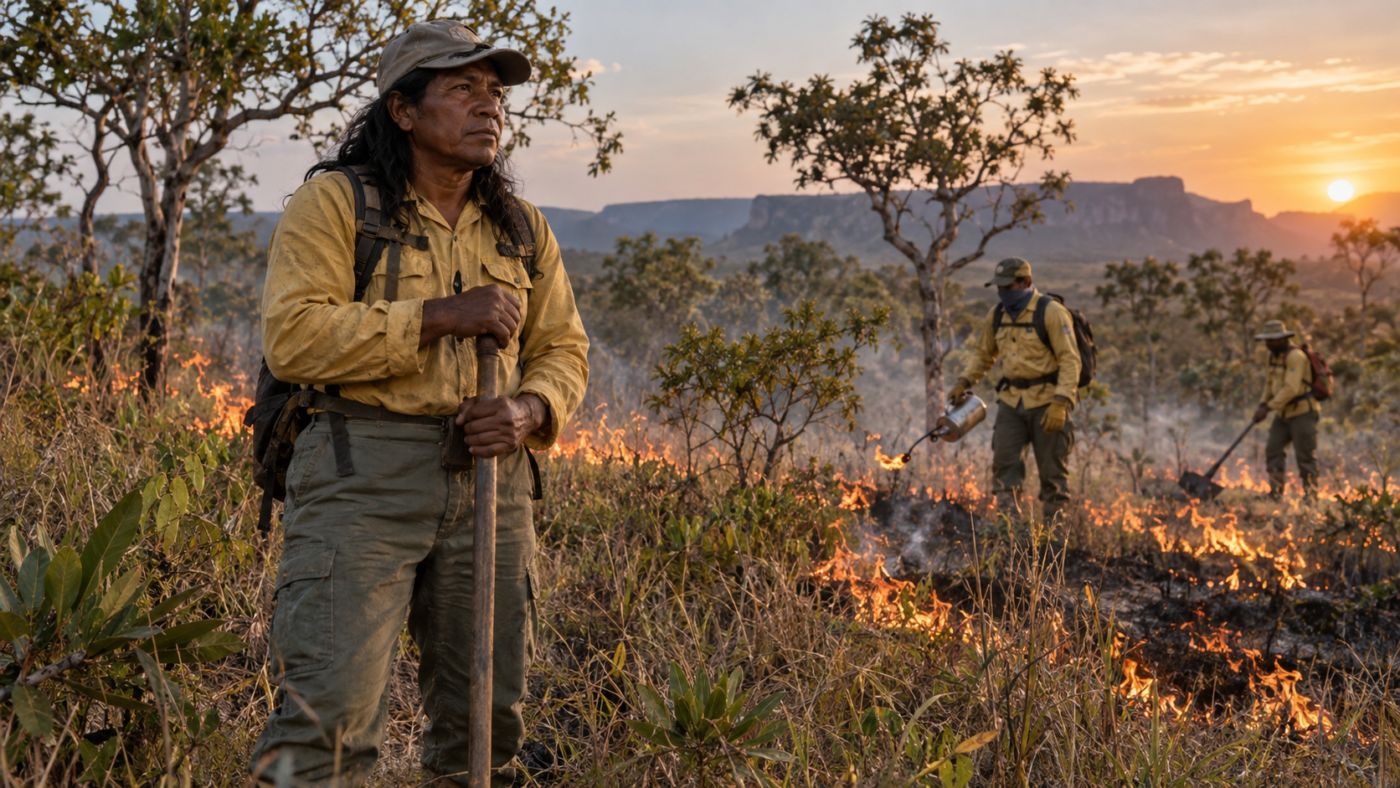
One of the most fascinating discoveries in ecology is that many forests actually depend upon disruption.
Fires, storms, floods, fallen trees, and changing seasons create openings that allow new life to emerge.
A forest without change can become stagnant.
A forest that experiences challenges often becomes more diverse and adaptable.
Human beings are remarkably similar.
Many of our greatest transformations emerge from periods we would never have chosen.
The loss that taught us gratitude.
The heartbreak that revealed our true values.
The failure that redirected us toward our purpose.
The illness that inspired a healthier way of living.
When viewed from within the experience, these moments can feel overwhelming. Yet when viewed from a broader perspective, they often become turning points that shape who we become.
This does not mean suffering is inherently good.
It means that growth remains possible even when life becomes difficult.
Like the forest, we can discover unexpected strength in times of disturbance.
Trees Teach Patience and Stability
Modern culture celebrates speed.
We want immediate answers, instant results, and rapid transformation.
Nature operates according to a different rhythm.
Consider a massive rainforest tree.
It may take decades or even centuries to reach its full size. Throughout its life, it faces droughts, storms, insects, competition, and countless environmental changes.
Yet it continues growing.
Slowly.
Steadily.
Patiently.
One ring at a time.
This lesson is invaluable for developing emotional resilience.
Healing is rarely instantaneous.
Trust is rebuilt gradually.
Confidence develops through repeated experience.
Wisdom emerges over years rather than days.
The forest teaches us that meaningful growth often occurs beneath the surface long before visible results appear.
Just because we cannot see progress does not mean progress is not happening.
Rivers Teach Adaptability
Few symbols in nature embody resilience more beautifully than rivers.
A river encounters countless obstacles along its journey.
Boulders.
Cliffs.
Fallen trees.
Changing terrain.
Yet the river continues moving.
It does not waste energy arguing with reality.
It adapts.
When blocked, it finds another path.
When slowed, it remains patient.
When conditions change, it changes with them.
Many emotional struggles arise because we attempt to control what cannot be controlled.
We fight circumstances.
We resist endings.
We cling to expectations.
We wish reality were different than it is.
The river offers another approach.
Acceptance does not mean giving up.
Acceptance means recognizing reality clearly enough to respond wisely.
Like water, we can learn to navigate obstacles rather than becoming trapped by them.
Seasons Teach That Everything Changes
One of the greatest sources of suffering is the belief that difficult emotions will last forever.
When sadness arrives, it can feel permanent.
When anxiety appears, it can seem endless.
When grief enters our lives, it may appear impossible to imagine joy again.
Nature consistently demonstrates otherwise.
Every season changes.
Winter becomes spring.
Night becomes dawn.
Storms eventually pass.
Leaves fall and return.
The forest never mistakes a season for eternity.
Humans often do.
Developing emotional resilience involves remembering that emotions are visitors, not permanent residents.
Every feeling carries information.
Every feeling deserves acknowledgment.
But no feeling remains forever.
The awareness that life is constantly changing can provide tremendous comfort during difficult times.
The Hidden Strength of Roots
When people admire a giant tree, they typically focus on what is visible above ground.
The trunk.
The branches.
The leaves.
The beauty.
Yet the tree’s survival depends largely upon what remains unseen.
Its roots.
Roots provide stability during storms.
They access nourishment during droughts.
They create connections with surrounding life.
Human resilience also depends upon invisible foundations.
These roots may include:
Meaningful relationships.
Spiritual practices.
Time in nature.
Community.
Purpose.
Gratitude.
Daily rituals.
Moments of silence.
When challenges arise, these inner roots become essential.
They help us remain grounded when circumstances become turbulent.
The stronger our roots, the greater our ability to weather life’s storms.
Nature Never Rushes Healing
If a branch breaks, a tree does not heal overnight.
If soil becomes damaged, an ecosystem may require years to recover.
Nature understands something many humans forget:
Healing follows its own timeline.
In modern culture, there is often pressure to “move on” quickly.
People expect themselves to recover from grief immediately.
They become frustrated by emotional setbacks.
They interpret temporary struggles as signs of failure.
Nature offers a gentler perspective.
Healing is not linear.
Growth is not linear.
Recovery is not linear.
There are cycles, pauses, setbacks, and breakthroughs.
There are periods of visible progress and periods of quiet integration.
The forest does not judge itself for taking time to heal.
Perhaps we should extend the same compassion to ourselves.
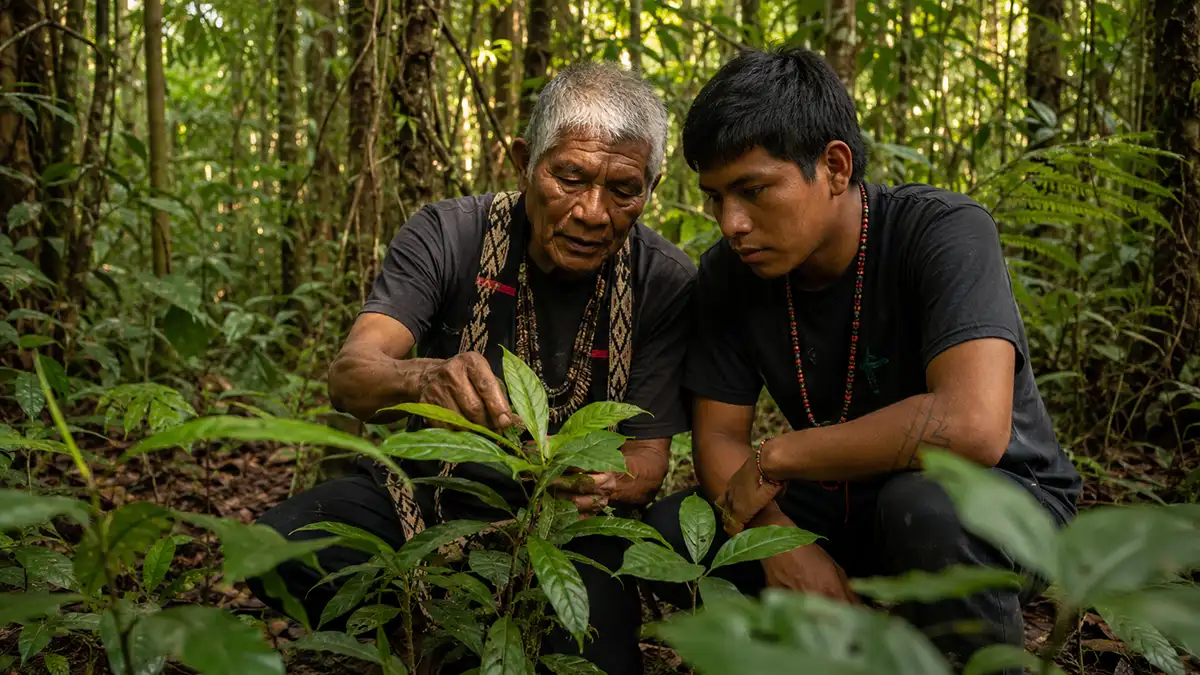
Indigenous Wisdom and Emotional Resilience
For countless generations, Indigenous peoples have understood that emotional well-being is deeply connected to our relationship with the natural world.
Many traditional cultures view humans not as separate from nature but as participants within a larger living system.
When people become disconnected from the rhythms of the Earth, imbalance often follows.
When they reconnect, healing often begins.
This wisdom remains profoundly relevant today.
Spending time among trees.
Walking barefoot on the earth.
Listening to birdsong.
Watching flowing water.
Observing the moon.
Sitting quietly in nature.
These practices may appear simple, yet they reconnect us with patterns that have guided human beings for thousands of years.
Nature reminds us that we belong.
And belonging itself is a powerful source of resilience.
The Forest Within
The deeper we look, the more we realize that the forest exists not only around us but also within us.
Like forests, we experience cycles.
Like rivers, we adapt.
Like trees, we grow slowly.
Like seasons, we change.
Like roots, we depend upon unseen foundations.
Life will always include uncertainty.
Challenges will arise.
Losses will occur.
Unexpected changes will appear.
Resilience does not eliminate these realities.
It transforms our relationship with them.
Instead of fearing every storm, we learn to trust our capacity to endure.
Instead of resisting change, we learn to move with it.
Instead of viewing hardship as proof of weakness, we begin recognizing it as part of growth.
The forest teaches that resilience is not the absence of struggle.
It is the ability to continue growing despite it.
Becoming Like the Forest
Perhaps the greatest lesson nature offers is this:
Everything alive faces challenges.
Trees endure storms.
Rivers encounter obstacles.
Mountains weather erosion.
Forests recover after disturbance.
Yet life continues.
Again and again.
Not because it avoids difficulty, but because it knows how to respond to it.
The same possibility exists within each of us.
The next time life feels overwhelming, step outside.
Find a tree.
Listen to a river.
Watch the wind move through the leaves.
Observe the patience of the Earth.
The natural world has been teaching emotional resilience since long before human beings existed.
Its wisdom remains available to anyone willing to listen.
Within every forest lies a lesson about survival.
Within every season lies a lesson about change.
And within every human heart lies a resilience waiting to be remembered.
Continue exploring
All stories
The medicines of the forest