

Kuripe vs Tepi: What’s the Difference?
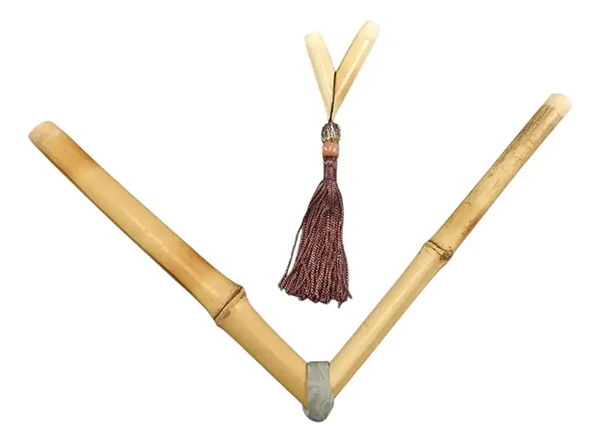
Kuripe vs Tepi: What’s the Difference and Which Rapé Applicator Should You Use?
When people begin learning about rapé, one of the most common questions is the difference between a kuripe and a tepi. Both are traditional rapé applicators, but they are used in very different ways. Understanding this difference can help you choose the right tool for your practice, especially if you are just beginning.
In simple terms, a kuripe is used for self-application, while a tepi is used when one person serves rapé to another. Both tools carry purpose and tradition, but each serves a distinct role in the ritual use of rapé.
Quick Answer: Kuripe vs Tepi
A kuripe is a self-applicator that allows you to apply rapé to yourself. A tepi is a longer applicator used to serve rapé to another person. For most beginners, a kuripe is usually the better place to start because it supports a personal practice and does not require another person to administer the medicine.
What Is a Kuripe?
A kuripe is a traditional self-applicator used for rapé. It is usually small and shaped so that one end reaches the mouth and the other reaches the nostril, allowing the user to deliver the medicine to themselves with control and intention.
Because it is designed for personal use, a kuripe is often the preferred option for people building a private prayer, meditation, or cleansing practice. It is practical, portable, and ideal for those who want autonomy in how they work with rapé.
What Is a Tepi?
A tepi is a traditional rapé applicator used when one person serves the medicine to another. It is typically longer than a kuripe and is associated with guided application, ceremonial use, and moments of shared ritual.
Because a tepi involves another person, it is often used in contexts where there is trust, experience, and a clear container for the offering. For this reason, many people encounter the tepi more often in ceremony than in solitary practice.
Kuripe vs Tepi: The Main Differences
The main difference between a kuripe and a tepi is who receives and who administers the rapé. A kuripe is for self-application. A tepi is for serving another person.
A kuripe is usually better suited for personal ritual, individual practice, and beginners who want to learn with care and consistency. A tepi is more often associated with ceremonial service, facilitation, or shared settings where the medicine is offered from one person to another.
Another important difference is the experience itself. With a kuripe, you control the breath, timing, and force of the application. With a tepi, that control is shared or handed to the person serving you, which can create a different ceremonial dynamic.
Which Is Better for Beginners?
For most beginners, a kuripe is the best starting point. It is simpler, more practical for home use, and helps you build a relationship with rapé through personal intention and direct experience.
A tepi is generally more appropriate in guided settings or when someone experienced is offering the medicine in a respectful ceremonial environment. While both tools are meaningful, the kuripe is usually the more accessible and realistic first choice for personal practice.
When to Choose a Kuripe
You may want to choose a kuripe if you:
– want to apply rapé to yourself
– are building a personal ritual practice
– want a tool that is easy to carry and use
– are new to rapé and want to begin simply
When to Choose a Tepi
You may want to choose a tepi if you:
– receive rapé from another person in ceremony
– serve rapé in a respectful guided setting
– want a tool intended for shared ritual use
– already understand the relational and ceremonial side of the practice
Choosing the Right Rapé Applicator for Your Path
If your path with rapé is mainly personal, private, and self-guided, a kuripe is usually the right choice. If your path includes receiving or offering rapé in a ceremonial context with another person, a tepi may be the better fit.
For some people, owning both eventually makes sense: a kuripe for self-application and a tepi for shared ritual. But for most people entering this world for the first time, the kuripe is the more natural place to begin.
Related Guides
How to Use Rapéh for Beginners
Frequently Asked Questions
What is the difference between a kuripe and a tepi?
A kuripe is used for self-application, while a tepi is used when one person serves rapé to another person.
Is a kuripe better for beginners?
Yes, in most cases a kuripe is better for beginners because it supports personal use and is easier to integrate into an individual practice.
Can you use a tepi alone?
A tepi is generally meant for serving another person, so it is not usually the preferred tool for solo use.
Should I buy a kuripe or a tepi first?
If you are just beginning, a kuripe is usually the better first purchase. It is more practical for personal use and helps you build familiarity with the practice.
Explore Rapé Applicators
If you are ready to choose your tool, explore our handcrafted applicators and find the one that best supports your path.
Continue exploring
All stories
The medicines of the forest