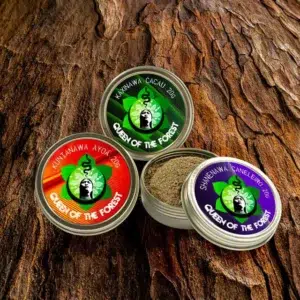

Hapé (Rapé) Effects and Side Effects: What It Feels Like and How to Stay Safe
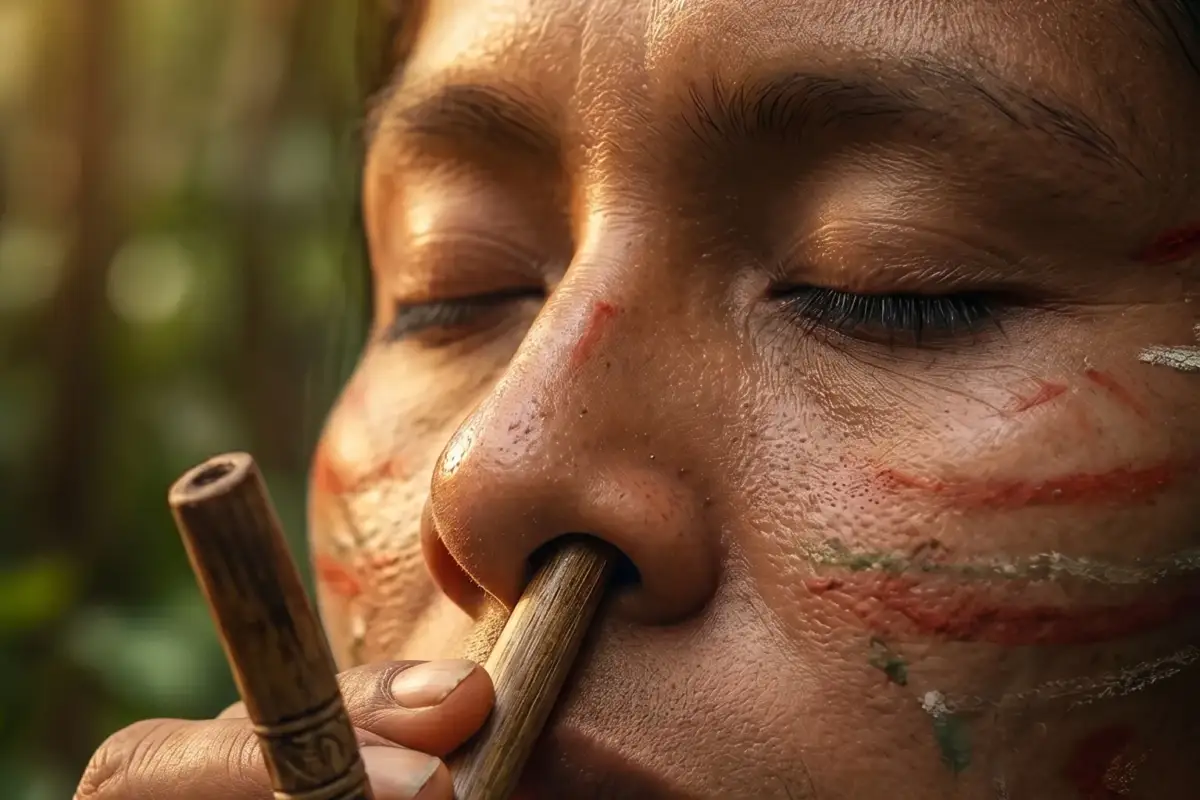
Hapé (rapé) is a strong medicine, and it is felt quickly. Knowing what is normal, what is a sign you used too much, and when not to use it at all is part of approaching it with respect. This guide answers the questions people most often ask us about its effects.
Quick answer: hapé is usually felt within seconds as a strong, sharp sensation in the nose, sinuses and head. Watering eyes, heat, a running nose and a strong urge to breathe deeply are common. The first intensity tends to pass within a few minutes. It often settles into a quieter, grounded and clear state that many people sit with for ten to twenty minutes. Too much can bring dizziness or nausea. If you are pregnant, have a heart condition, or take regular medication, speak with your doctor before using it.
If you are new to this medicine, start with our guide on what hapé (rapé) is.
What does hapé feel like?
The first moments are physical. When the medicine is applied through a kuripe or a tepi, most people feel:
- a strong, sharp sensation in the nose and sinuses, sometimes described as pressure behind the eyes or forehead
- watering eyes and tears
- warmth or heat in the face and body
- a running nose and the release of mucus
- a deeper, slower breath as the body responds
Then, for many people, something quieter arrives. The mind slows, attention comes back into the body, and there is a sense of being grounded and present. Some people feel an emotional release: a sigh, a few tears, a lightness. In the traditions this medicine comes from, that clearing is part of its work, not a side effect to be avoided.
Every blend feels different. Some are gentle and soft, others strong and clearing. Your sensitivity, the amount and the setting all shape the experience. Our guide on why blends feel so different explains more.
How long do the effects of hapé last?
The strongest sensations usually last a few minutes. After that, the effect tends to settle into calm and clarity. Many people remain seated in silence for ten to twenty minutes while it integrates. A lighter sense of presence can stay with you for longer. Give yourself time before standing, driving or returning to busy activity.
Common side effects
These are usually temporary and pass on their own:
- tears, redness around the eyes and a running nose
- sneezing or coughing, especially if the medicine is inhaled rather than received
- a brief headache or feeling of pressure
- lightheadedness when standing up too quickly
- nausea, and in some cases a physical purge (vomiting), especially with stronger blends or larger amounts
In ceremony, a purge is understood as a release. But if you are purging or feeling dizzy often, you are most likely using too much or a blend that is too strong for you. Our dosage guide explains how to find the right amount.
Signs you used too much
- overwhelming physical discomfort that does not ease after a few minutes
- strong dizziness or nausea
- difficulty staying calm and present
If this happens, sit or lie down, breathe slowly and drink some water. Do not judge yourself. Next time, use less and choose a gentler blend. Our best hapé for beginners guide suggests where to start.
Is hapé a drug?
Hapé is a traditional Amazonian medicine: a fine powder of mapacho (Nicotiana rustica), sacred ashes and other plants, prepared with prayer by Indigenous peoples of the Amazon. It is not a recreational drug and it is not a psychedelic. In most places it is not classified as a narcotic or controlled substance. Our article Is hapé legal? covers the legal side in detail.
Is hapé a hallucinogenic?
No. Hapé does not cause visions or hallucinations. People describe its effect as clearing, grounding and focusing. It is sometimes used in ceremonies alongside visionary medicines, but hapé itself is not one of them.
Is hapé dangerous? Who should not use it?
Used in small amounts, with intention and from a trusted source, hapé is approached safely by many people. It is still a potent medicine, and it is not for everyone. Please do not use hapé, or speak with your doctor first, if you:
- are pregnant or breastfeeding
- have a heart condition or high blood pressure
- take prescription medication, especially for the heart, blood pressure or mood
- have a respiratory condition or a sinus problem
- are under 21
Mapacho contains nicotine, so take particular care if you are sensitive to it, and use hapé with intention rather than habit.
Do not mix hapé with alcohol. Hapé is not a replacement for medical or mental health care. If you are living with a health condition, your doctor’s advice comes first.
Can hapé become a habit?
It can, if it is used out of routine rather than intention. Frequent, unconscious use tends to dull the experience and turn a practice into a reflex. Traditionally, hapé is received with a clear purpose: prayer, grounding, clearing, or preparing for ceremony. If you notice you are reaching for it without intention, take a pause. Our how to use hapé guide talks about working with rhythm and respect.
How to have a gentler experience
- start with a very small amount, one nostril at a time
- choose a balanced, grounding blend for your first sessions
- sit in a quiet place, and set your intention before you begin
- breathe gently through the mouth as the medicine is received, rather than inhaling sharply through the nose
- stay seated afterwards, with tissues and water nearby
- buy from a source that names the people who prepared the blend. Our guide on how to choose hapé responsibly explains what to look for
Frequently asked questions
What does hapé feel like? A strong, sharp sensation in the nose and head, with tears and warmth, followed by calm, grounding and mental clarity.
How long does hapé last? The intense part usually lasts a few minutes; many people sit with the effects for ten to twenty minutes.
Is hapé a drug? It is a traditional Amazonian plant medicine. It is not a recreational drug or a psychedelic, and in most places it is not a controlled substance.
Is hapé a hallucinogenic? No. It is clearing and grounding, not visionary.
Is it normal to feel nauseous after hapé? Mild nausea can happen, especially with strong blends or larger amounts. If it happens often, use less or choose a gentler blend.
Who should not use hapé? Anyone pregnant or breastfeeding, anyone with a heart or blood pressure condition, anyone on regular medication without their doctor’s advice, and anyone under 21.
A medicine to meet with respect
The effects of hapé are real and immediate. That is why it has always been received with intention, in small amounts, and with gratitude to the peoples who carry it. Approached this way, most of what people call side effects become part of the clearing. When you feel ready, explore our Sacred Rapé (Hapé) blends, each prepared by the Indigenous families who make them.
Continue exploring
All stories
The medicines of the forest