


Handcrafted Bamboo Tepi • Indigenous Ceremonial Applicator
$47.00
Only 4 left in stock
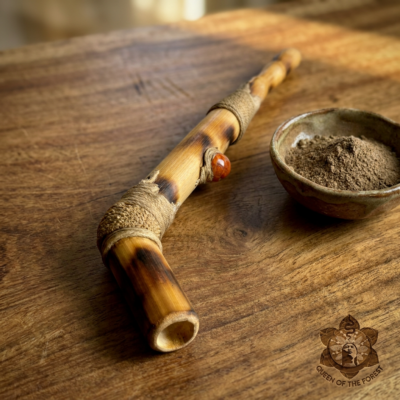
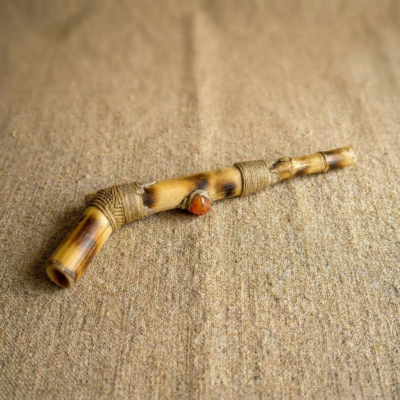
Handcrafted traditional bamboo tepi — the Amazonian applicator used to apply rapéh from one person to another. Made from natural materials by Indigenous artisans of the Brazilian Amazon, each piece is unique in color, grain, wrapping and finish.
Handcrafted Indigenous Bamboo Tepi
This handcrafted bamboo tepi is a traditional Amazonian applicator used to apply sacred rapéh from one person to another. Made from natural materials and finished by hand, each piece carries its own unique color, grain, wrapping and artisan details.
Unlike a kuripe, which is designed for self-application, a tepi applicator is traditionally used by a facilitator or practitioner to apply rapéh to another person.
Craftsmanship & Materials
Each Queen of the Forest tepi is sourced through our relationships with Indigenous artisans and communities of the Brazilian Amazon. This style is made from bamboo — a lightweight, natural and durable material with a beautiful organic appearance and natural variations in tone and grain. Many handcrafted tepis also include fiber wrapping, beadwork, carvings or symbolic decorative details that reflect the artisan’s style and the visual traditions of the community that created the piece.
Because each tepi is handmade, no two pieces are exactly alike. Your tepi may differ slightly from the product photos in color, bamboo markings, wrapping, bead details and overall finish.
Product Highlights
- Traditional handcrafted bamboo tepi
- Made by Indigenous artisans of the Brazilian Amazon
- Natural bamboo construction with hand-wrapped details
- Lightweight and functional
- Each piece is unique in color, shape, grain and finish
About the Tepi
A tepi is a traditional Amazonian rapéh applicator (also spelled rapé, hapé or hapeh). It usually consists of two hollow tubes connected at an angle and is used when one person applies rapéh to another, most commonly in ceremonial settings. Traditional tepis may be made from natural materials sourced from the rainforest, including bamboo, wood, bone, seeds, natural fibers, resin, and beads or tribal adornments.
Tepi vs Kuripe: What Is the Difference?
Many beginners confuse the tepi and the kuripe, but they are used in different ways.
Tepi
- Used to apply rapéh to another person
- Requires a facilitator or medicine carrier
- Often longer than a kuripe
Kuripe
- Used for self-application
- Smaller and more portable
Both are traditional Amazonian rapéh tools, often handcrafted by Indigenous artisans. You can learn more in our kuripe vs tepi comparison guide, or browse our collection of handcrafted kuripes and tepis.
Indigenous Craftsmanship & Ethical Sourcing
At Queen of the Forest, we believe sacred tools should be sourced with respect for the people, cultures and traditions that preserve them. Our tepis are not mass-produced factory objects — they are handmade ceremonial pieces created by Indigenous artisans and forest communities. When you choose an authentic handcrafted tepi, you are also supporting Indigenous craftsmanship, cultural continuity and ethical trade rooted in relationship rather than extraction.
Product Details & Care
To care for your bamboo tepi, gently tap out any remaining powder after use and keep the airflow path clear with a soft dry cleaning tool. Wipe the exterior with a clean dry cloth when needed. Avoid soaking the tepi in water and do not use harsh chemicals. Because bamboo and natural fibers can be sensitive to moisture, store your tepi in a cool, dry place away from humidity, direct sunlight and extreme temperature changes. Many practitioners keep their tepi wrapped in cloth or in a pouch.
Frequently Asked Questions
What is a tepi?
A tepi is a traditional Amazonian applicator used to apply rapéh from one person to another. A kuripe, by contrast, is smaller and designed for self-application.
Is this tepi handmade?
Yes. This bamboo tepi is handcrafted from natural materials. Each piece is unique, and small variations in color, wrapping, size and decorative details are normal.
What is it made from?
This tepi is made from bamboo, valued for being lightweight, natural and durable. Some tepis include additional natural materials such as fiber wrapping, beadwork or carved details.
Why does my tepi look slightly different from the photo?
Each tepi is handmade from natural materials. Variations in bamboo tone, grain, wrapping, beadwork, shape and finish are part of the uniqueness of the piece.
Explore our full collection of handcrafted kuripes and tepis and our sacred rapéh blends, or visit our rapé guide to learn more.
Each piece is handmade, so natural variations in grain, color and form make every one unique.
From the forest family
You must be logged in to post a review.

Reviews
There are no reviews yet.