
Is Hapé Legal? US Law, Age 21 and Travel

The short answer: in the United States, hapé is legal for adults aged 21 and over. It is not a controlled substance. Because it is made with tobacco, the law treats it as a tobacco product, so the federal age limit of 21 applies, and some states restrict how it can be shipped. Travel and import rules depend on where you are going.
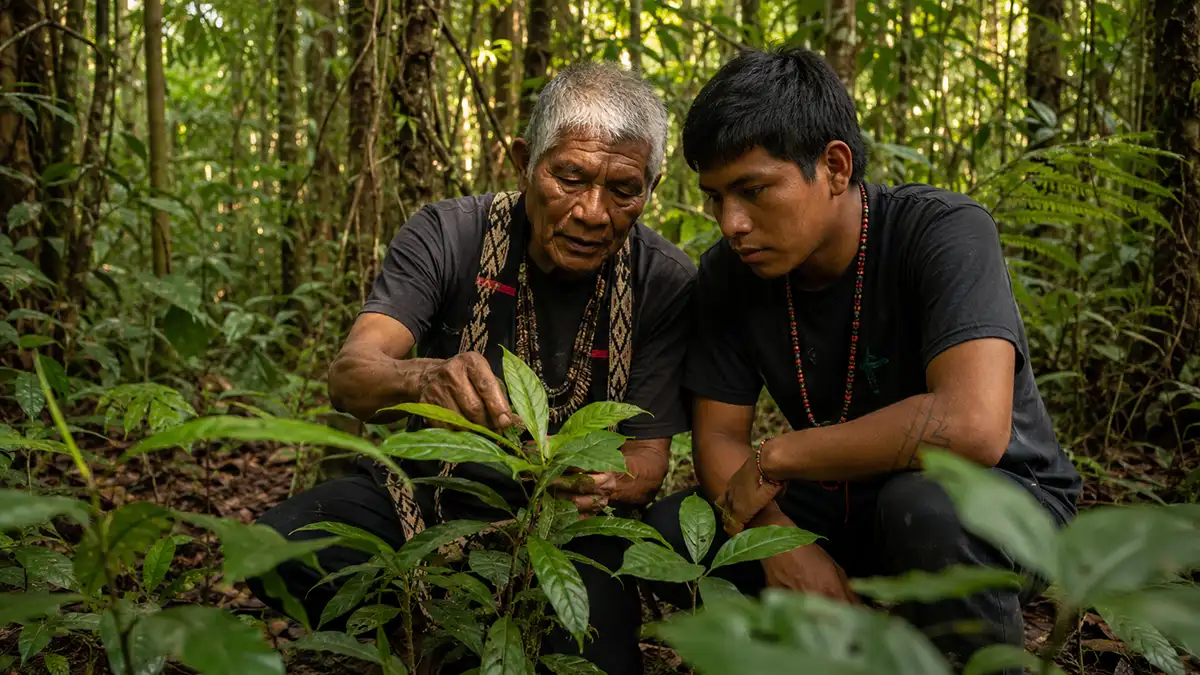
Hapé, also written rapé or rapeh, is a sacred snuff prepared by Indigenous peoples of the Amazon from finely ground Amazonian tobacco (Nicotiana rustica) and the ash of sacred trees, sometimes with other forest plants. Its legal status comes from that one ingredient. This page explains what that means in practice.
Is hapé legal in the United States?
Yes, for adults. Tobacco is legal in every US state, and hapé falls under the same rules. It is not listed on the federal schedules of controlled substances kept by the DEA, and neither tobacco nor nicotine is. Possessing hapé as an adult is not a crime.
What is the minimum age to buy hapé?
21. Since December 2019, federal law has made it illegal for any retailer to sell a tobacco product to anyone under 21, in every state, with no exceptions (FDA, Tobacco 21). At our checkout, every buyer confirms they are 21 or older, and some orders may need an adult signature on delivery.
Can hapé be shipped to every state?
No. Several states restrict the shipping of tobacco products to consumers. We do not ship hapé blends to Connecticut, Hawaii, Louisiana, Maine, Maryland, Nebraska, New York, Ohio, Oklahoma, Oregon, South Dakota, Utah, Vermont or Washington. Kuripes, tepis, art, apparel and other items without tobacco ship to all 50 states.
Is hapé a drug or a hallucinogen?
No. Hapé is not a psychedelic and is not an ayahuasca preparation, and it contains no DMT. Its effect is strong but short: a rush of sensation, grounding and focus that comes mostly from nicotine and fades within minutes. Much of the confusion comes from its place alongside other Amazonian medicines, some of which are controlled substances. Hapé is not one of them. For what the experience is like and who should avoid it, read Hapé effects and side effects.
Does hapé contain nicotine?
Yes. Amazonian tobacco is much stronger in nicotine than ordinary cigarette tobacco, which is why a small amount is enough and why hapé is for adults only.
Will hapé show up on a drug test?
Standard drug tests look for illegal and controlled drugs, and hapé contains none of them. Some employers and insurers do test for nicotine, though, and hapé will show up on a nicotine test like any other tobacco product.
Can I fly with hapé?
Within the US: tobacco products are allowed through airport security. Hapé is a powder, and the TSA may screen powders in carry-on bags more closely when a container holds more than 12 oz (350 ml). Small tins are simplest. Check TSA’s What Can I Bring? tool before you fly.
Across borders: keep hapé in its original labelled container, and declare it as tobacco at customs. Most countries allow a small amount of tobacco for personal use. Larger amounts can be taxed, held or refused. Returning to the US, see CBP’s Know Before You Go.
Is hapé legal in the UK, Canada and Australia?
- United Kingdom: tobacco is legal for adults aged 18 and over. Hapé is taken through the nose, not the mouth, so it is not covered by the UK ban on oral tobacco. Check HMRC’s allowances before you travel.
- Canada: legal for adults. The minimum age is 18 to 21, depending on the province.
- Australia: strict. Travellers have only a small duty-free tobacco allowance, and importing tobacco by mail or courier needs a permit. Read the Australian Border Force tobacco page before you order or travel.
In every country, the most reliable source is the national customs or border website, because rules change.
What does legal mean, and what doesn’t it mean?
Legal means an adult may buy and keep hapé. It does not mean hapé is harmless. It carries the health risks of nicotine, and it is not a treatment for any illness. Hapé is a sacred preparation with a long ceremonial tradition. We ask that it be used with the same respect, and that the law be respected as well. To learn how hapé is prepared and used, start with What is hapé? and How to use hapé. When you are ready, our sacred rapé blends ship from the USA.
Frequently asked questions
Is hapé legal in the United States? Yes, for adults aged 21 and over. Hapé is not a controlled substance. Because it is made with tobacco, it follows tobacco rules.
How old do you have to be to buy hapé? 21. Federal law has set 21 as the minimum age for all tobacco products since December 2019.
Which states can’t receive hapé? We don’t ship hapé blends to CT, HI, LA, ME, MD, NE, NY, OH, OK, OR, SD, UT, VT or WA. Items without tobacco ship everywhere.
Is hapé a hallucinogen? No. It is not a psychedelic and contains no DMT. Its short, strong effect comes mostly from nicotine.
Does hapé show up on a drug test? Not on standard drug panels. It will show up on a nicotine test.
Can I fly with hapé? Yes, within the US. Keep it in its labelled tin, and expect extra screening for powders over 12 oz in carry-on bags. Declare it at customs when you cross a border.
This page explains the general rules. It is not legal advice.
Continue exploring
All stories
The medicines of the forest