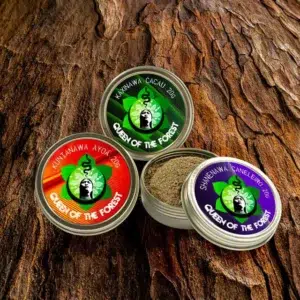
The guide
Hapé (Rapé) Guide: Complete Resource Library & Learning Hub
Everything we have published about rapé in one place — definitions, usage, benefits, traditional tools, blends, and beginner guidance. Use it as your map, and go deeper into whatever matters most right now.
Rapé (also spelled rapeh or hapé) is a sacred Amazonian snuff used for grounding, focus, prayer, and spiritual alignment.
Start here
Go deeper
Understanding rapé
New to this medicine? These foundational guides explain what rapé is, where it comes from, and why people work with it.
How to use rapé
Learning how to use rapé begins with respect, intention, posture, and the proper tool. Some people self-apply with a kuripe, while others receive it from another person using a tepi.
Rapé for beginners
For those just starting, a balanced approach matters more than intensity. Beginner-friendly guidance can help you choose blends, tools, and serving amounts with more confidence and respect.
How much should you use?
One of the most common questions is how much rapé to use. In most cases, starting with a smaller amount is the wisest path, especially for beginners.
Benefits of rapé
Many people explore rapé for its grounding and centering effects. Experiences vary with the blend and with individual sensitivity; it is traditionally used for grounding, mental clarity, focus, energetic alignment, emotional release, and meditation or prayer support.
Blends and types
There are many different types of rapé, each prepared by different Indigenous traditions using unique plant combinations and ashes. Among the best known are Tsunu, Jurema and Nukini blends, each carrying its own character and traditional use.
The tools: kuripe and tepi
The two traditional applicators are the kuripe and the tepi. A kuripe is generally used for self-application, while a tepi is used when another person is serving.
Respect, tradition and intention
Rapé is not merely a product. It comes from living Indigenous traditions that carry knowledge, prayer, discipline, and relationship with the forest. Learning through respect is part of the path.
Explore authentic rapé
If you feel called to explore authentic rapé, choosing high-quality, small-batch blends is essential. Origin, preparation and freshness all shape the experience. Our collection includes traditional blends such as Tsunu, Jurema and Nukini. For a deeper practice you may also want a traditional applicator.
Common questions
Continue your journey
This hub is a central library. Prefer a guided start? Three questions, one minute, and a personal recommendation.
Find your rapé