The Huni Kuin People (Kaxinawá): Guardians of Ancestral Amazonian Wisdom
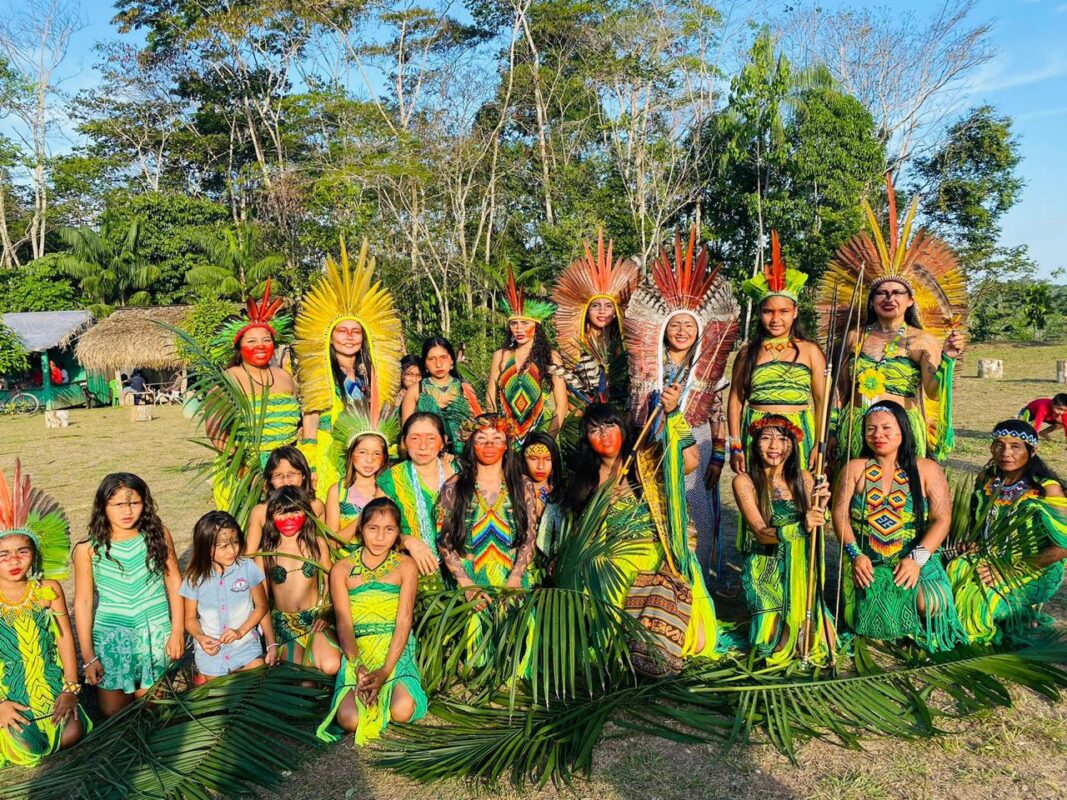
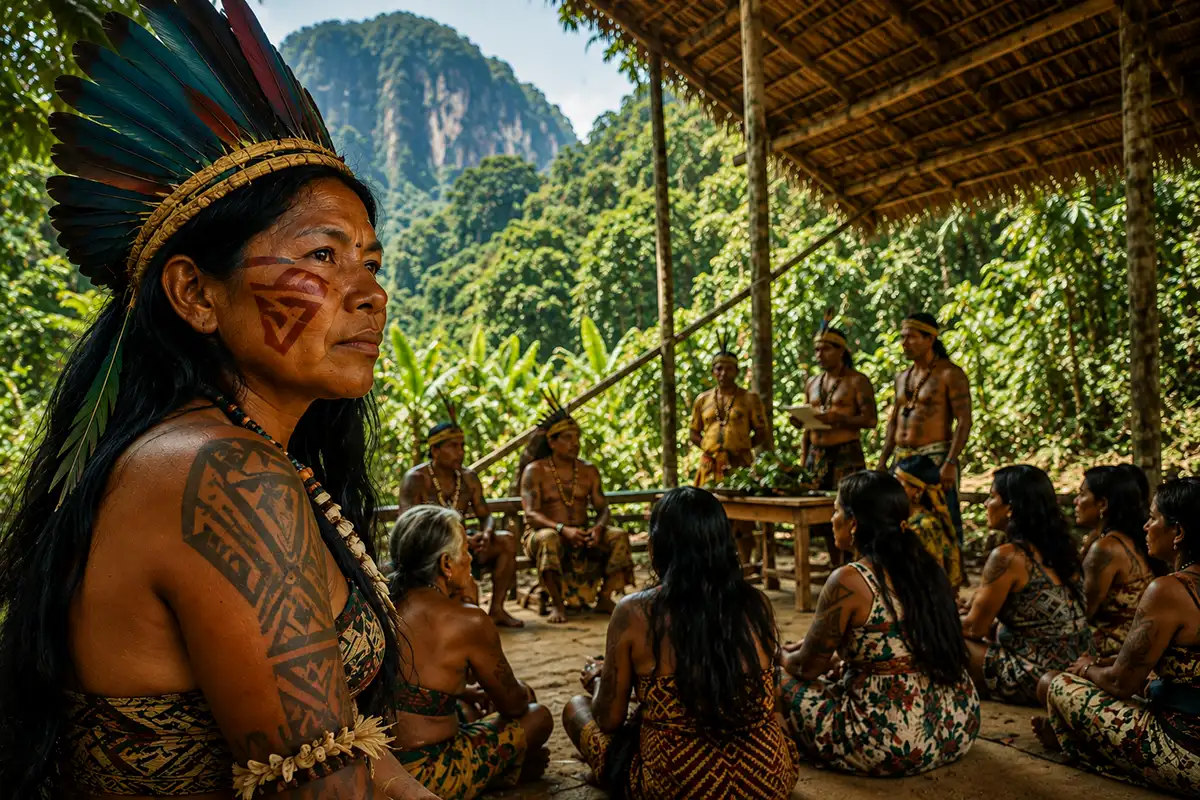
The Huni Kuin people — also known as the Kaxinawá — are one of the most spiritually rich Indigenous peoples of the Amazon rainforest, guardians of ancestral wisdom about unity, balance, sacred medicines, and the interconnection of all life, passed down through generations in the forests of Acre, Brazil.
Guardians of Ancestral Wisdom
Deep within the Amazon rainforest, a culture flourishes that holds profound teachings about unity, balance, and the interconnection of all life.
The Huni Kuin people, historically called the Kaxinawá, are guardians of ancestral wisdom transmitted across generations beyond memory. At a moment when the world faces environmental degradation, social division, and spiritual emptiness, the Huni Kuin offer a message that resonates with a growing global movement in search of connection — with nature, with one another, and with something greater than ourselves.
Leading this movement from the heart of the forest is Chief Txai Assis Kaxinawá, a visionary leader whose voice echoes not only through his community, but around the world.
Txai means “my other self.” It captures the essence of the Huni Kuin worldview: a deep recognition that we are all reflections of one another, woven into a cosmic dance where every action reverberates through the web of existence.
But who are the Huni Kuin? And why is their philosophy suddenly capturing the attention of seekers, environmentalists, and even policymakers?
The Meaning of Huni Kuin — and Why We Say “People,” Not “Tribe”
The name Huni Kuin carries deep significance. Huni means “person” or “man,” and kuin means “true” or “real” — together, “True People.” The older name Kaxinawá comes from kaxi (“bat”) and nawa (“people” or “foreigners”), a name given by outsiders that the people themselves have gradually set aside in favor of their own.
You will notice we speak of the Huni Kuin as a people, a nation, an etnia — never a “tribe.” The word “tribe” carries a colonial and reductionist history: it was used to portray Indigenous peoples as primitive and dependent, erasing the sophistication of their social, political, and spiritual organization. Official style guides, Indigenous movements, and the communities themselves ask for povo (people), etnia (ethnic group), terra indígena (Indigenous land), and aldeia (village). We honor that. These are living nations, not artifacts of the past.
Where the Huni Kuin Live
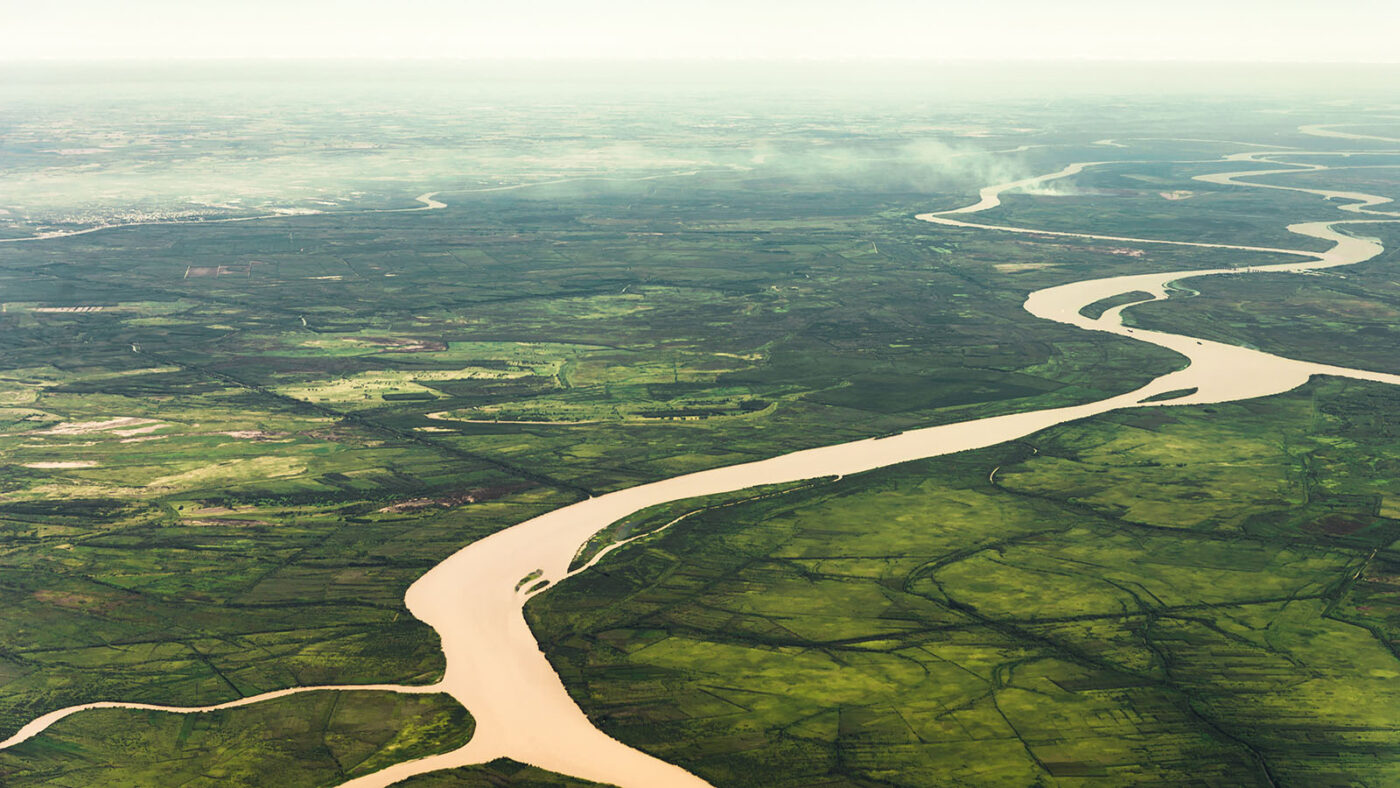
The Huni Kuin are today the largest Indigenous population in the Brazilian state of Acre — approximately sixteen thousand people living across twelve Indigenous lands along the rivers of the region: the Purus, the Envira, the Tarauacá, the Jordão, and the Breu, with related communities across the border in Peru.
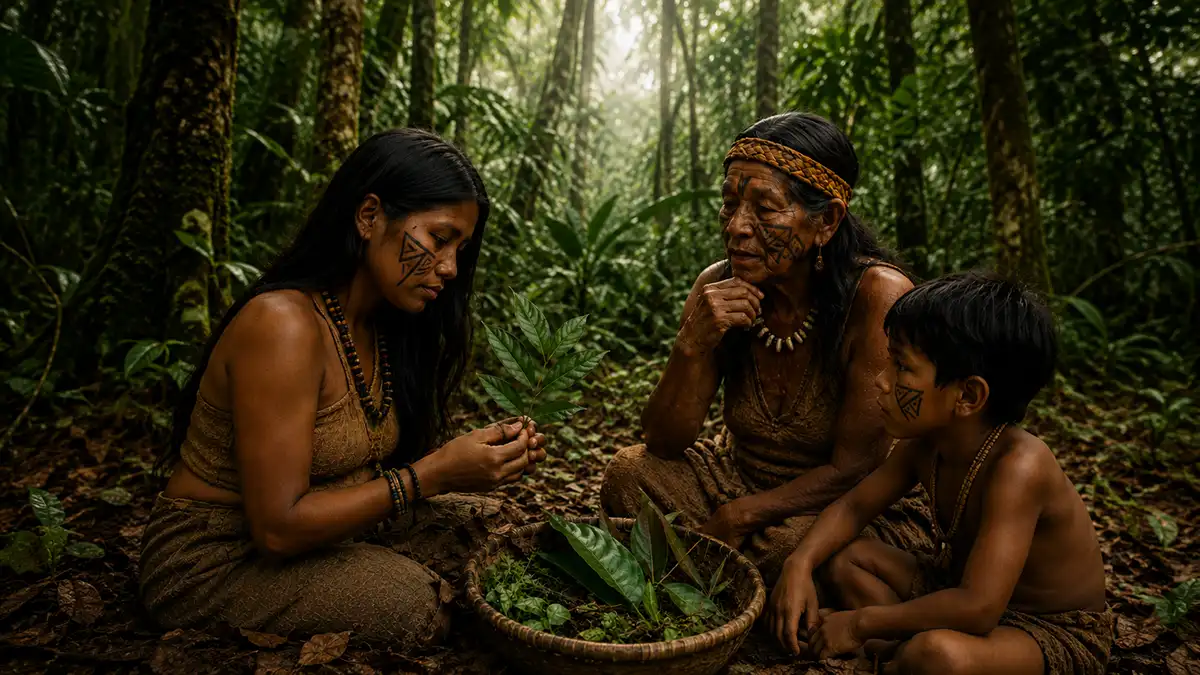
The rainforest is not scenery for the Huni Kuin — it is identity itself. Everything within the forest participates in life: plants, animals, rivers, spirits, songs, dreams, and the cycles of rain and moonlight. Spirituality is not separated from daily existence; it is woven into hunting, planting, healing, storytelling, art, music, and community. To go deeper into their territories and history, read our profile of the Kaxinawá people.
The Philosophy of Txai: “My Other Self”
At the core of Huni Kuin philosophy lies an intrinsic understanding of the sacred bond between humans and the natural world. The forest is not a resource to be exploited but a living being with whom they share an intimate relationship. The trees, rivers, animals, and plants are their teachers.
One of their most profound teachings is the concept of Txai. It reflects a belief in collective responsibility — the idea that we are all each other’s “other self.” In a world increasingly marked by individualism and competition, the Huni Kuin philosophy of shared existence offers an alternative that is radical yet ancient: we thrive when we recognize ourselves in others and act for the good of the whole.
What would happen if we approached the world with this mindset? If we saw others as extensions of ourselves — how would that change the way we treat one another, the planet, and our own inner lives?
A Living Culture: Kene, Song, and Craft
Huni Kuin art is deeply symbolic. The sacred geometric patterns known as kene — received in visions and carried through generations — appear in body painting, weaving, and beadwork, representing the anaconda’s skin, the river’s path, and the energetic pathways of the cosmos.
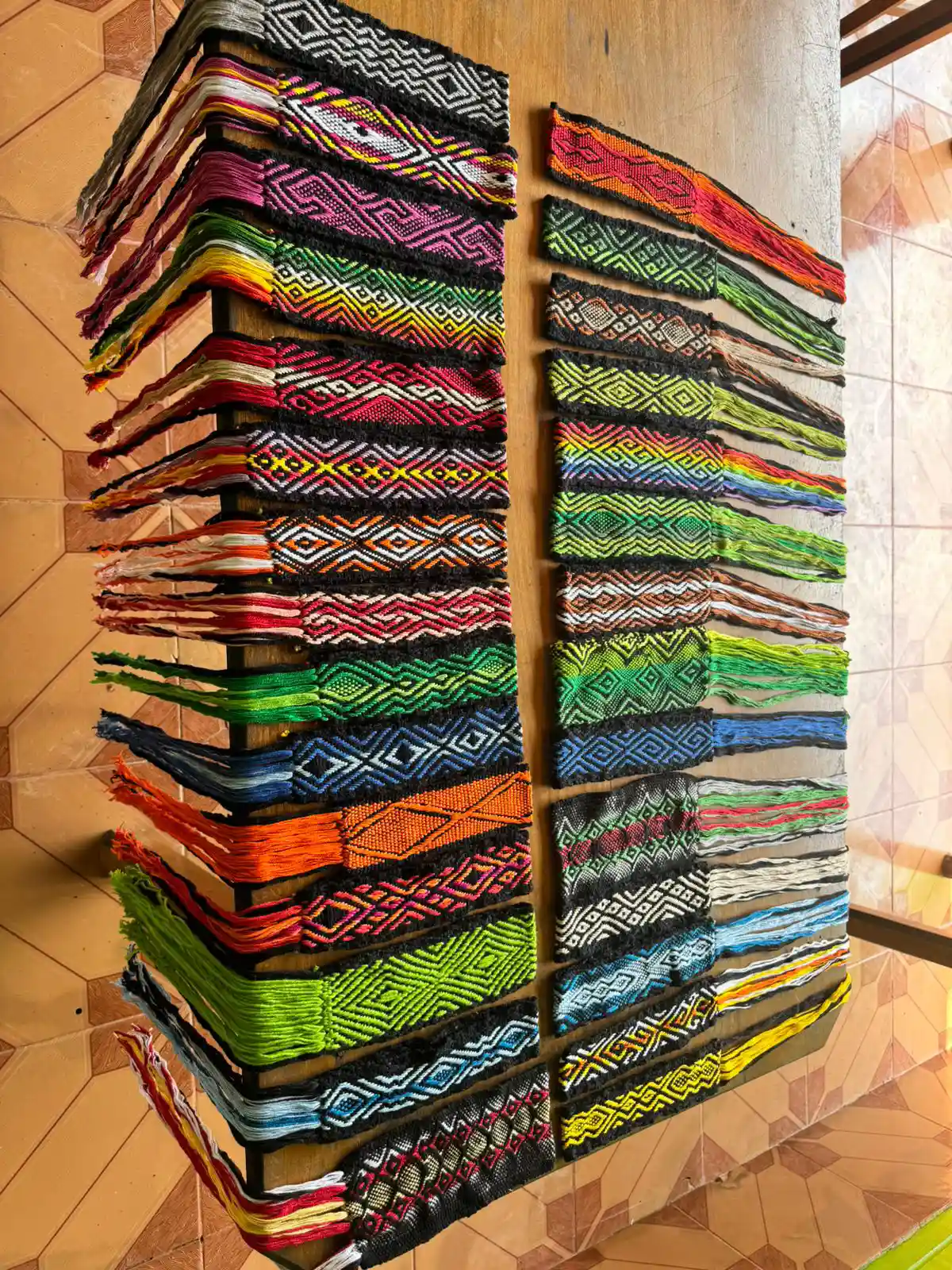
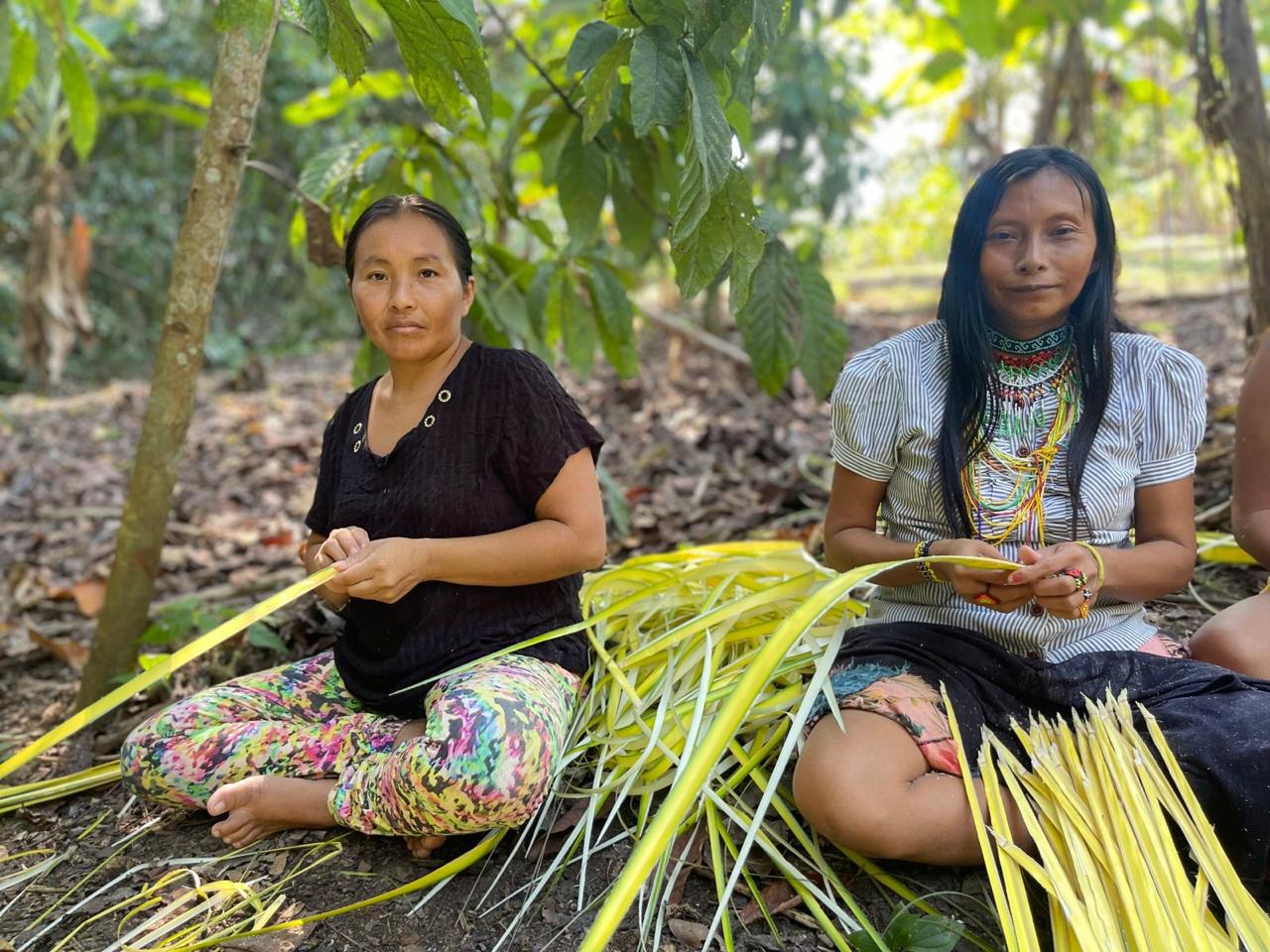
Music and storytelling hold central roles: traditional songs carry spiritual, historical, and healing significance, preserving ancestral memory across generations. The community’s healing knowledge was famously gathered by Huni Kuin pajés themselves in Una Isi Kayawa — the Book of Cure of the Huni Kuin. Organizations such as Survival International have highlighted the importance of protecting the Huni Kuin and the rainforest territories they help preserve.
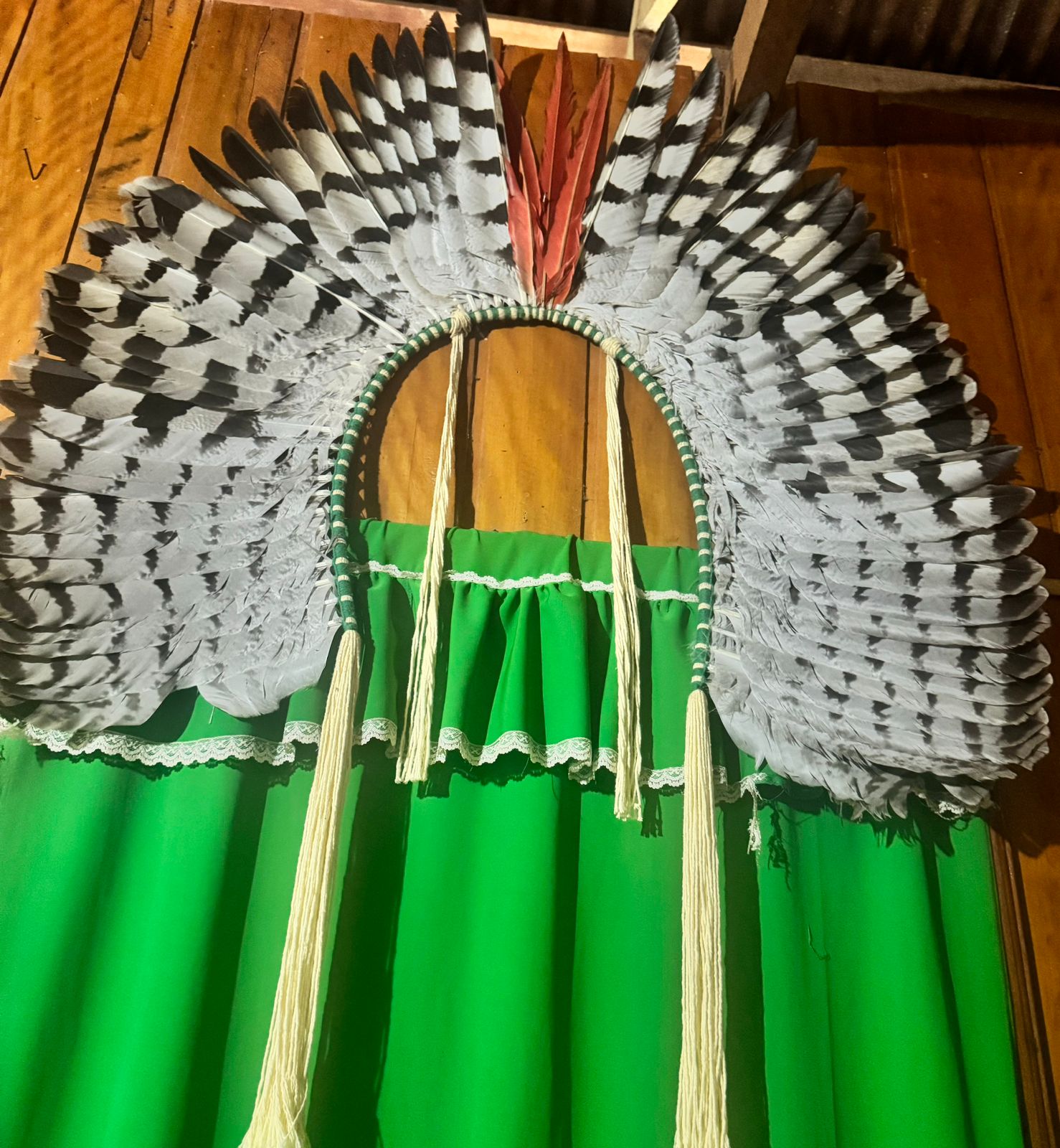
Sacred Medicines of the Forest
The Huni Kuin’s spiritual connection manifests in their daily practices and ceremonies, particularly in the use of sacred medicines such as Ayahuasca and Rapé (Hapeh), along with sananga and kambô. For the Huni Kuin, these are not mere substances but portals to deeper dimensions of consciousness — used for prayer, cleansing, communication with the spirits of the forest, and insight into the mysteries of life.
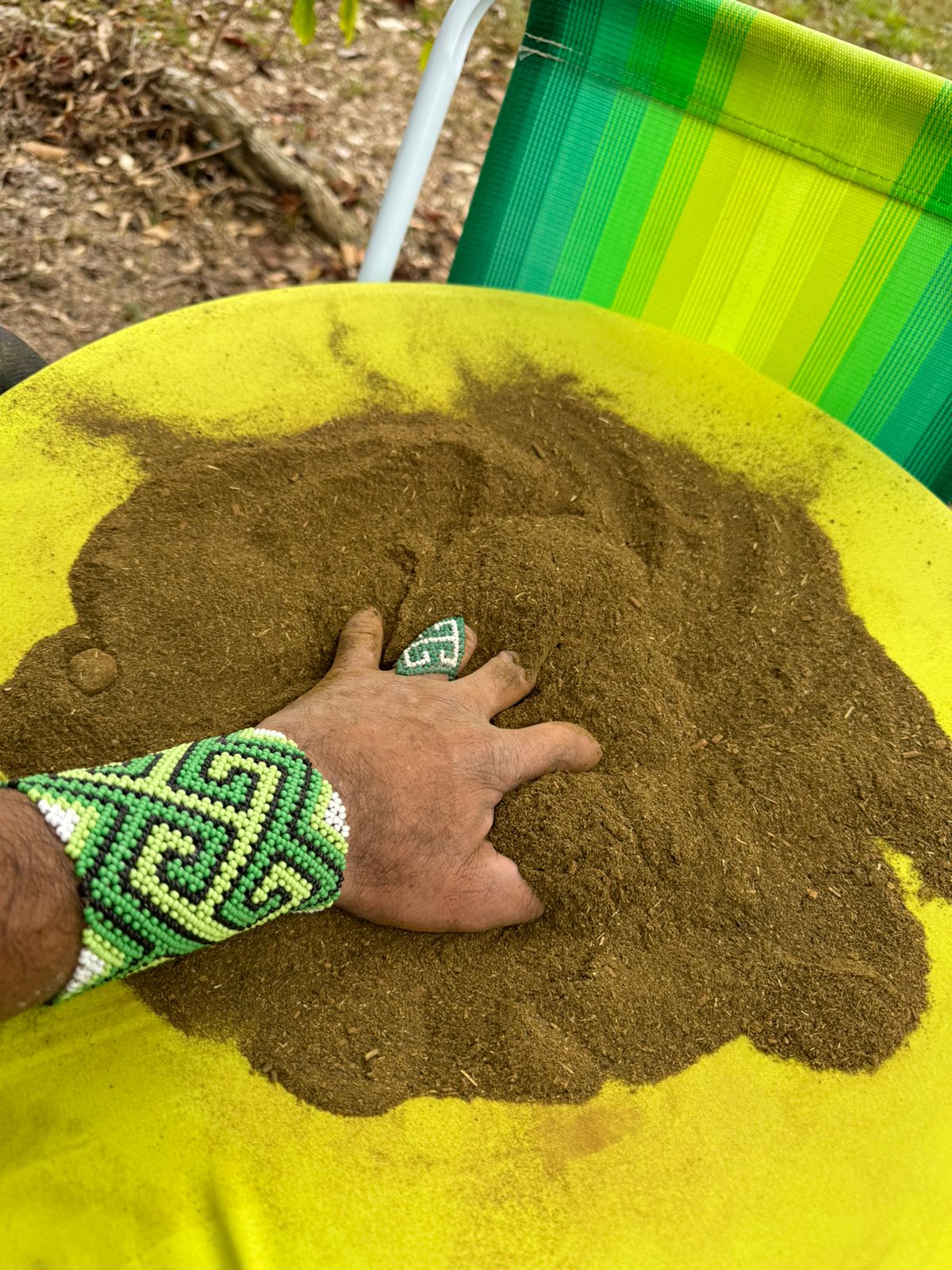
Kaxinawá rapéh blends are prepared in small batches from sacred tobacco and the ashes of teacher trees like Tsunu, each carrying the signature of the hands and the village that made it. You can learn about their origins in our history of rapéh, and about choosing blends respectfully in how to choose hapé responsibly.
Blends we receive directly from Huni Kuin communities include Tsunu Kaxinawá, Caneleiro Kaxinawá, Pau Pereira Kaxinawá, Pariká Kaxinawá, Cacau Tsunu, Cacau, Emburana, Murici, and Iban Huni Kuin Hapé. Every Huni Kuin blend we have in stock right now is below.
Huni Kuin (Kaxinawá) Rapé Blends
-
Murici Rapé (Hapé) – The Gentle One
Price range: $37.00 through $717.00 -
Emburana Rapé (Hapé) – Robust & Aromatic
Price range: $37.00 through $717.00 -
Sale!
Rapé (Hapé) Collection – 10 Blends
Price range: $299.00 through $433.00 -
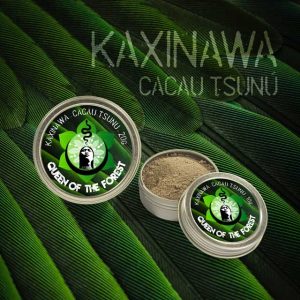
Cacau Tsunu Rapé (Hapé) – Heart & Ground
Price range: $37.00 through $717.00 -
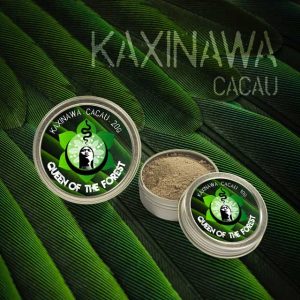
Cacau Rapé (Hapé) – Warm & Heart-Opening
Price range: $37.00 through $277.00 -
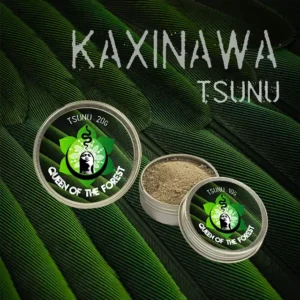
Tsunu Kaxinawá Rapé (Hapé) – Huni Kuin, by Chief Assis
Price range: $37.00 through $717.00 -
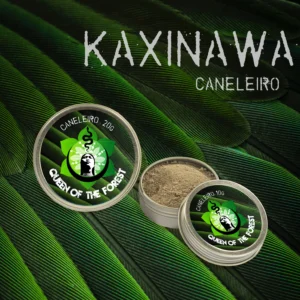
Caneleiro Kaxinawá Rapé (Hapé) – Huni Kuin
Price range: $37.00 through $155.00 -
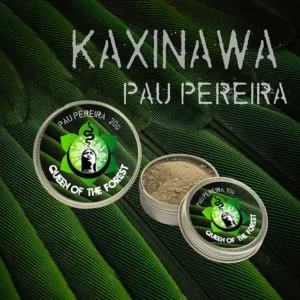
Pau Pereira Kaxinawá Rapé (Hapé) – Huni Kuin, by Chief Assis
Price range: $37.00 through $717.00
Chief Txai Assis Kaxinawá and Aldeia Pinuyá
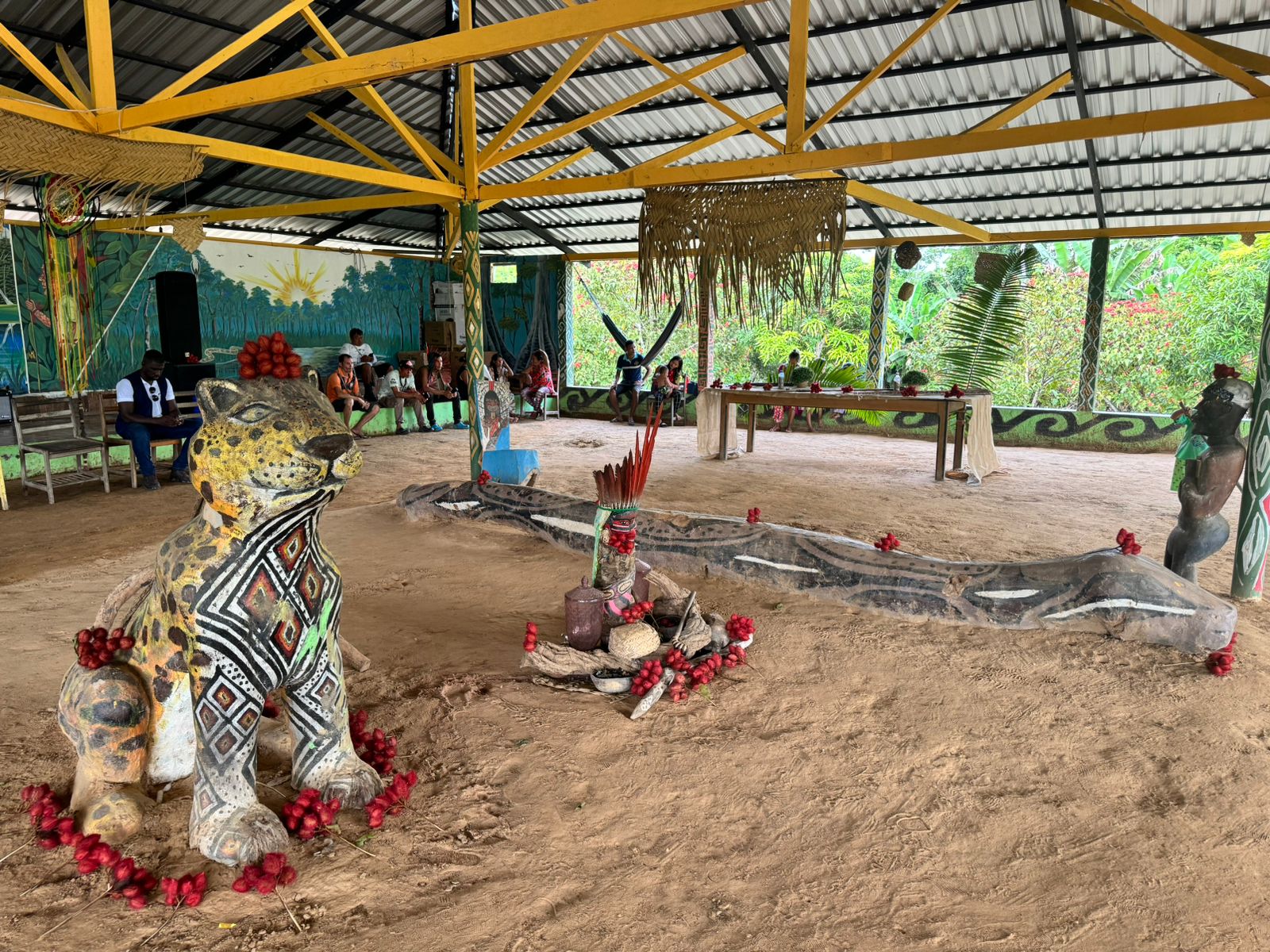
Amid global crises, voices like that of Chief Assis Kaxinawá are more vital than ever. Assis is the chief and general leadership of Aldeia Pinuyá, in the Colônia 27 Indigenous Land a few kilometers from Tarauacá, Acre — one of the smallest Indigenous lands in the northern region, home to 53 families, around 240 people, who live with the forest day by day: hunting, fishing, planting manioc and banana, strengthening their language, crafts, songs, and medicines.
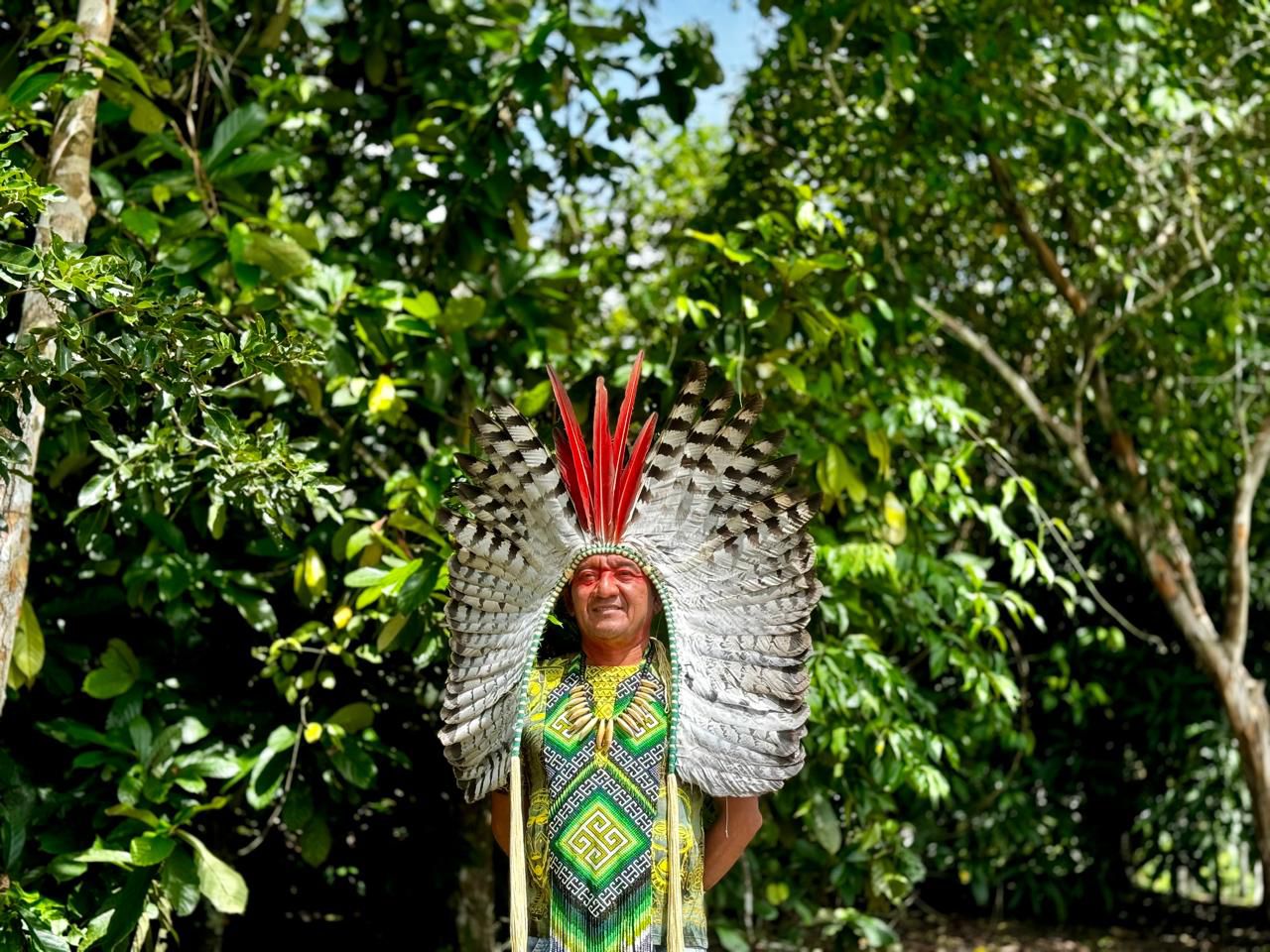
Chief Assis is both a link to the past and a beacon for the future: a spiritual leader with deep knowledge of the forest medicines, and a cultural ambassador building bridges between Indigenous and non-Indigenous worlds. His message is clear: the future of humanity is tied to the future of the Amazon. Protecting the forest is not only an environmental matter — it is a spiritual and existential one. His community reforests its land with hardwoods, palms, and sacred plants, so that what is received from the forest is also returned to it.
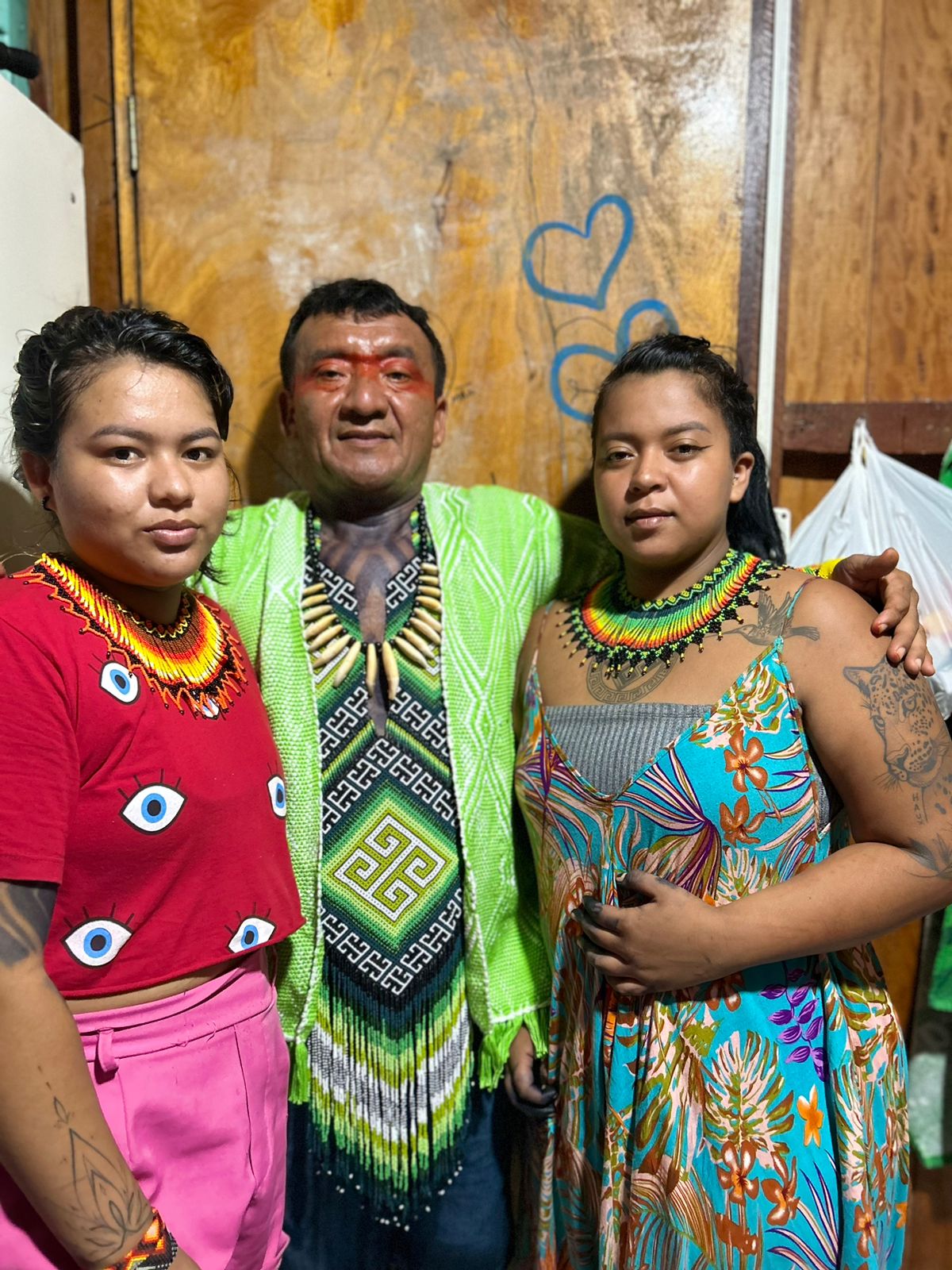
“We know that everything we need is in the forest,” Assis reminds us. Read more about his path in Cacique Assis Kaxinawá — Huni Kuin Culture, or meet the medicine his village prepares: Tsunu Kaxinawá — Huni Kuin.
Respect, Reciprocity, and the Future
As global interest in Indigenous medicines and spirituality grows, so does the risk of exploitation and cultural appropriation. Chief Assis and other Indigenous leaders speak of the importance of approaching these practices with respect, humility, and a willingness to learn from the elders who have guarded this knowledge for centuries.
The rise of “spiritual tourism” and the commodification of sacred medicines threaten the very cultures these practices come from. True healing and connection come not from consumption, but from reverence and reciprocity — knowing where a medicine comes from, honoring the people who prepared it, and ensuring they benefit from the relationship.
Like many Amazonian peoples, the Huni Kuin face ongoing pressures from deforestation, illegal logging, land conflicts, and cultural erosion. The lessons they offer are not passive philosophy; they ask for action. Whether by supporting the protection of the forest, standing in solidarity with Indigenous communities, or simply rethinking our own patterns of consumption, we all have a part to play. To understand how the Huni Kuin’s teachings connect with those of other Amazonian nations, read Indigenous Wisdom: What the Guardians of the Amazon Can Teach a Changing World.
The Huni Kuin are showing us the way. The question is: will we follow?
About the Founder
This page is written by Marcio Purusha, founder of Queen of the Forest, who has walked the Amazonian medicine path since 1988 — through the Santo Daime tradition, thousands of ceremonies around the world, and decades of direct friendship with the communities of the forest, including Chief Assis Kaxinawá and the Huni Kuin people of Aldeia Pinuyá. Read his full story here.
FAQ About the Huni Kuin People
Who are the Huni Kuin people?
The Huni Kuin (Kaxinawá) are an Indigenous people of the Amazon rainforest, the largest Indigenous population of Acre, Brazil, with communities also in Peru — approximately 16,000 people across twelve Indigenous lands.
What does Huni Kuin mean?
“Huni Kuin” translates as “True People” or “Real People” — from huni (person) and kuin (true, real).
Is it Huni Kuin or Kaxinawá?
Both names refer to the same people. Kaxinawá (from kaxi, “bat,” and nawa, “people”) was given by outsiders; Huni Kuin is the people’s own name for themselves, and the one they increasingly prefer.
Why do we say “people” instead of “tribe”?
“Tribe” carries a colonial, reductionist history that portrays Indigenous nations as primitive. Style guides and Indigenous movements recommend people, etnia, Indigenous land, and village — terms that recognize these as living, organized, self-determined nations.
What are the Huni Kuin known for?
Their spiritual traditions, sacred songs, kene geometric art, weaving and beadwork, medicinal plant wisdom — including rapéh, sananga, kambô, and ayahuasca — and their deep philosophy of Txai, “my other self.”
Where do the Huni Kuin live?
Mainly along the Purus, Envira, Tarauacá, Jordão, and Breu rivers in Acre, western Brazil, and across the border in eastern Peru. Chief Assis Kaxinawá’s community, Aldeia Pinuyá, lies in the Colônia 27 Indigenous Land near Tarauacá.
Walk With the Huni Kuin
If you feel called to connect with Huni Kuin traditions through their sacred medicine, meet Tsunu Kaxinawá — the blend made by Chief Assis’s own village, explore Iban Huni Kuin Hapé, or browse our complete Sacred Rapéh collection. To meet the other peoples who keep this tradition alive, visit The Guardians of the Forest.
Every medicine shared through Queen of the Forest is received in direct relationship with the communities that prepare it — reverence and reciprocity, always.
Continue exploring
All stories
The medicines of the forest