The Ashaninka: The Amazon’s Model Guardians Are Asking the World to Stand With Them
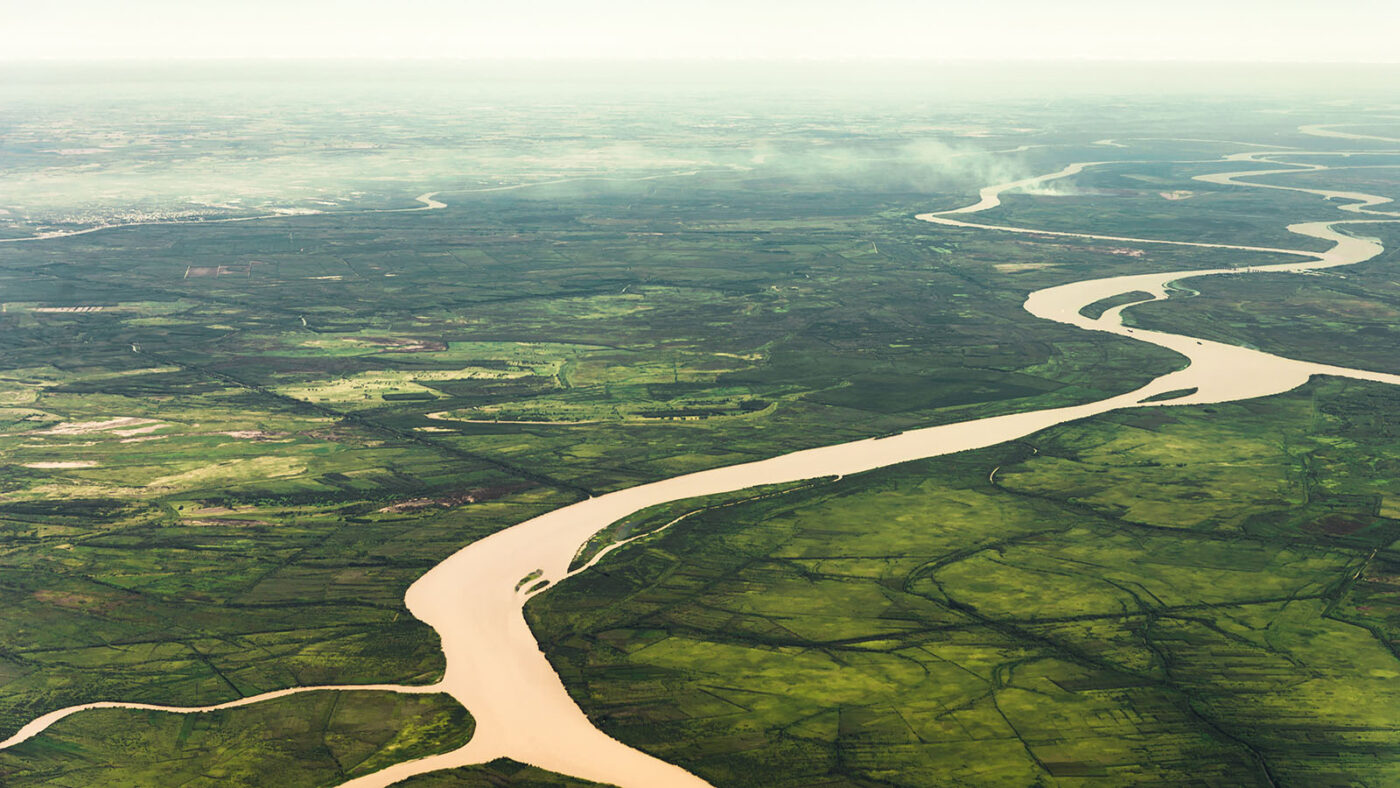
Haux, Forest Family. This week, leaders of the Ashaninka people traveled from their territory on the Brazil–Peru border to meet with Brazilian officials. They came asking for one thing: protection for the land they have defended for thirty years.
If you have ever felt the depth of an Amazonian sacred preparation, you have touched — perhaps without knowing it — the world of peoples like the Ashaninka. Among the respected medicine-making lineages of the forest, the Ashaninka are known for their discipline, their artistry, and their fierce, patient love of their land. Their story deserves to be told, and this week the world’s press finally told part of it.
A territory the world calls a model
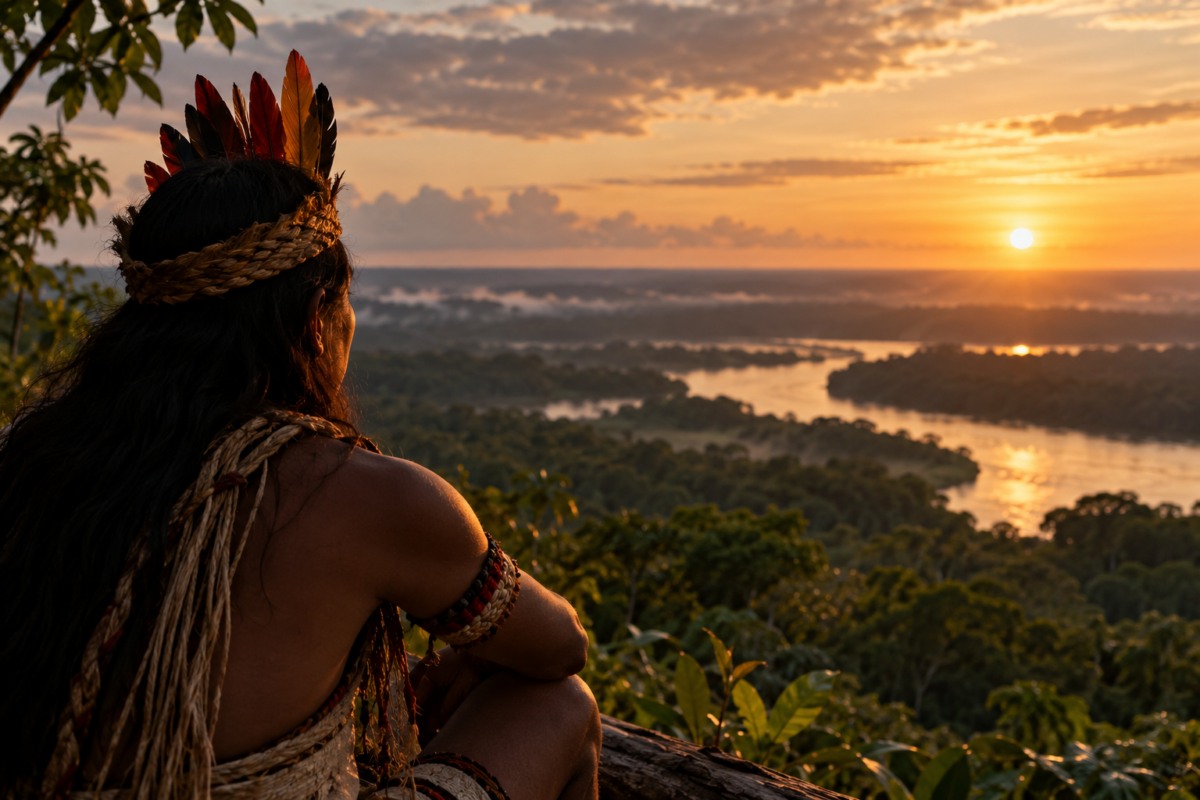
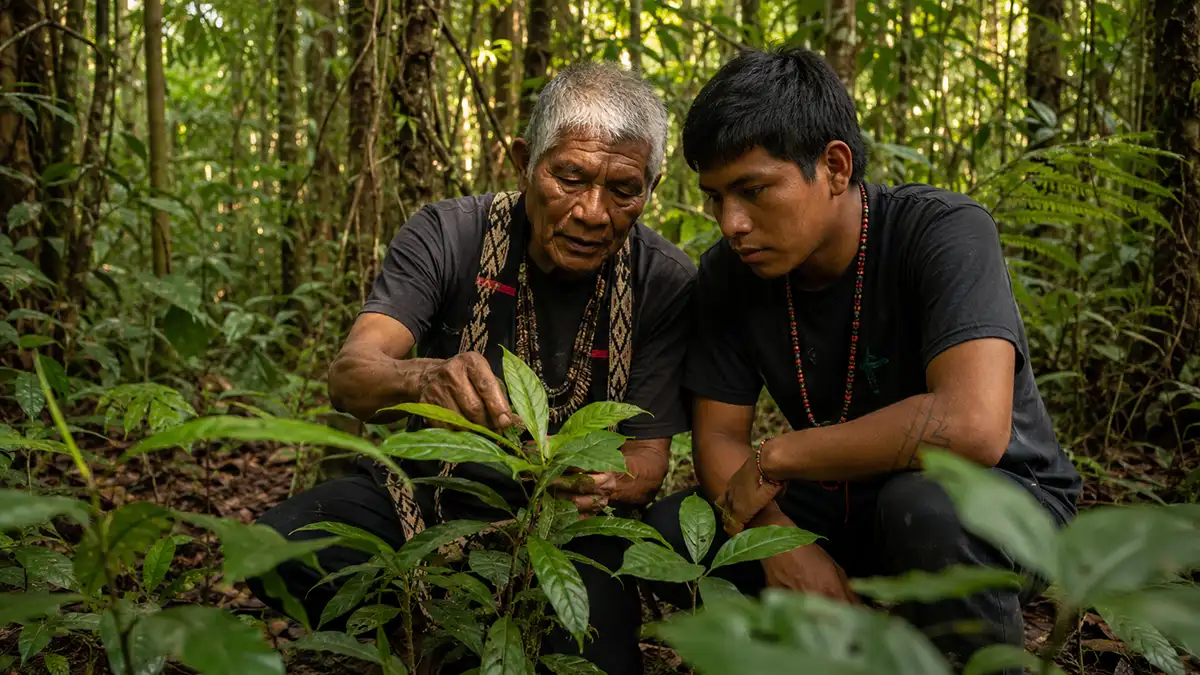
Three decades ago, the Ashaninka of the Amônia River reclaimed their territory from settlers and loggers. What they built since has become internationally recognized as a model of Indigenous stewardship: sustainable cultivation, thriving forest, strong community governance. Where the Ashaninka stand, the forest stands.
This is not romantic myth — it is measurable reality. Indigenous territories are consistently among the best-preserved parts of the Amazon, which is why researchers call demarcation one of the most effective ways to curb deforestation. We explored this deeper pattern in our article on what the guardians of the Amazon can teach a changing world.
The threat they are facing now
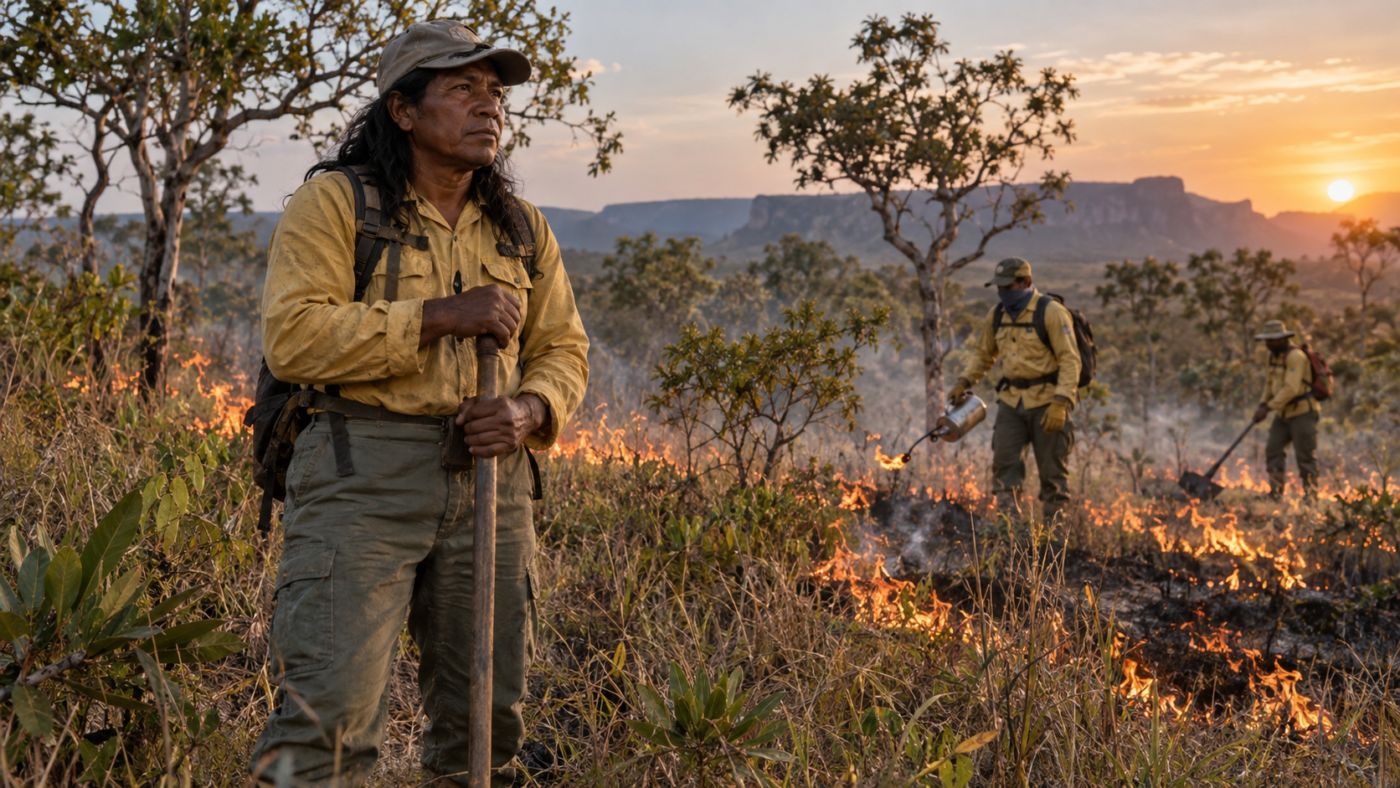
The same rivers that carry canoes and songs are now being used as routes by criminal networks. In early July, armed men entered the nearby Kampa territory searching for community leaders. The Ashaninka have already famously refused to let traffickers build a clandestine airstrip on their land — but courage alone should not be the only shield a forest people has.
Their message to the government was clear: recognition on paper is not enough. Protection must be real, and it must last longer than a news cycle.
Honoring the medicine means honoring the people
In our years of working directly with forest communities, one truth has become the foundation of everything we do: there is no sacred medicine without the people and the land it comes from. Behind every blend is a community, a territory, a story of resistance and care — like the ones we’ve shared about the Shanenawa people and other lesser-known Indigenous nations of the Amazon.
When we speak of respect, intention, and authenticity in relation to rapéh and other traditions, this is what we mean: remembering that these practices are living relationships with living peoples — peoples who are, right now, standing in front of very real dangers to keep their forest whole.
How to stand with them
Learn their story. Share it. Support organizations working for Indigenous land rights and protection in the Amazon. Choose conscious, fair trade that strengthens communities rather than extracting from them. And hold the Ashaninka — and all the forest’s guardians — in your prayers and intentions this week.
The forest has defenders. Let’s make sure they are not defending it alone.
Haux haux. 🙏
Sources: AP via WTOP · AP via ABC News
Continue exploring
All stories
The medicines of the forest