
Discover the intelligence of nature through forest wisdom, Indigenous teachings, ecological balance, and humanity’s forgotten relationship with the living Earth.
The forest knows how to regenerate after destruction. Seeds know when to bloom. Birds know when to migrate. Rivers know where to flow. Nature remembers balance even when humanity forgets it.
Modern civilization often treats intelligence as something exclusively human — something measured through technology, speed, productivity, or information. Yet the deeper people observe the natural world, the more impossible it becomes to ignore the extraordinary intelligence already present throughout life itself.
The intelligence of nature can be seen everywhere. It exists in the geometry of leaves reaching toward sunlight. It exists in fungal networks beneath forests. It exists in the instinctive behavior of animals before storms. It exists in the delicate balance between predators and prey that maintains entire ecosystems.
Nature is not chaotic in the way modern society often imagines. It is relational. Everything participates in something larger than itself.
Intelligence of Nature in the Living Forest
The intelligence of nature is not only biological, ecological, or scientific. It is also relational, symbolic, and spiritual. For countless generations, Indigenous cultures understood that the Earth was never merely a collection of resources to extract endlessly.
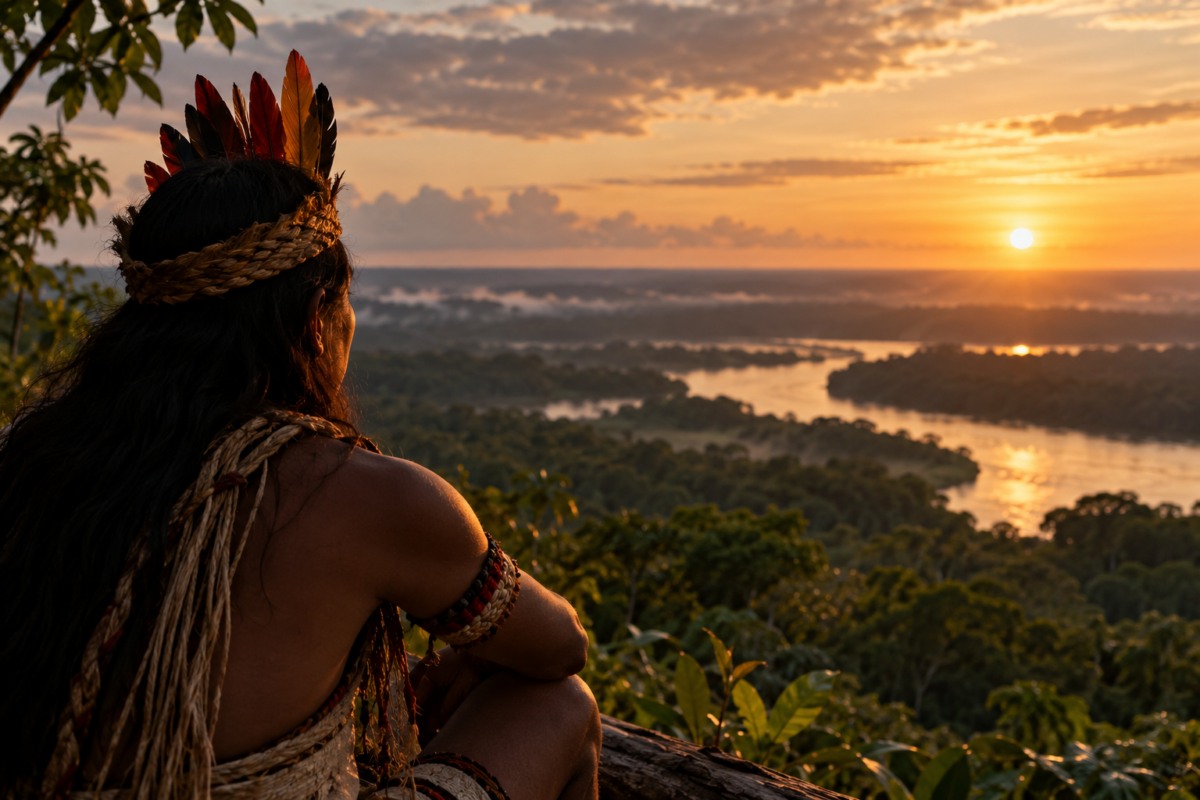
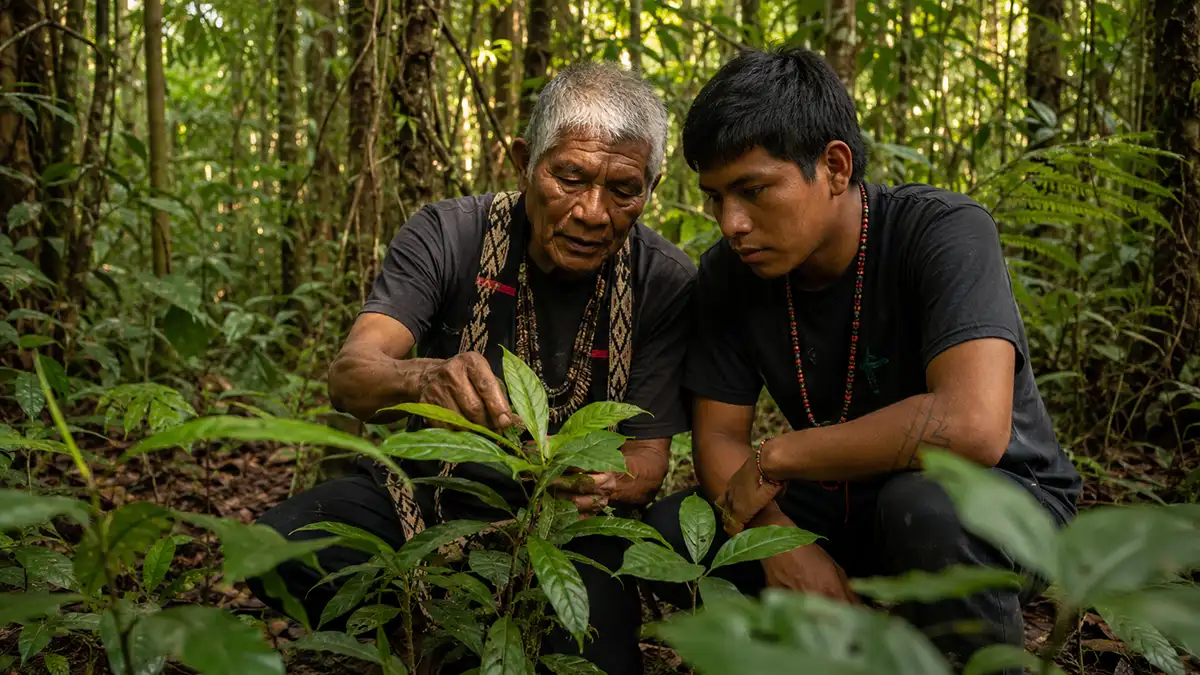
The forest was alive. Rivers possessed spirit. Animals carried wisdom. Plants were teachers. Humanity existed as part of a greater web of life rather than standing above it.
Today, many people feel a growing longing to reconnect with this forgotten relationship. Despite modern comforts and technological advancement, countless individuals experience anxiety, exhaustion, emotional numbness, and disconnection from meaning.
The faster society becomes, the more people seem to crave silence, nature, ritual, simplicity, and grounding.
Perhaps this is because something ancient inside the human spirit still recognizes the intelligence of nature instinctively. The forest may not speak human language, but it has always been teaching.
Nature Does Not Rush, Yet Everything Happens
One of the most profound lessons nature offers is patience.
Modern culture constantly pushes urgency: faster growth, faster success, faster communication, faster consumption, and faster achievement. But the forest operates differently.
Trees grow slowly. Rivers carve mountains gradually. Soil forms over centuries. Ecosystems evolve through balance rather than force. And despite this slower rhythm, nature continuously creates extraordinary complexity, beauty, and resilience.
This reveals an important truth: speed is not always intelligence.
In fact, many of humanity’s current crises stem from moving too quickly without understanding long-term consequences. Forests are cleared faster than they regenerate. Oceans are polluted faster than they recover. Information spreads faster than wisdom develops.
The intelligence of nature reminds us that sustainable growth requires rhythm, adaptation, and reciprocity.
Nothing in the forest consumes endlessly without giving something back. Fallen trees nourish new life. Rain returns to the sky. Animals participate in cycles that maintain ecological balance. Even death itself becomes part of regeneration.
The intelligence of nature is circular, not linear. And perhaps modern humanity suffers partly because it has forgotten how to live within cycles.
The Forest as a Living Network
For a long time, people imagined trees as isolated organisms competing against one another for survival. Modern research increasingly reveals something very different.
Forests behave more like interconnected communities.
Through underground fungal networks sometimes called the “wood wide web,” trees exchange nutrients, share warnings about threats, and even support weaker or younger trees nearby. What appears externally as individual life often functions internally as cooperation.
For broader ecological context, the National Geographic explains how forests support biodiversity, climate balance, and life across the planet.
This changes the way we see intelligence itself. Nature does not always prioritize domination. Often it prioritizes relationship.
The intelligence of nature teaches collaboration without centralized control. Ecosystems self-organize through countless subtle interactions occurring simultaneously.
There is humility in recognizing this. Humanity may be technologically advanced, yet nature still sustains every breath, every drop of water, every piece of food, and every climate system necessary for civilization itself.
What Indigenous Wisdom Still Remembers About the Intelligence of Nature
Many Indigenous traditions across the world have long viewed nature as sacred not because of romantic fantasy, but because of direct relationship and observation.
People living close to forests, rivers, mountains, and animals developed deep understanding of ecological balance through generations of lived experience. Survival depended upon listening carefully to the natural world.
This created a very different worldview from the modern industrial mindset.
Instead of asking, “How can nature serve us?” many ancestral cultures asked, “How can we remain in balance with life?”
The difference is enormous.
The intelligence of nature becomes clearer when humans stop seeing themselves as owners of the Earth and begin recognizing themselves as participants within it.
Many ceremonial traditions reflect this understanding through gratitude, prayer, intentional harvesting, and respect toward plants, animals, and ecosystems. The purpose is not merely spiritual symbolism. These practices reinforce awareness of relationship and responsibility.
Modern society often forgets this interconnectedness because technology creates the illusion of separation from natural systems. Food appears in supermarkets disconnected from soil. Water flows from pipes disconnected from rivers. Electricity arrives through walls disconnected from ecosystems.
Yet beneath these conveniences, humanity remains completely dependent upon the living Earth.
Nature and Human Consciousness
There is growing recognition that spending time in nature profoundly affects mental and emotional well-being.
People often report feeling calmer, clearer, more emotionally balanced, and spiritually connected after spending time outdoors. Forest walks, ocean air, mountains, rivers, and gardens frequently create noticeable shifts in mood and awareness.
This is not accidental.
Humans evolved within natural environments for nearly all of history. The nervous system developed in relationship with birdsong, flowing water, wind, sunlight, and natural cycles. Artificial environments filled with constant stimulation are extremely recent in comparison.
The intelligence of nature influences consciousness directly. Sunlight regulates sleep cycles. Fresh air affects mental clarity. Natural sounds calm the nervous system. Trees influence humidity and temperature. The Earth itself provides grounding rhythms modern environments often lack.
Many people rediscover this connection through meditation, silence, retreats, nature immersion, ceremonial practices, or simply spending intentional time outdoors without distraction.
The forest slows perception enough for awareness to deepen. And when awareness deepens, life begins feeling different.
The Illusion of Human Superiority
Modern civilization often behaves as though humanity exists outside the laws of nature. Yet every ecological crisis demonstrates otherwise.
Climate instability, deforestation, polluted oceans, collapsing biodiversity, and soil degradation all reveal the consequences of forgetting relationship with the Earth.
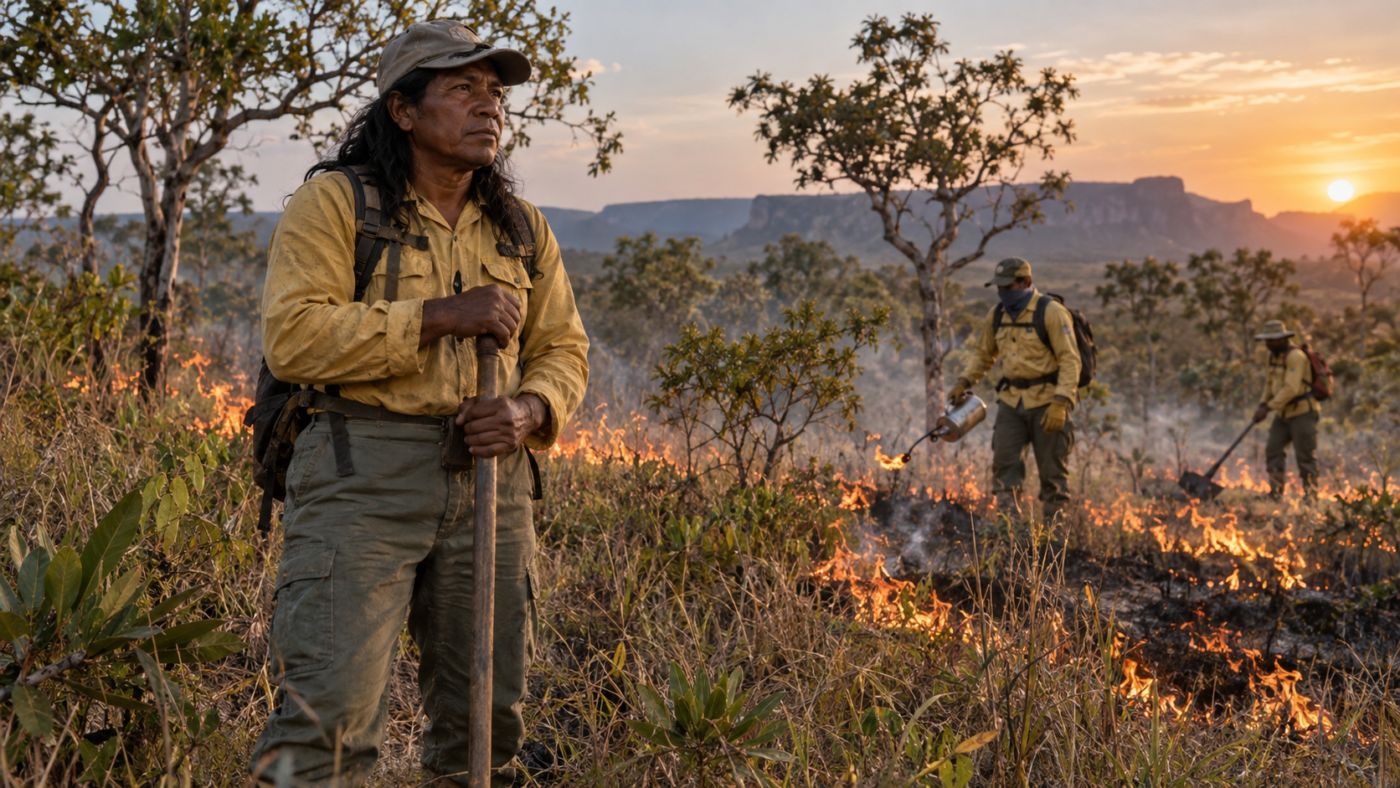
Nature is extraordinarily intelligent, but it also responds to imbalance. A forest can regenerate after fire, but continuous destruction eventually overwhelms natural resilience.
The intelligence of nature includes adaptation, but not infinite tolerance.
This realization is increasingly important today. Many people feel growing concern about the future because they intuitively recognize that humanity’s relationship with the Earth has become dangerously disconnected.
Yet alongside this concern, there is also hope. Around the world, more people are seeking regenerative approaches: reforestation, ecological farming, holistic wellness, traditional knowledge, plant medicine education, nature-based spirituality, sustainable living, and conscious consumption.
The desire to reconnect with nature reflects something deeper than environmental activism alone. It reflects spiritual remembrance.
What Nature Teaches About Balance
One of the greatest teachings within the intelligence of nature is balance.
The forest contains both growth and decay. Predators and prey. Rain and drought. Silence and sound. Nature does not eliminate opposites. It integrates them into dynamic equilibrium.
Modern society often struggles with this understanding. People are taught to seek permanent comfort, permanent certainty, and permanent control. Yet life itself constantly changes.
The forest accepts change naturally. Leaves fall. Seasons shift. Storms arrive. New growth emerges. Nothing remains static.
This perspective can transform how humans relate to their own lives. Emotional difficulty, uncertainty, and transition are not necessarily signs of failure. They may simply reflect natural cycles of transformation.
The intelligence of nature teaches resilience through adaptability rather than rigidity. Trees bend with wind. Water changes form. Ecosystems evolve. Life survives through movement.
Relearning How to Listen to Nature
Perhaps the greatest tragedy of modern life is not merely environmental destruction, but the loss of deep listening.
People are surrounded constantly by noise: notifications, media, advertising, stress, opinions, and information. Silence has become rare.
Yet nature communicates quietly.
The movement of clouds before rain. Birds becoming silent before storms. Changes in wind direction. The smell of soil after water. The behavior of animals. The rhythm of seasons.
The intelligence of nature reveals itself through attention.
Many spiritual traditions emphasize silence, observation, meditation, prayer, or ceremonial practices precisely because they help restore sensitivity to subtle perception.
The forest cannot be understood through speed alone. It must be experienced. And once people begin listening again, they often realize nature has been teaching continuously all along.
The Future May Depend on Remembering
Humanity stands at an unusual moment in history.
Technology has granted extraordinary power, yet emotional, ecological, and spiritual crises continue expanding globally. People are more connected digitally than ever before while often feeling increasingly disconnected internally.
Perhaps the next stage of human evolution is not simply technological advancement. Perhaps it involves remembering relationship.
The intelligence of nature offers a different model for civilization: cooperation instead of endless competition, balance instead of excess, regeneration instead of depletion, and interdependence instead of isolation.
This does not require rejecting modern life entirely. It requires integrating wisdom with progress.
The forest demonstrates that intelligence is not domination. True intelligence sustains life. And maybe humanity’s future depends upon learning this before it is too late.
Continue Walking with the Wisdom of the Forest
At Queen of the Forest, we honor the living Earth, Indigenous wisdom, sacred traditions, and the deep relationship between humanity and nature.
Explore our educational guides, sacred tools, and rainforest-inspired offerings created for those walking a path of ceremony, respect, and reconnection.
What is the intelligence of nature?
The intelligence of nature refers to the complex wisdom, balance, adaptability, and interconnected systems found throughout ecosystems, plants, animals, forests, rivers, and natural cycles.
Why do many cultures consider nature sacred?
Many ancestral traditions recognize that humans depend entirely on the Earth for survival and view nature as alive, interconnected, and spiritually meaningful rather than merely material.
How does nature affect mental health?
Spending time in natural environments can reduce stress, improve mood, regulate the nervous system, increase clarity, and create emotional grounding.
What can humanity learn from the intelligence of nature?
Humanity can learn balance, patience, adaptability, cooperation, resilience, reciprocity, and the importance of living in relationship rather than separation.
Why are forests important spiritually?
Forests often create deep feelings of connection, silence, reflection, and awe. Many traditions see forests as places of healing, wisdom, ceremony, and spiritual renewal.
The intelligence of nature does not seek domination. It seeks balance. It creates through relationship. It sustains through reciprocity. It adapts through patience.
And perhaps somewhere beneath the noise of modern civilization, humanity still remembers how to listen.
Because every person who feels peace beneath trees, every person moved by mountains, every person who breathes deeply near the ocean, and every person who feels emotionally restored after time in nature is responding to something ancient.
The forest is not separate from us.
It never was.