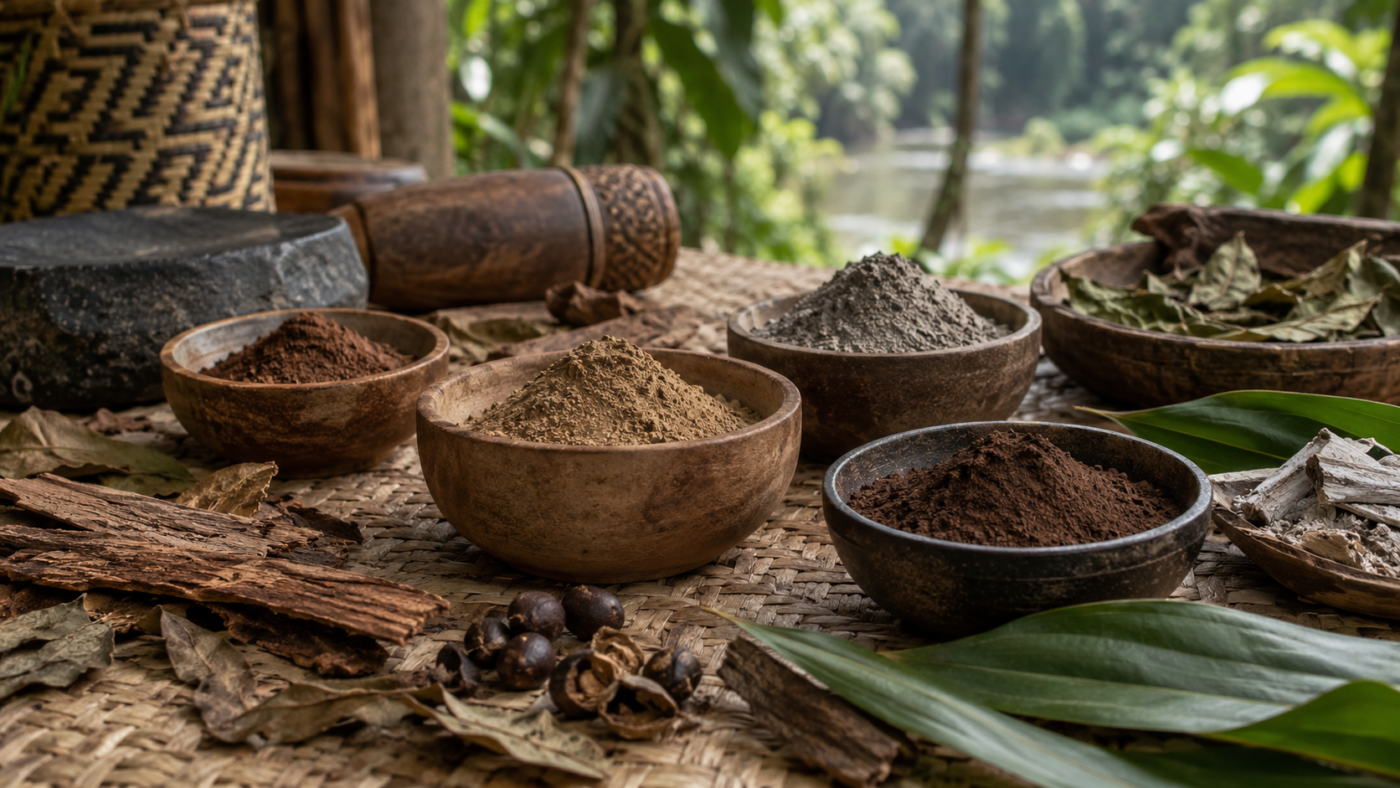

Nighttime Hapé (Rapé): How This Sacred Medicine Supports Deep Sleep & Dreams
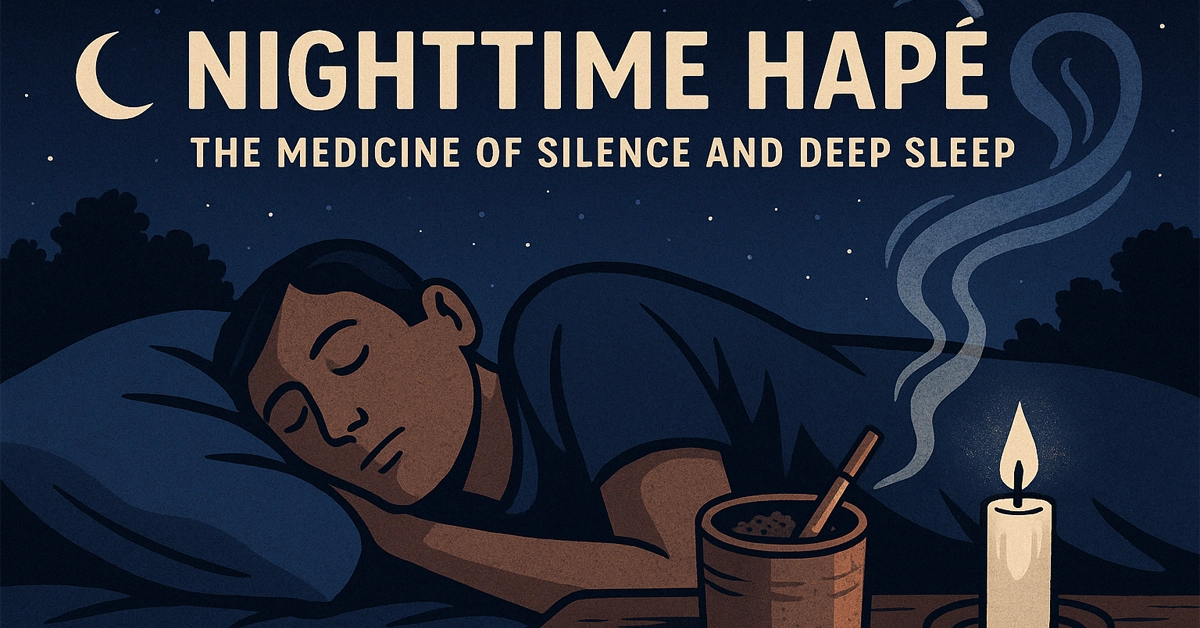
Understanding Hapé Medicine: The Sacred Snuff for Sleep, Dreams & Deep Healing
Hapé (also spelled hape, hape snuff, or hapé medicine) is a sacred Amazonian plant snuff used in Indigenous ceremony for grounding, clarity, and connection.
Nighttime hapé is a unique way of working with this sacred medicine, supporting deep sleep, silence, and connection to the dream world.
Used with intention, it can help quiet the mind, release tension, and prepare the body for profound rest.
Looking for hapé to work with? Shop our hapé (rapé) for sale, prepared in small batches by the Indigenous families who make it and shipped from the USA.
The Night as a Portal
As the sun sets and the world quiets, the night opens a sacred space — not just for rest, but for healing, reflection, and deeper spiritual connection. While many turn to tea, breathwork, or guided meditations to unwind, a growing number of seekers are discovering the gentle yet powerful medicine of hapé (also spelled rapé) as a nighttime ally.
Hapé, the sacred Shamanic Snuff of the Indigenous peoples of the Amazon, is more than a physical plant blend — it is a spiritual tool, a messenger, a cleanser. Traditionally used in ceremonies, prayer, and daily rituals, hapé helps silence the mind, align the energy body, and reconnect us to the Earth.
When used with respect and intention in the evening, hapé becomes a medicine of silence — easing the transition into sleep, opening the gates of lucid dreaming, and clearing stagnant energies that may otherwise disturb our rest. This article explores the spiritual and energetic dimensions of nighttime hapé use, and how it can support a deeper, more conscious relationship with the sacred hours of the night.
What Is Hape Snuff? Hapé Medicine Explained
Hapé (pronounced ha-PAY or ra-PAY) is a fine powder made from mapacho (Nicotiana rustica), a sacred plant of the forest, combined with other medicinal plants, ashes, and seeds, depending on the tradition and intention of the blend.
It is administered through the nose using a kuripe (self-applicator) or a tepi (for serving others), and its effects are almost immediate — grounding, clarifying, and often intensely purifying. Indigenous tribes such as the Huni Kuin, Yawanawa, and Katukina use hapé for prayer, protection, focus, healing, and connection with spirit.
At night, hapé can be a powerful support for letting go of the noise of the day, quieting the mental chatter, and entering a sacred state of inner stillness.
New to this medicine? Our complete guide explains what hapé (rapé) is, how it is prepared, and how the Amazonian tribes have used it for generations.
Browse our authentic hape medicine collection →
Why Use Hapé Before Sleep?
1. To Quiet the Mind
Modern life rarely allows for true silence. Screens, stress, and stimulation flood our minds until the moment our heads hit the pillow — and even then, many find it difficult to stop thinking. Hapé clears the mental fog and brings us into a space of inner listening.
The grounding properties of mapacho, especially when combined with calming plants like Tsunu, Yarumo, or Passiflora, act on the energy field like a spiritual broom, sweeping away the static and tension accumulated during the day.
2. To Cleanse the Energy Body
Sleep is a vulnerable time. The energetic body opens to different frequencies, dreams, and even astral journeys. Using hapé as a pre-sleep ritual helps cleanse the auric field, release psychic debris, and protect the subtle body.
Tribes often say that hapé “calls the spirit back” — realigning our soul and body so we are whole and protected before sleep. This practice can be especially useful after emotionally charged days, energetic exchanges, or time spent in urban environments.
3. To Deepen Meditation and Prayer
Hapé enhances presence. When used intentionally in the evening, it turns routine into ritual. The simple act of lighting a candle, blowing the pipe, and sitting in silence for 10–20 minutes becomes a sacred offering — a devotion to Spirit, and to the deeper Self.
Combining hapé with nighttime meditation allows you to enter deeper brainwave states, such as theta, more quickly. It is also a beautiful companion to journaling, breathwork, or mantric repetition before bed.
Nighttime Hapé and Lucid Dreaming
Lucid dreaming — the ability to be conscious within a dream — has fascinated mystics and psychologists alike. Many Indigenous and shamanic cultures view dreams as portals to other realms, and night as a time of spiritual learning.
Using hapé before bed may support:
- Dream recall: By grounding the body and opening the intuitive centers, hapé may help bring clarity and memory to the dream experience.
- Lucidity: Some users report an increase in lucidity or awareness within dreams, especially when combined with intention-setting and dream journaling.
- Spiritual downloads: Dreams may become more vivid, symbolic, or healing. Some even describe receiving messages from spirit guides or ancestors more clearly after nighttime hapé rituals.
Blends that may support dreaming include those with Yawanawa Tsunu, Kaxinawá Nixipae, or specific feminine energies like Apurinã or Cacau blends.
How to Create a Nighttime Hapé Ritual
Like any sacred medicine, hapé responds to intention. A nighttime ritual can be simple, but it should be done with reverence and clarity. Here’s a suggested guide:
✦ Step 1: Prepare Your Space
- Dim the lights. Light a candle. Burn some incense or palo santo.
- Sit comfortably, ideally cross-legged or grounded.
- Have your kuripe and hapé ready. Take a moment to connect with the medicine and express your intention.
✦ Step 2: State Your Intention
- Example: “I ask this sacred hapé to cleanse my energy, quiet my mind, and prepare me for deep rest and clear dreams.”
- Feel it in your heart. Whisper it if you like. Intention directs the experience.
✦ Step 3: Apply the Hapé
- Administer a gentle dose to each nostril using your kuripe.
- Sit in stillness. Let it work. Allow the sensations — tingling, pressure, tears — to move through you. Breathe deeply.
✦ Step 4: Meditate or Journal
- Remain seated in meditation for 10–20 minutes.
- Alternatively, write a few lines in a journal: things you’re letting go of, your dreams, your gratitude.
- Close the ritual with a prayer or breath.
✦ Step 5: Rest
- Lie down in silence or with soft music. Allow yourself to drift off naturally.
- In the morning, take a moment to recall any dreams or sensations.
Which Blends Are Best for Nighttime?
Not all hapé blends are ideal before sleep. Some are energizing, opening the third eye or activating the warrior within — great for daytime prayer or ceremonies, but not for restful sleep.
Here are some recommended blends for evening use:
| Blend Name | Tribe | Energetic Quality | Good For… |
| Tsunu | Yawanawá | Grounding, calming | Mind quieting, body relaxation |
| Murici | Huni Kuin | Soothing, earthy | Energetic cleansing |
| Cacau Feminino | Various | Heart-opening, softening | Dreaming, feminine energy |
| Nixipae | Kaxinawá | Visionary, protective | Dream clarity, spiritual insight |
| Apurinã | Apurinã | Subtle, moonlike | Yin energy, deep rest |
Note: Always start with small doses when testing a blend for nighttime use.
Ready to choose your evening companion? You can buy rapé snuff here — every grounding and dream-supporting blend we offer, in one collection.
Common Experiences and Sensations
Using hapé before bed often leads to:
- A sense of stillness and groundedness
- Emotional release (sometimes tears or deep sighs)
- Energetic downloads or “knowing”
- Vibrational cleansing of the mind and aura
- Gentle drift into sleep, often without racing thoughts
It is common to feel heat in the body or see colors behind closed eyes. Some may feel a deep hum or “presence” around them — a sign that the medicine is doing its work.
For a fuller picture of what hapé feels like, how long it lasts and who should avoid it, read our guide to hapé effects and side effects.
Cautions and Considerations
Although hapé is natural and deeply sacred, it is not without power. It should be used with care, especially at night when your energetic field is open.
- Don’t overdo it. A small dose is often enough for nighttime use. Too much may overstimulate or cause nausea.
- Avoid intense blends. Blends meant for spiritual warfare, deep purge, or powerful masculine energy are not ideal before sleep.
- Don’t mix with stimulants. Avoid caffeine or other activating substances.
- Honor integration. Sometimes the medicine may stir emotions or dreams that require reflection the next day. Don’t rush into activity right after using it.
If you are new to hapé, consider starting your practice with a guide, or reading deeply about the traditions behind it.
The Spiritual Significance of Sleep
In many Indigenous cosmologies, the night is a realm of its own — ruled by spirits, ancestors, and beings of wisdom. To go to sleep is not simply to “turn off” — it is to enter another world. The better prepared we are, energetically and spiritually, the more gracefully we can travel.
Hapé, when used with intention, becomes a key to that portal. It is a protector, a purifier, and a partner for the soul’s nightly journey. Some even say it brings the dreams of the forest into your room — dreams that whisper of healing, wholeness, and return.
To use hapé at night is to choose stillness over stimulation, spirit over noise. It is to say: “I trust the darkness. I honor the mystery. I am ready to listen.”
In a world that glorifies productivity, choosing to close the day with sacred ritual is revolutionary. Hapé becomes more than a plant — it becomes a companion, a reminder that even the night holds light, even silence has music.
So tonight, as the stars emerge and the forest sleeps, take a moment to sit with this medicine. Let it meet you where words cannot. Let it prepare you for sacred rest.
Nighttime Hapé FAQs
Can hapé help with sleep?
Some people use hapé at night to calm the mind and prepare for deep rest, especially when used with intention in a quiet environment.
Grounding blends such as Tsunu hapé are often chosen for nighttime use due to their calming properties.
Is it safe to use hapé before bed?
Hapé should be used with awareness and intention. Some blends may be stimulating, while others can support grounding and relaxation.
What is the best hapé for nighttime use?
Grounding blends such as Tsunu are often chosen for nighttime use due to their calming and centering properties.
Does hapé affect dreams?
Some people report more vivid dreams or deeper rest when using hapé at night, depending on the blend and intention.
[ux_products cat=”145″]
Continue exploring
All stories
The medicines of the forest