
Eskawatã Kayawã: A Huni Kuin Chant, Words and Meaning
“Eskawatã Kayawã” is a chant of the Huni Kuin (Kaxinawá) people of Acre, in the Brazilian Amazon. It is sung in their ceremonies and, more and more, in circles around the world. This recording by Carlos Caruso has been played more than 237,000 times on SoundCloud.
Where the chant comes from
The words are in the Huni Kuin language. The name is often translated as “transformation”, and it matters enough to the Huni Kuin that they gave it to their own festival: the Festival Huni Kuin Eskawatã Kayawai, held in the villages of Acre, where these songs are sung together.
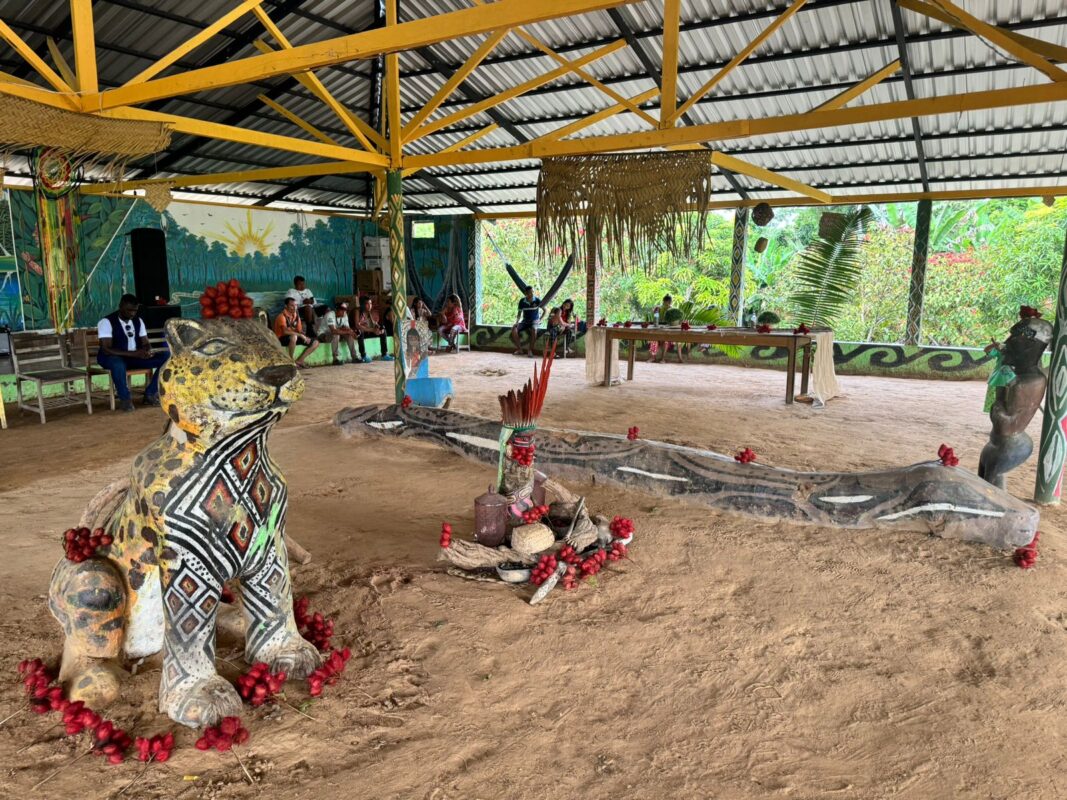
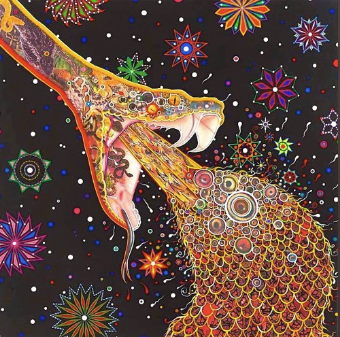
The chant calls on the jiboia, the boa, which holds a central place in Huni Kuin stories as a teacher of the forest medicines. In ceremony, people often dance to it in a long line that winds around the space like a snake.
The words
Yubu manaê bubu manaê bubu butã Eskawatã kayawê Eskawatã kayawê, Eskawatã kayawê, Eskawatã kayawê, Kaiawa ekê ekê Yubudê ee bubu eeee bubu butã eskawatã kayawe Eskawatã kayawê, Eskawatã kayawê, Eskawatã kayawê, Kaiawa ekê ekê Yububaryê bubu, baryê bubu butã eskawakã kayawê Eskawatã kayawê, Eskawatã kayawê, Eskawatã kayawê, Kaiawa ekê ekê Yubudê bae bubu, eboyê bubu butã eskawatã kaiawê Eskawatã kayawê, Eskawatã kayawê, Eskawatã kayawê, Kaiawa ekê ekê Yububu shaê bubu bushayê bubu butã eskawatã kaiawê Eskawatã kayawê, Eskawatã kayawê, Eskawatã kayawê, Kaiawa ekê ekê Yubudê shaê bubu bishiê bubu butã eskawatã kaiawê Eskawatã kayawê, Eskawatã kayawê, Eskawatã kayawê, Kaiawa ekê ekê Bubushenaê bubu shenaê bubu butã eskawatã kayawê Eskawatã kayawê, Eskawatã kayawê, Eskawatã kayawê, Kaiawa ekê ekê Weaky ee olô yubukê aeolô yubutate tawatê eskawatã kaiawê Eskawatã kayawê, Eskawatã kayawê, Eskawatã kayawê, Kaiawa ekê ekê Mamãe Jibóia Traz a tua força aqui Eskawatã kayawê, Eskawatã kayawê, Eskawatã kayawê, Kaiawa ekê ekê
The last lines are in Portuguese: “Mamãe Jibóia, traz a tua força aqui”, which means “Mother Boa, bring your strength here”.
How to listen
This is a chant to move with. Stand if you can, let your body sway, and join the chorus when it comes back: Eskawatã kayawê. It repeats many times, and by the third round you will have it.
Continue
Continue exploring
All stories
The medicines of the forest