Jane Fonda Advocates for Ecuador’s Rainforest and Indigenous Rights
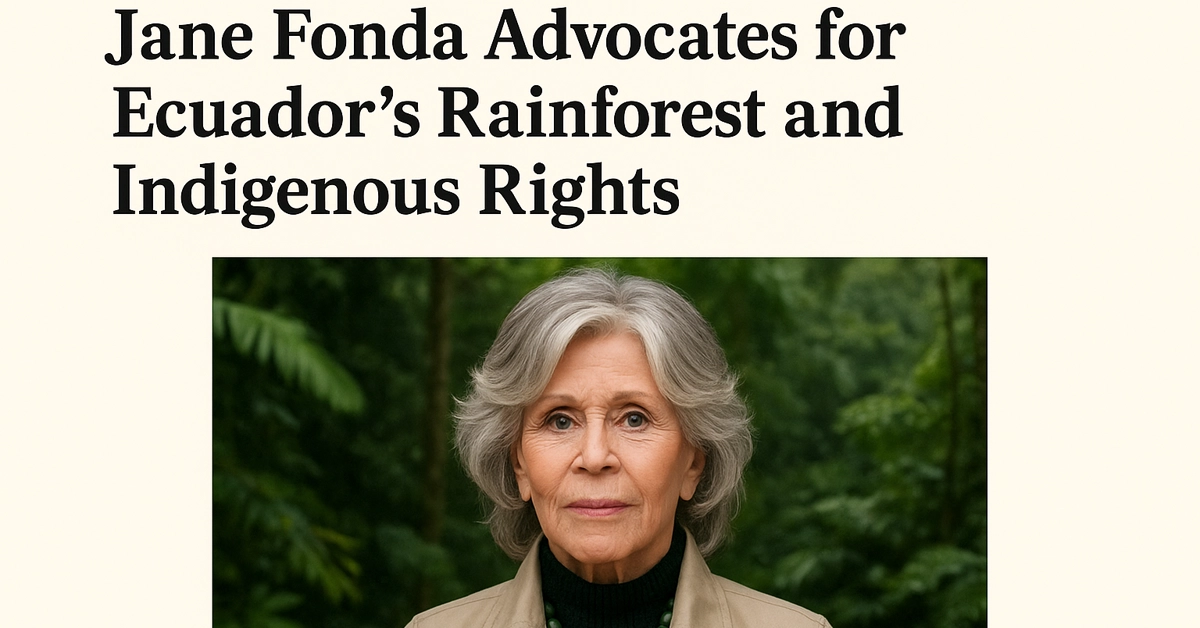
Hollywood Icon Joins Global Effort to Protect the Amazon and Defend Sacred Lands
In an era where the planet teeters between renewal and collapse, few voices from outside Indigenous communities have echoed so loudly in support of the rainforest as that of Jane Fonda. The 86-year-old actress, known for her decades of activism, has turned her attention to a crisis unfolding not on a movie set, but in the very heart of the Amazon: the threatened lands of Indigenous peoples in Ecuador.
Fonda has lent her name, presence, and influence to a growing campaign urging Ecuador’s Constitutional Court to recognize the full rights of Indigenous communities to give or deny consent before extractive industries enter their territories. At the center of this fight is a looming government plan to auction off 8.7 million acres of pristine Amazon rainforest to oil companies — a move that could devastate one of the world’s richest ecological and spiritual landscapes.
A Crisis Hidden in the Canopy
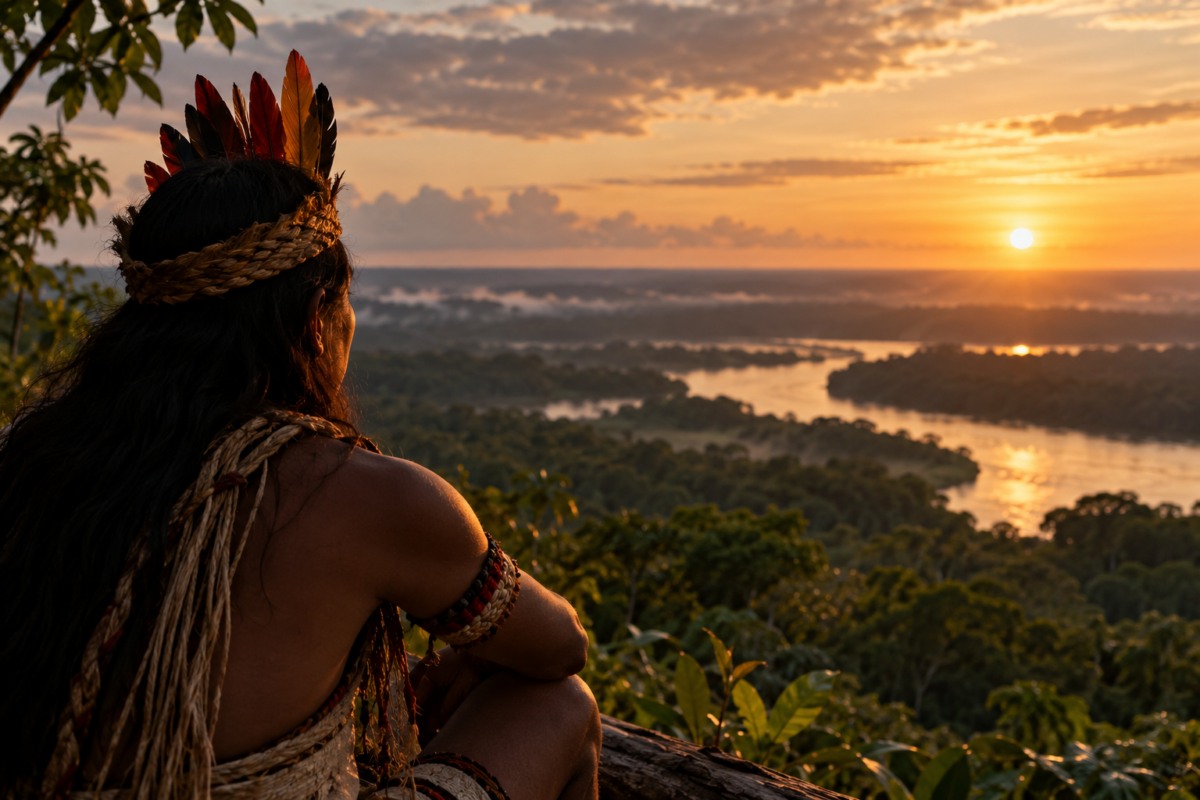
Ecuador’s Amazon is one of the most biologically diverse regions on Earth. Within its deep green expanses live jaguars, pink river dolphins, ancient trees, and hundreds of Indigenous communities who have protected this forest for millennia.
But under the canopy, pressure is mounting. Ecuador’s government, burdened by debt and economic hardship, has announced plans to open large portions of the rainforest — including Indigenous territories — to oil extraction. Despite strong legal precedents that uphold Indigenous rights to prior consultation, in practice these consultations are often ignored, rushed, or manipulated.
The planned oil auctions cover nearly 8.7 million acres — an area larger than the entire country of Belgium. Much of this land overlaps with the territories of the Waorani, Siona, Cofan, Kichwa, and other Indigenous nations. Communities who have already suffered displacement, pollution, and violence from previous extractive projects now face the threat of history repeating itself — at an even more devastating scale.
Jane Fonda: More Than a Celebrity Endorsement
Jane Fonda’s involvement is not performative. It is part of a larger arc of activism that spans civil rights, feminism, anti-war movements, climate action, and more recently, Indigenous solidarity.
Speaking about her support for Ecuador’s Indigenous nations, Fonda stated:
“There is no climate justice without Indigenous rights. The Amazon is not a sacrifice zone — it’s sacred. And the people who live there must be heard, respected, and protected.”
Her voice carries weight. In a media-saturated world, celebrity attention often determines whether a story stays local or becomes global. Fonda’s engagement has brought renewed international attention to Ecuador’s Amazon crisis, helping to amplify Indigenous voices that are often ignored by governments and corporations alike.
The Legal Battle: Rights on Paper vs. Reality on the Ground
At the core of the campaign is a constitutional question: should Indigenous peoples in Ecuador have the right to free, prior, and informed consent before any development occurs on their lands?
This right is guaranteed under both Ecuador’s Constitution and international law — including the United Nations Declaration on the Rights of Indigenous Peoples (UNDRIP) and the International Labour Organization’s Convention 169. However, Ecuadorian authorities have frequently sidestepped or undermined these protections in the name of “national development.”
Now, Indigenous leaders — supported by legal advocates, international allies, and voices like Jane Fonda’s — are calling on the Constitutional Court to take a clear stand. They are demanding a binding decision that ensures no oil, mining, or logging projects can proceed without full and verifiable consent from affected Indigenous communities.
Such a ruling could not only stop the planned auctions but set a powerful legal precedent across Latin America and the world.
Oil and the Ghosts of the Past
This is not Ecuador’s first dance with oil. The scars of previous extraction projects still run deep, especially in the northern Amazon, where Texaco (now Chevron) operated for decades.
Toxic waste pits, oil spills, and deforestation have poisoned waterways and caused widespread illness among Indigenous and campesino communities. One of the most infamous environmental justice battles in history — the Chevron-Texaco lawsuit — emerged from this region, and continues to drag through courts after nearly 30 years.
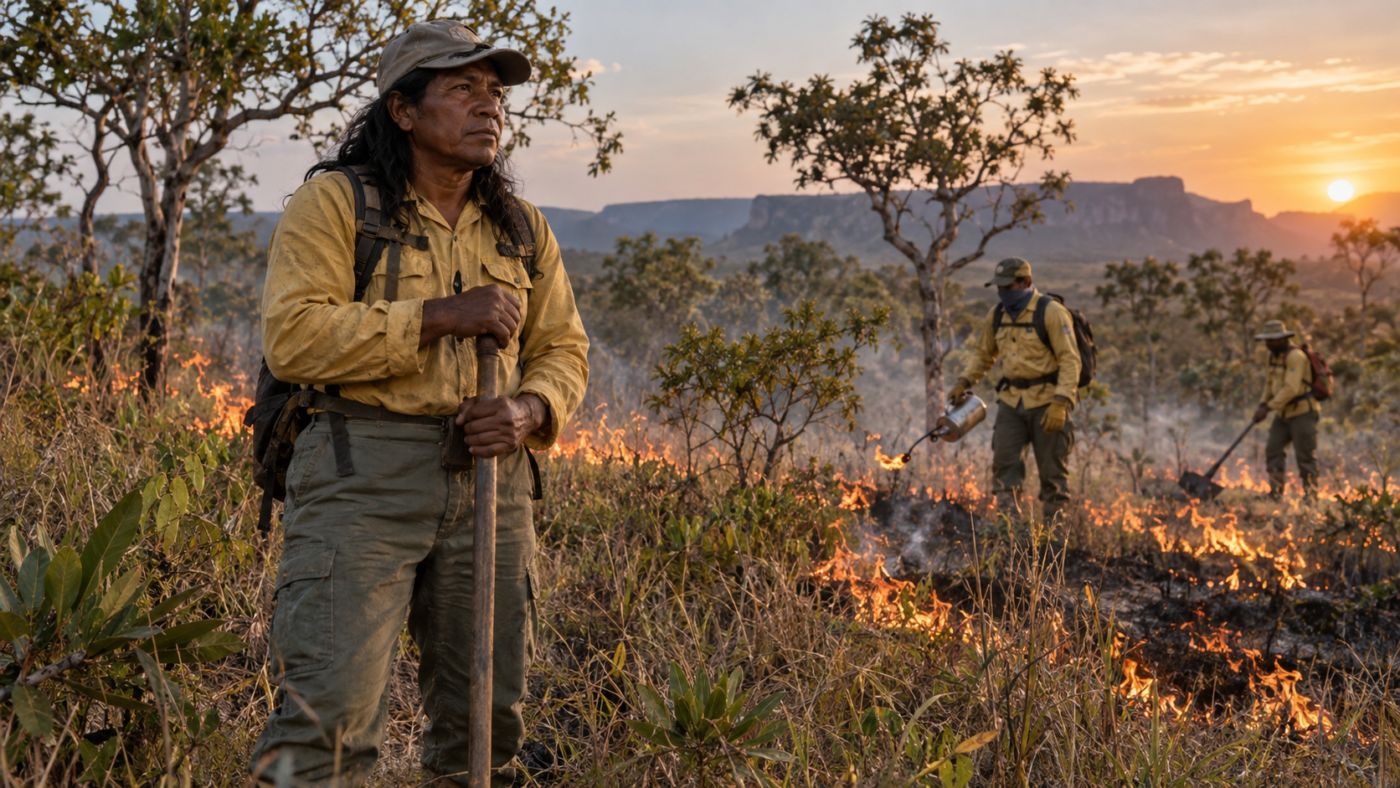
Now, Indigenous leaders fear that history is being set to repeat itself, only this time in the more remote southern Amazon, where the forest remains largely intact — for now.
As Waorani leader Nemonte Nenquimo put it:
“Our rainforest is not for sale. Our territory is our life, our medicine, our culture. We are not asking for pity. We are demanding respect.”
The Forest Is Life
Beyond legal arguments and economic plans, there lies a deeper truth: the Amazon is sacred. It is not merely a carbon sink or a reserve of natural resources. It is a living being, home to spirit, song, and ancestral memory.
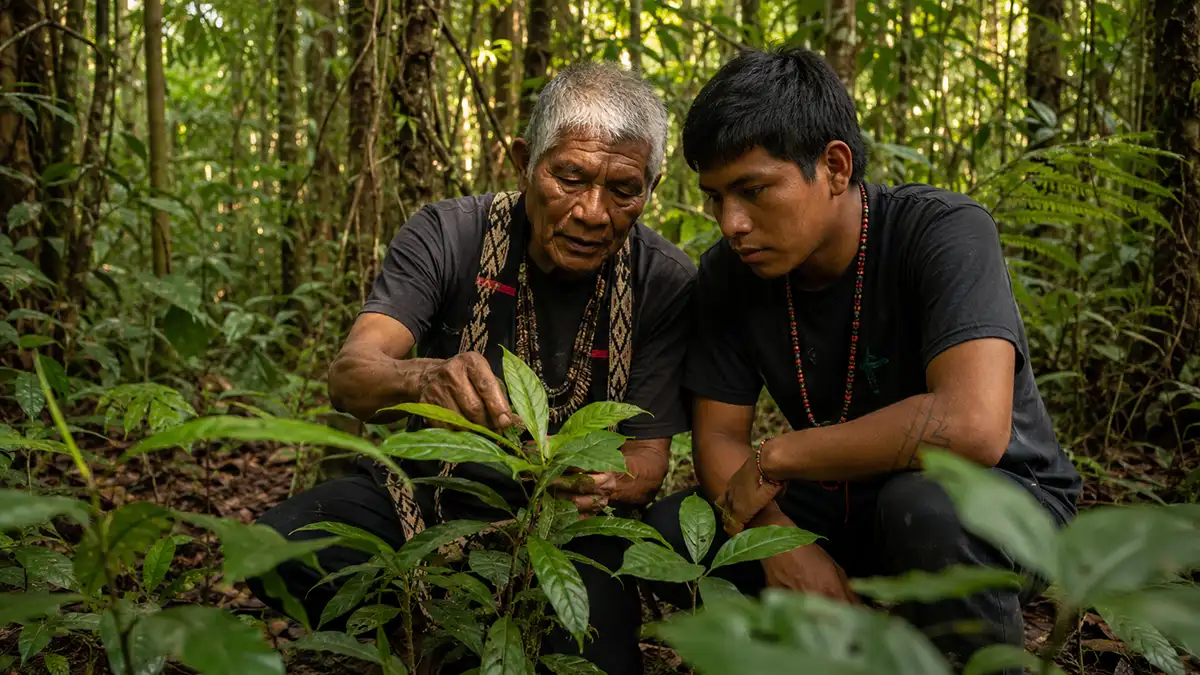
Indigenous communities do not separate nature from themselves. The trees are relatives. The rivers are veins. The soil carries stories. When you drill into this land, you are not just extracting oil — you are wounding a living system that sustains the entire planet.
And in a time when climate collapse threatens all life, the idea of sacrificing the Amazon for short-term economic gain is more than reckless — it is suicidal.
A Global Movement Emerges
Fonda’s campaign is part of a broader shift in global consciousness — one where more people are recognizing that the fight for Indigenous rights is the fight for climate justice.
This movement includes youth activists, environmental lawyers, shamans, artists, scientists, and communities of faith. It spans borders, languages, and political ideologies. Its message is simple: we must protect the protectors.
International solidarity is growing. Petitions are circulating. Demonstrations are being planned. And at the center of it all are Indigenous women — like Nemonte Nenquimo, Helena Gualinga, and Patricia Gualinga — whose leadership has inspired a new generation of resistance rooted in love and courage.
What Can We Do?
This is not just an Ecuadorian issue. The Amazon belongs to all of us. And the defense of Indigenous sovereignty is a global moral imperative. Here’s how you can help:
- Sign petitions supporting Indigenous consent rights in Ecuador.
- Amplify Indigenous voices on social media (@nenquimo, @helenagualinga, @amazonfrontlines).
- Support organizations like Amazon Watch, Pachamama Alliance, and Amazon Frontlines.
- Pressure policymakers in your country to prioritize Indigenous-led conservation.
- Boycott companies linked to Amazon destruction.
- Educate others about the deeper spiritual and ecological value of the rainforest.
Beyond Climate Conferences
This movement is not about appearing green in front of cameras. It’s about truth. It’s about honoring ancestral wisdom. It’s about recognizing that the climate crisis cannot be solved by marginalizing those who hold the keys to its healing.
Jane Fonda’s platform can help open the door — but it is the elders, the youth, the forest people who carry the map.
And they are clear: no more extraction. No more empty promises. Consent is not consultation. Rights are not optional. The future cannot be built on broken treaties.
A Final Word from the Forest
In the Waorani language, there is no word for “wilderness.” Because the forest is not wild — it is home. And in this home, everything is in relationship. The trees breathe for us. The birds sing for us. The Earth gives without asking.
Now, it is our turn to give back.
To listen.
To stand.
To act.
Because if the Amazon falls, we all fall.
And if the people who protect it lose their voice, we lose our future.
Continue exploring
All stories
The medicines of the forest