Amazon Deforestation Hits a 10-Year Low: What This Rare Good News Means for the Forest
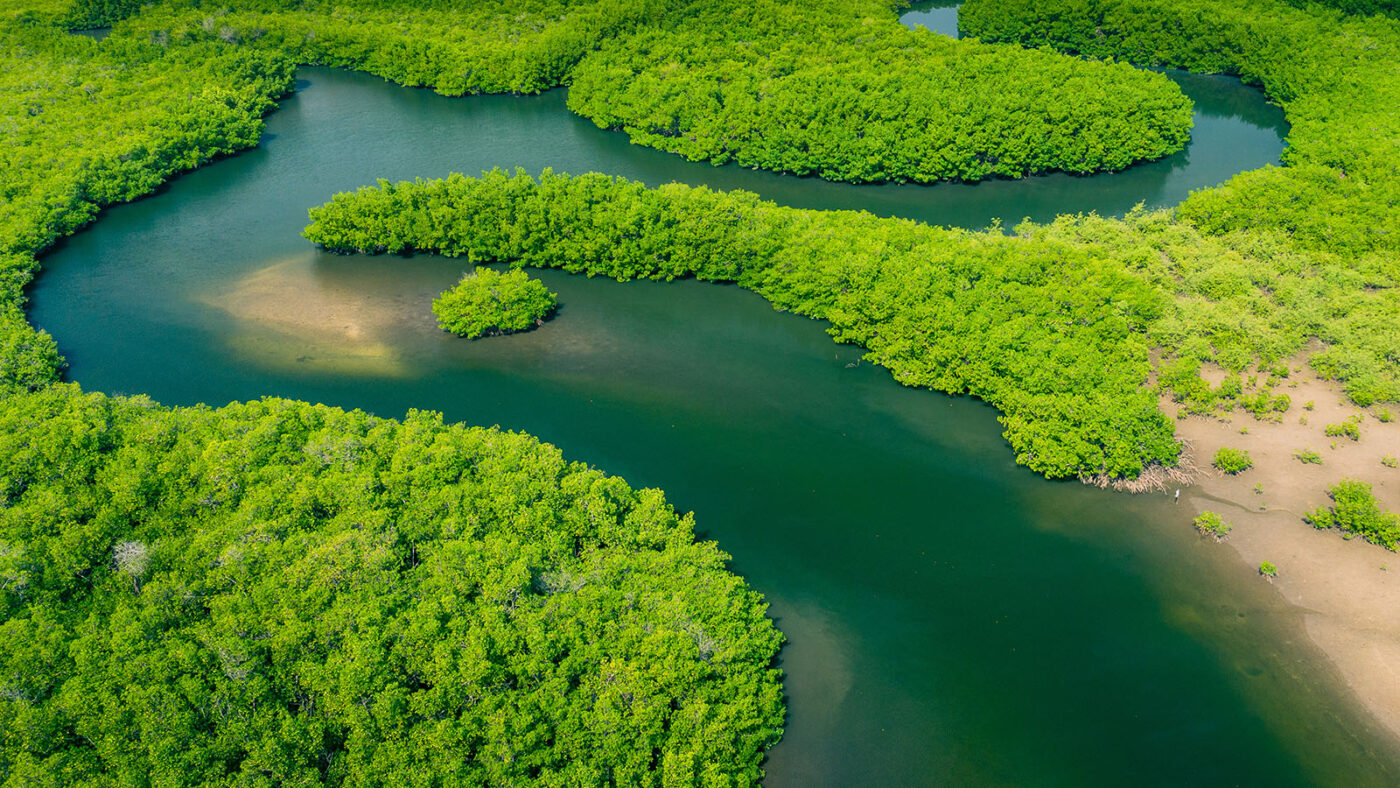
Haux, beloved Forest Family. Today we bring news from home that deserves to be celebrated: the Amazon is losing less forest than at any point in the past ten years.
According to Brazil’s National Space Agency (INPE), 1,295 square kilometers of Amazon rainforest were cleared in the first half of 2026 — down from 2,090 square kilometers in the same period last year. That is a 38% drop, and the lowest level recorded in a decade. For those of us whose lives and work are woven into this forest, numbers like these are not abstract statistics. They are breath. They are rain. They are the living home of the communities we work with every day.
What’s behind the good news
This didn’t happen by accident. Ane Alencar, science director at the Amazon Environmental Research Institute, put it simply: “This shows that the political will to fight deforestation has prevailed.” Stronger enforcement, satellite monitoring, and years of pressure from Indigenous movements and forest defenders are bearing fruit.
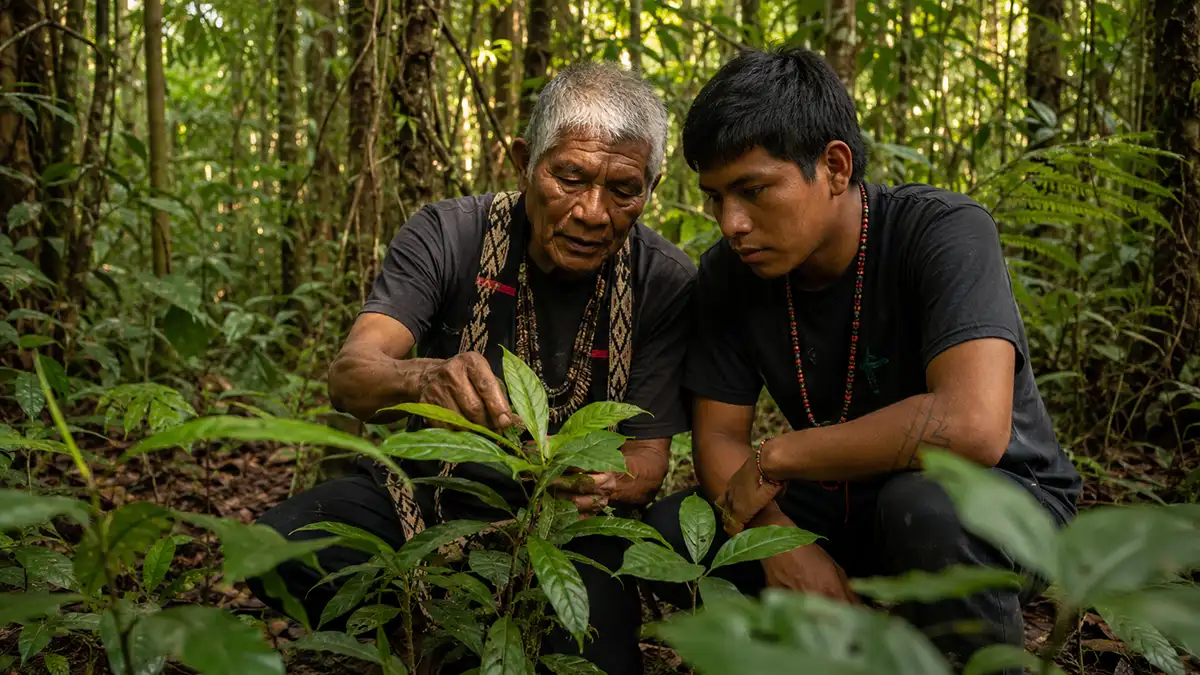
And there is something else the headlines often miss: the places where the forest stands strongest are, again and again, Indigenous territories. Study after study confirms that demarcated Indigenous land is one of the most effective shields the Amazon has. The people who know the forest as a relative, not a resource, are the ones keeping it alive. We’ve written before about what the guardians of the Amazon can teach a changing world — this news is their victory more than anyone’s.
Why we don’t look away from the caveats
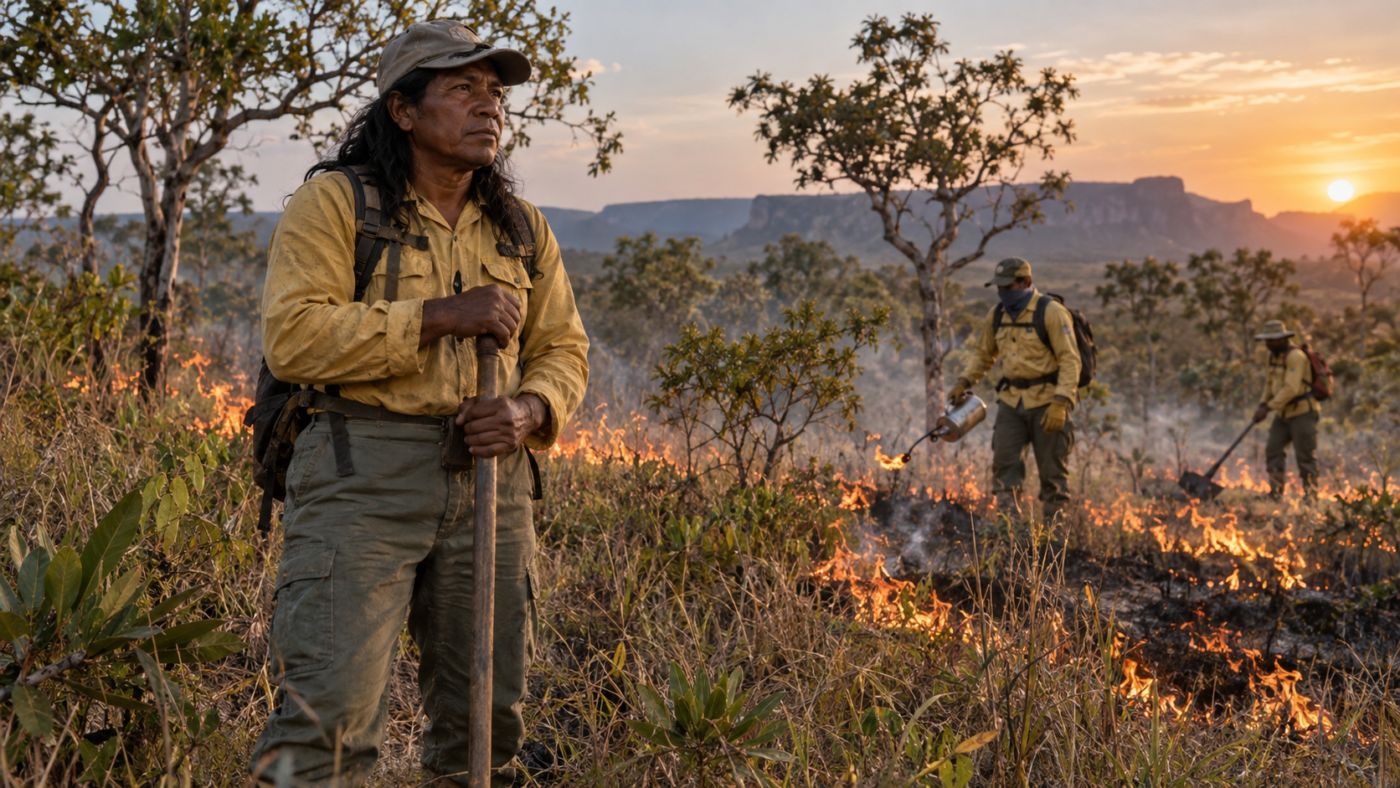
We love this forest too much to sugarcoat things. Scientists caution that fire remains a serious threat — in recent years, fire has accounted for the majority of primary forest loss, and a severe El Niño is forecast through early 2027, bringing drought conditions that can accelerate burning. Brazil has increased firefighting budgets in response, but the dry months ahead will test this progress.
So we hold both truths at once: real progress, and real vigilance. That is how the forest teaches us to think — in cycles, not headlines.
What this means for our Forest Family
In our years working directly with Amazonian communities, we have seen what conscious trade can do. When artisans and medicine makers can sustain their families through fair partnerships — through their beadwork, their sacred preparations, their knowledge — the forest gains defenders who can afford to keep defending it. Modern Indigenous life is not a museum piece; it is communities choosing, every day, to keep the forest standing.
Every authentic rapéh blend, every handmade kuripe, every beaded piece in our care comes from this living web. Choosing authenticity and fair trade is a small vote for the world where this week’s news becomes the new normal.
Walking gently, together
The forest is breathing a little easier this season. Let’s take that in — gratitude is also a practice. And then let’s keep walking gently: supporting Indigenous stewardship, choosing conscious commerce, and remembering that every ceremony begins with respect for the living world that makes it possible.
Haux haux. 🙏
Sources: Mongabay · Al Jazeera · Phys.org
Continue exploring
All stories
The medicines of the forest