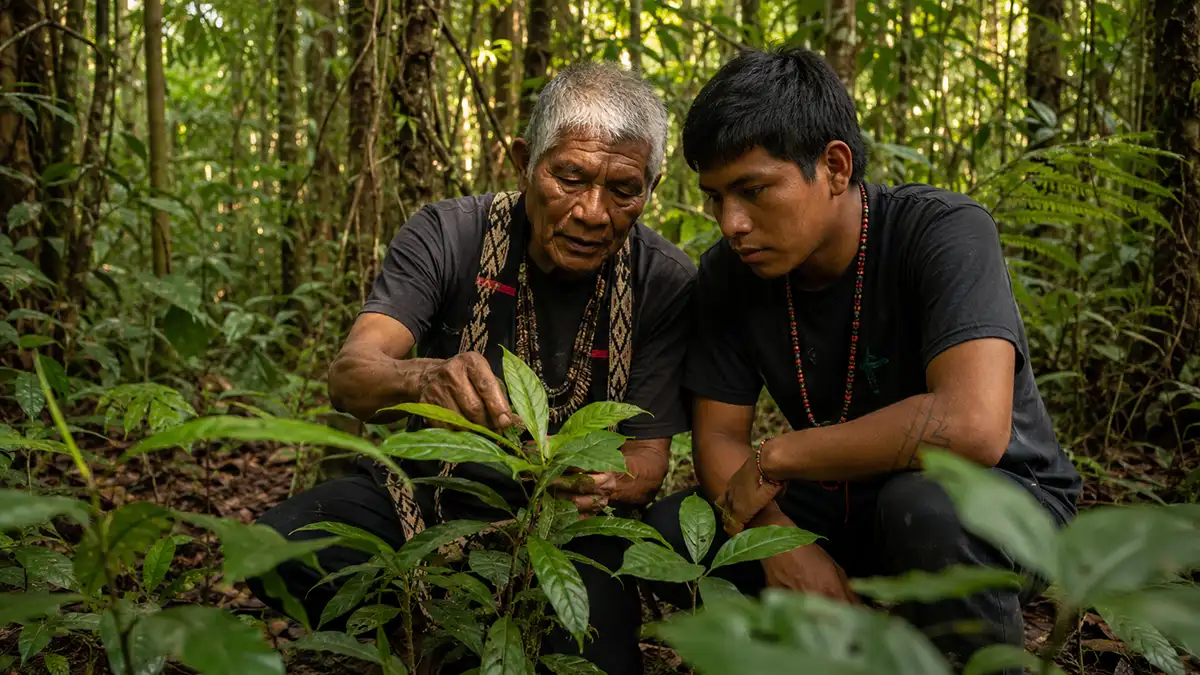

The Mirror of the Forest: Seeing Ourselves in the Eyes of Nature
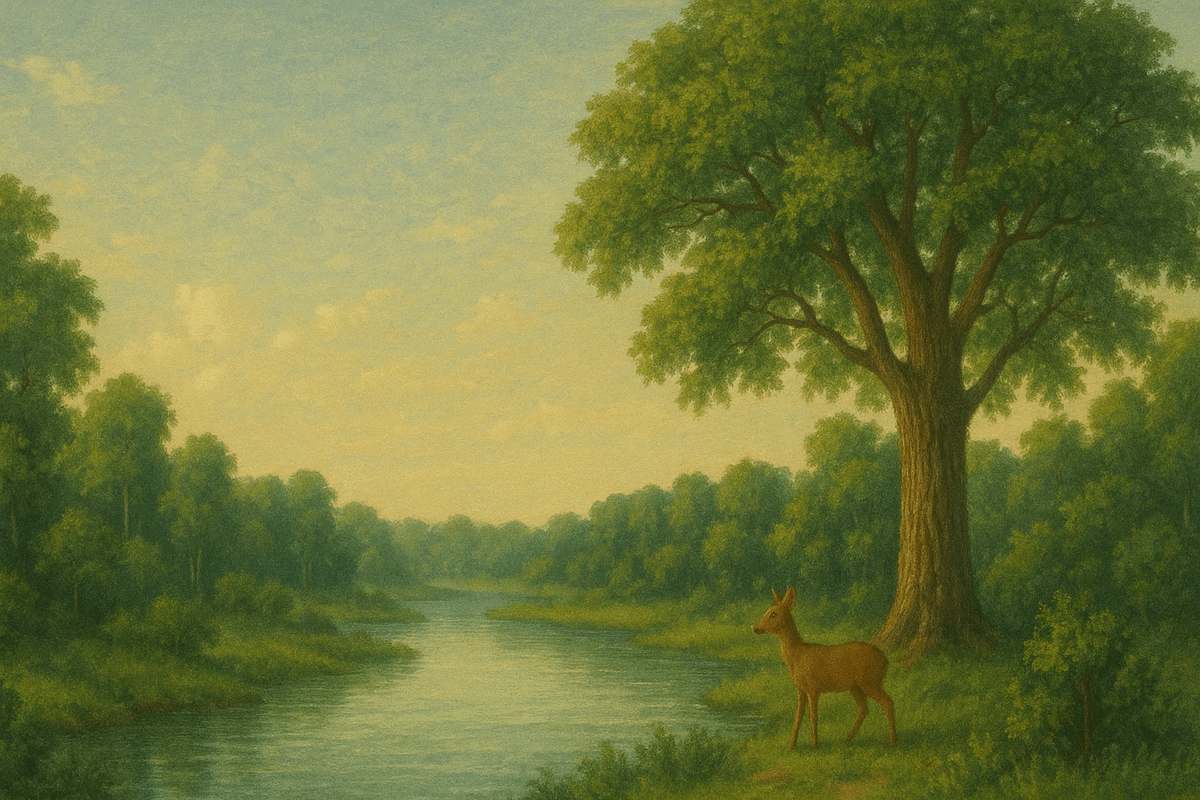
The mirror of the forest appears whenever humans recognize themselves reflected in the natural world.
Forests reveal patterns that feel deeply familiar — cycles of growth and rest, silence and movement, adaptation and transformation. Nature often reflects emotional states, inner rhythms, and forms of awareness that modern life can easily obscure.
This is one reason people frequently feel changed after spending time in natural environments.
The mirror of the forest reminds us that humans are not separate from nature, but expressions of the same living systems.
What Is the Mirror of the Forest?
The mirror of the forest symbolizes the way nature reflects human experience, emotion, and awareness.
When observing rivers, trees, storms, seasons, or silence, people often recognize patterns similar to their own lives.
The forest becomes a place of reflection rather than distraction.
Nature Reflects Human Cycles
Forests move through cycles continuously.
Growth, decay, rest, renewal, and transformation happen naturally throughout ecosystems.
These same patterns exist within human life.
This connection forms part of the meaning behind the mirror of the forest.
The Forest and Emotional Awareness
Natural environments often change emotional perception.
Silence, sound, light, and movement influence how humans think and feel.
This emotional response strengthens the symbolic role of the mirror of the forest.
The environment reflects inner states in subtle ways.
Stillness and Observation
The forest encourages observation rather than constant stimulation.
Without excessive noise and distraction, awareness becomes sharper.
This stillness is central to the experience of the mirror of the forest.
Reflection often begins in silence.
Seeing Ourselves Through Nature
Humans naturally project meaning onto landscapes, animals, weather, and seasons.
A storm may feel emotional. A river may symbolize movement. A tree may represent resilience.
This symbolic relationship deepens the meaning of the mirror of the forest.
The Forest as Teacher
Many ancestral traditions view nature as a source of guidance and learning.
Observation of ecosystems became a way of understanding balance, patience, and adaptation.
This perspective is closely connected to the mirror of the forest.
Interconnection and Relationship
The forest functions through relationships between trees, water, soil, fungi, insects, and animals.
No organism exists completely alone.
This interdependence reflects the broader message behind the mirror of the forest.
Life operates through connection.
The Relationship Between Nature and Human Perception
Studies increasingly explore how natural environments influence mental and emotional well-being.
Scientific discussions related to nature therapy examine how forests affect stress, focus, and awareness.
This growing understanding reinforces the connection between humans and natural environments.
Connection with Forest Traditions
Forest traditions often approach nature as something alive and intelligent rather than passive scenery.
The environment becomes part of reflection, ritual, and observation.
For those exploring deeper awareness, our Rapéh Guide offers insights into grounding and respectful practices inspired by forest traditions.
You can also explore how to use rapéh as part of intentional routines connected to presence and observation.
Experience the Reflection of Nature
The forest changes depending on how it is observed.
Sometimes it feels peaceful, mysterious, intense, or deeply alive.
For adult practitioners exploring deeper awareness, Queen of the Forest offers sacred tools including our sacred rapéh collection and handcrafted kuripe applicators.
These tools should always be approached with respect and awareness.
Nature Looking Back at Us
The mirror of the forest reveals how deeply connected humans remain to the natural world.
Within rivers, trees, storms, silence, and cycles, people often recognize reflections of their own inner lives.
And through that reflection, the forest continues teaching awareness, balance, and connection.
What does the mirror of the forest mean?
It symbolizes how nature reflects human emotions, cycles, and awareness.
Why do forests feel emotionally powerful?
Natural environments influence perception, mood, and attention deeply.
What can humans learn from nature?
Nature teaches balance, adaptation, patience, and interconnectedness.
Why is silence important in forests?
Silence encourages observation, reflection, and deeper awareness.
Continue exploring
All stories
The medicines of the forest