The Benefits of Rapéh: Ancestral Medicine of the Forest
Rounding, cleansing, and connecting with the spirit of the Earth
A Sacred Dust of the Forest
Deep in the Amazon rainforest, far from the reach of modern noise, Indigenous peoples have preserved a medicine that is as subtle as it is profound. Known as rapéh (also spelled hapé, rapeh, or rapé), this finely ground blend of sacred tobacco and ashes of medicinal trees is more than a powder — it is a portal.
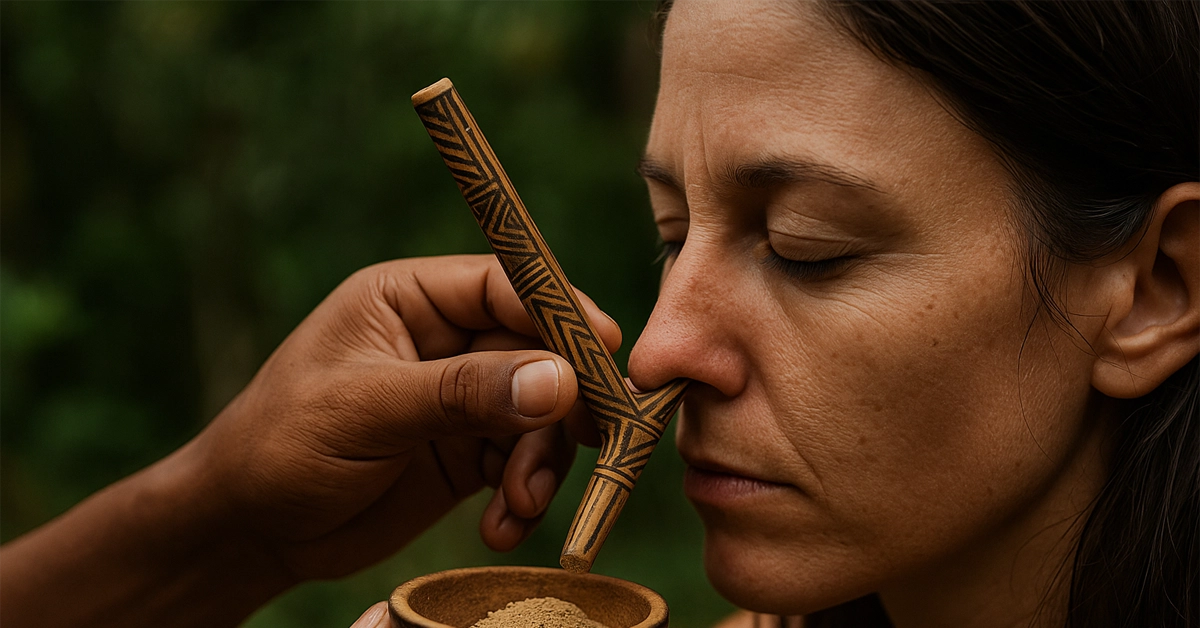
For countless generations, rapéh has been used in ceremony, prayer, and healing. Its benefits are many: clearing the mind, grounding the spirit, realigning the body’s energies, and opening the heart to communion with the divine. Unlike recreational substances, rapéh is not inhaled for entertainment. It is blown with intention, often through special applicators called kuripe (for self-application) or tepi (for ceremonial sharing), accompanied by prayer and respect.
To receive rapéh is to accept a gift from the forest — a gift that brings the human being back to center.
The Physical Benefits of Rapéh
Though rapéh is primarily a spiritual medicine, its physical effects are not to be ignored. For Indigenous communities, the medicine serves both body and soul.
1. Cleansing the Sinuses and Respiratory System
The immediate sensation of rapéh is strong: it enters through the nasal passages, often causing tears, sneezing, and mucus release. Far from being unpleasant, this process is understood as purification. The medicine clears blockages, expels toxins, and allows the breath to flow more freely.
2. Detoxification and Reset
Some blends provoke purging — through vomiting, sweating, or bowel release. While uncomfortable to Western sensibilities, this is viewed as medicine working at the deepest level, cleansing what no longer serves the body.
3. Headache and Pain Relief
Certain trees used in rapéh, such as tsunu or murici, carry analgesic properties. Applied with prayer, rapéh may ease headaches, relieve tension, and bring a sense of physical balance.
4. Focus and Energy
Hunters in the Amazon use rapéh before journeys to sharpen vision, enhance focus, and maintain alertness. The nicotine in sacred tobacco, combined with ashes, stimulates clarity and presence.
The Mental Benefits of Rapéh
1. Mental Clarity
The “clouds” of thought often dissipate after receiving rapéh. People describe a sudden quieting of mental noise, a clear perception of what matters, and release of distracting thoughts.
2. Stress and Anxiety Relief
While rapéh is stimulating at first, it quickly brings grounding. Its effects can calm racing minds, reduce anxiety, and restore balance in moments of overwhelm.
3. Sharpening Intuition
Indigenous shamans describe rapéh as a way of “tuning the antenna.” It helps the mind align with the higher self and with spiritual guidance, enhancing intuitive perception.
The Spiritual Benefits of Rapéh
This is where rapéh’s true medicine shines — not only in the body or mind, but in the spirit.
1. Grounding to the Earth
Rapéh brings immediate connection with the Earth. The body feels heavy, centered, and rooted, as if the spirit has descended fully into the physical vessel.
2. Energetic Cleansing
Many people use rapéh to release heavy or stagnant energies. Whether after conflict, sadness, or exhaustion, the medicine acts like a sweeping wind that clears away what does not belong.
3. Connection with Prayer
Rapéh is always applied with intention. It is not a casual act. In ceremony, shamans blow the medicine while uttering prayers. This transforms rapéh into a vehicle of communication with spirit — the smoke-free tobacco carrying human words into the unseen world.
4. Vision and Insight
Though not psychedelic in the way of ayahuasca, rapéh opens the visionary channel in subtle ways. Users may receive insights, guidance, or symbols that illuminate their spiritual path.
Rapéh in Ceremony and Daily Life
Among Indigenous peoples, rapéh is versatile.
- In Ceremony: Used alongside songs, ayahuasca, or other medicines, rapéh grounds participants, clears energies, and prepares the mind for prayer.
- In Daily Healing: Mothers give children mild blends for stomach upset or fever. Hunters apply rapéh before going into the forest. Elders use it in the mornings to begin the day centered.
- In Spiritual Protection: Some blends are believed to ward off negative spirits or envy. They are applied before entering difficult spaces.
The Plants Behind Rapéh
Each rapéh blend is unique, made with sacred tobacco (Nicotiana rustica) and ashes of particular trees. The choice of tree shapes the medicine’s energy:
- Tsunu: Classic, grounding, deeply cleansing.
- Murici: Balancing, stabilizing, clarity-giving.
- Cumaru: Aromatic, heart-opening, harmonizing.
- Mulateiro: Rejuvenating, associated with youth and renewal.
- Samaúma: Protective, visionary, linked with the Queen of the Forest.
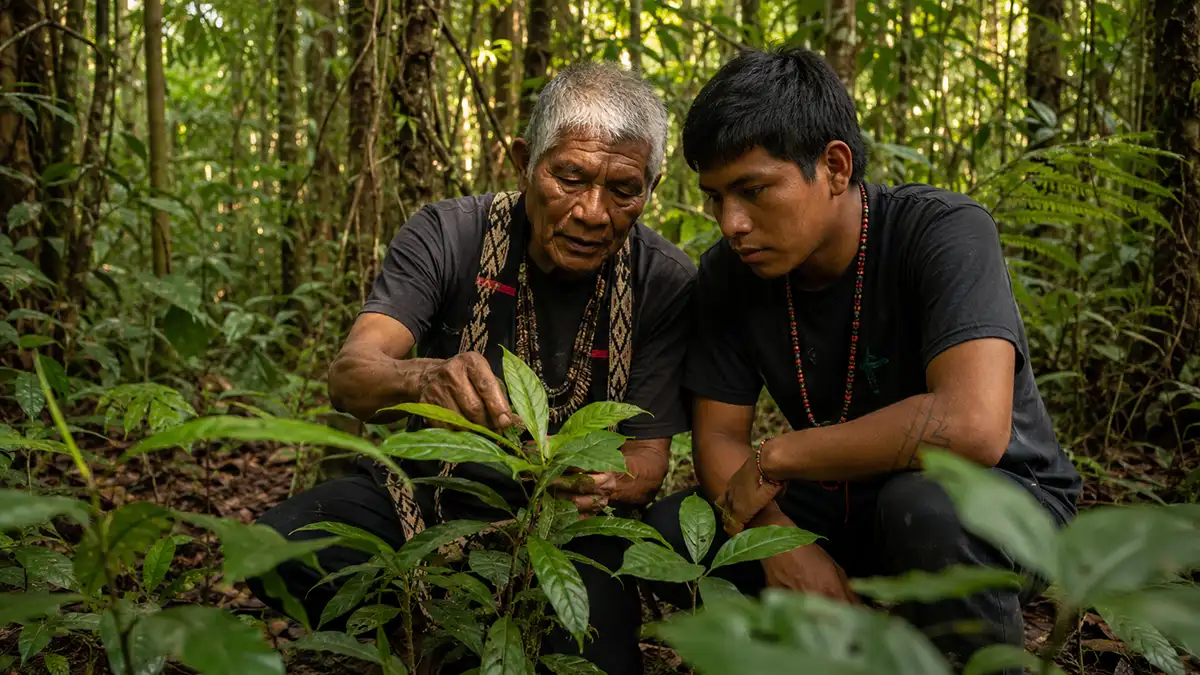
Each plant is prayed with, gathered respectfully, and prepared according to ancestral knowledge.
The Role of the Applicator: Kuripe and Tepi
Rapéh is never snorted or inhaled. It is blown, symbolizing the breath of life and the transmission of spirit.
- Kuripe: A V-shaped applicator for self-use. The medicine is placed in one end and blown through the nose with one’s own breath.
- Tepi: A longer applicator, used by a shaman or another person to administer rapéh to someone else. The tepi emphasizes community, trust, and the transmission of prayer from one being to another.
These tools are sacred objects themselves, often carved, decorated, and blessed before use.
The Ethical Dimension: Respecting the Source
To speak of rapéh’s benefits without mentioning ethics would be incomplete. This medicine is not a commodity to be exploited. It comes from Indigenous cultures who have guarded its preparation and meaning for centuries.
For those who receive rapéh outside the forest, it is vital to:
- Honor its origin: Acknowledge the tribes and traditions that preserved it.
- Use with respect: Apply it prayerfully, not casually.
- Support the guardians: Purchase only from sources that give back to Indigenous communities and protect the rainforest.
Only then does rapéh remain medicine — not just powder.
Rapéh as a Mirror
Perhaps the greatest benefit of rapéh is not what it does to us, but what it reveals within us. Many describe rapéh as a mirror: it shows the state of our body, the clarity of our mind, the heaviness of our spirit. If we are unbalanced, the medicine reveals it. If we are clear, it strengthens that clarity.
In this sense, rapéh is not a cure-all. It does not fix problems magically. Instead, it reflects, cleans, and prepares — so that we may take the next steps on our path with awareness.
Returning to Center
The benefits of rapéh are as diverse as the forest itself. From physical cleansing to mental clarity, from grounding to spiritual alignment, this ancestral medicine continues to serve as a bridge between humanity and nature.
In a world that spins with distraction and noise, rapéh is a call back to presence. It reminds us to breathe, to ground, to listen. It reconnects us with the Earth, with our ancestors, and with the sacredness of everyday life.
To honor rapéh is to honor the forest, the people who have carried this medicine through generations, and the spirit of reciprocity that sustains life.
The true benefit of rapéh is this: it brings us home — to our bodies, to our prayers, and to the great living heart of the Amazon
[ux_products]
Continue exploring
All stories
The medicines of the forest