Rapéh of the Yskubu Tribe: Sacred Tobacco and the Path of the Ancestors

Ancestral wisdom, spiritual depth, and the unique medicine of the Yskubu people
The Hidden Guardians of the Forest
Deep within the Amazon rainforest, far from the eyes of modern society, lives the Yskubu people—one of the many Indigenous tribes who safeguard the ancestral traditions of sacred rapéh (hapé, rapeh, rapé). For them, this medicine is more than a plant blend. It is a prayer, a discipline, and a bridge between human beings and the spirit world.
The Yskubu, though smaller and less known than some of their neighboring nations, carry a profound lineage of connection with tobacco (mapacho), ashes of sacred trees, and the invisible realms of the forest. Their rapéh is revered as strong, deeply grounding, and profoundly spiritual. It reflects their unique cosmology, their relationship with the natural world, and their role as guardians of ancient wisdom.
Who Are the Yskubu?
The Yskubu people live in a remote region of the Amazon, in territories that remain largely untouched by urbanization. Like other Indigenous groups, their survival depends on the intimate knowledge of the forest—its rivers, plants, and spirits.
Though relatively small in population, the Yskubu carry a vast spiritual heritage. Their songs, myths, and rituals are dedicated to maintaining harmony between humans and the natural world. Within this context, rapéh is one of their most sacred allies.
The Role of Rapéh in Yskubu Culture
For the Yskubu, rapéh is not a recreational substance but a sacrament. It is used in daily rituals, healing practices, and collective ceremonies.
Purposes of Use
- Spiritual Alignment: Clearing the mind to connect with prayer and song.
- Healing: Helping the body release dense energies, headaches, and fatigue.
- Community Rituals: Strengthening bonds between participants, creating shared focus.
- Vision and Protection: Opening perception to guidance from the spirits of the forest.
Ingredients and Preparation
Every rapéh blend is unique, but the Yskubu are known for their careful preparation and sacred attitude toward the process.
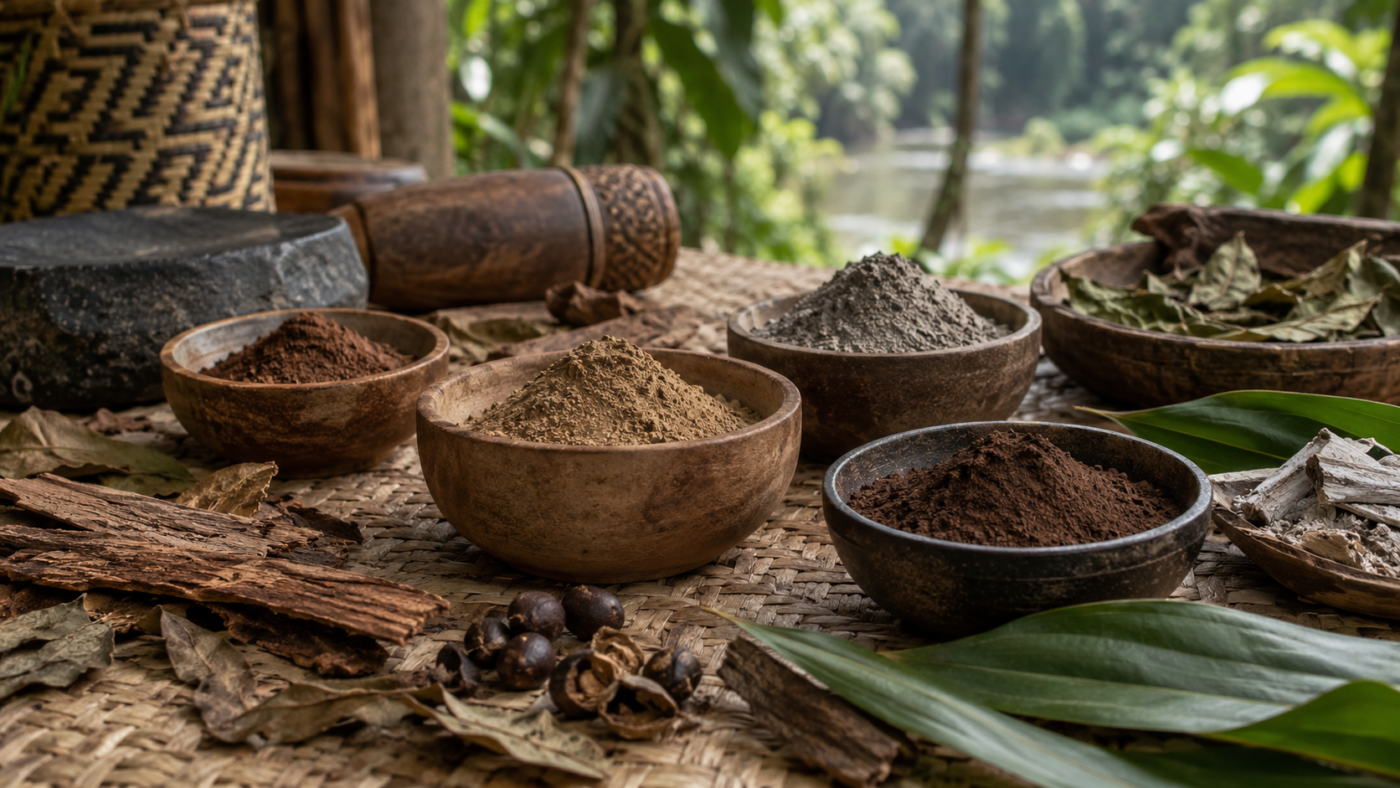
- Sacred Tobacco (Mapacho): The foundation of rapéh, representing the grandfather spirit.
- Ashes of Trees: Commonly from species such as Murici, Tsunu, or Pau Pereira—each bringing its own energetic qualities.
- Medicinal Plants: Sometimes aromatic or healing herbs are added, aligning the blend with specific intentions.
The preparation is always done with prayer. Elders and medicine carriers explain that the energy of the one who prepares the rapéh is transmitted into the medicine itself. For this reason, the Yskubu treat the process with utmost respect, often singing or praying while grinding and sifting the ingredients.
The Spiritual Philosophy of the Yskubu
The Yskubu see the forest as a living being, full of spirits and guardians. The use of rapéh is a way to enter into dialogue with this living forest.
- Balance: Rapéh helps align the human body with the natural rhythms of the earth.
- Discipline: The medicine demands respect; it is not to be taken casually but with focus and intention.
- Connection: Through rapéh, practitioners connect not only with spirits but also with ancestors, receiving wisdom across generations.
Ceremonial Use
In Yskubu rituals, rapéh is often applied at key moments:
- Opening the Ceremony: Clearing the mind and heart before prayers and chants.
- During Healing Sessions: Shamans use rapéh to diagnose and clear blockages in patients.
- At Dawn or Dusk: Aligning with the thresholds of day and night, moments of great spiritual power.
The kuripe (self-applicator) or tepi (applicator used by another) are considered sacred tools, extensions of the medicine itself.
The Spirit of the Jaguar in Yskubu Rapéh
Among the Yskubu, the jaguar is deeply connected with rapéh. They believe that the medicine carries the vigilance, strength, and clarity of the jaguar spirit. When rapéh enters the body, it sharpens awareness, just as the jaguar perceives every sound and movement of the night.
Thus, the medicine is not only cleansing but also empowering—awakening the inner warrior and protector.
Lessons from the Yskubu
The Yskubu people remind us that rapéh is not a commodity but a sacred heritage. Their teachings highlight:
- Respect: Every application should be done with prayer and gratitude.
- Intention: The effects depend on the clarity of purpose when using the medicine.
- Reciprocity: Those who receive from the forest must also protect and care for it.
Rapéh for the Modern Seeker
For those outside the Yskubu community, encountering their rapéh is a chance to connect with ancestral wisdom. But it requires humility. The medicine is not about escape or quick healing; it is about presence, truth, and devotion.
When used with respect, the rapéh of the Yskubu tribe can:
- Ground the body in times of chaos.
- Clarify the mind for prayer and meditation.
- Open the heart to spiritual guidance.
Supporting the Yskubu and Their Traditions
Every purchase of authentic Yskubu rapéh is not just a transaction—it is an act of support for the survival of their culture and forest. By valuing their medicine, we help create economic dignity and recognition for Indigenous people, ensuring that their voices and traditions continue to thrive.
A Prayer in the Wind
The rapéh of the Yskubu is more than a blend of plants. It is a living prayer, a bridge between human beings and the great mysteries of the forest. It carries the discipline of ancestors, the protection of jaguar spirits, and the fragrance of sacred trees.
When one receives this medicine with respect, it is as if the breath of the Yskubu shamans themselves travels through the wind, reminding us that we are never separate from nature, from spirit, or from the heartbeat of the Amazon.
Continue exploring
All stories
The medicines of the forest