Water, Life, and Balance: The Importance of Amazonian Rivers for the Planet

The global impact of preserving Amazonian rivers and their biodiversity
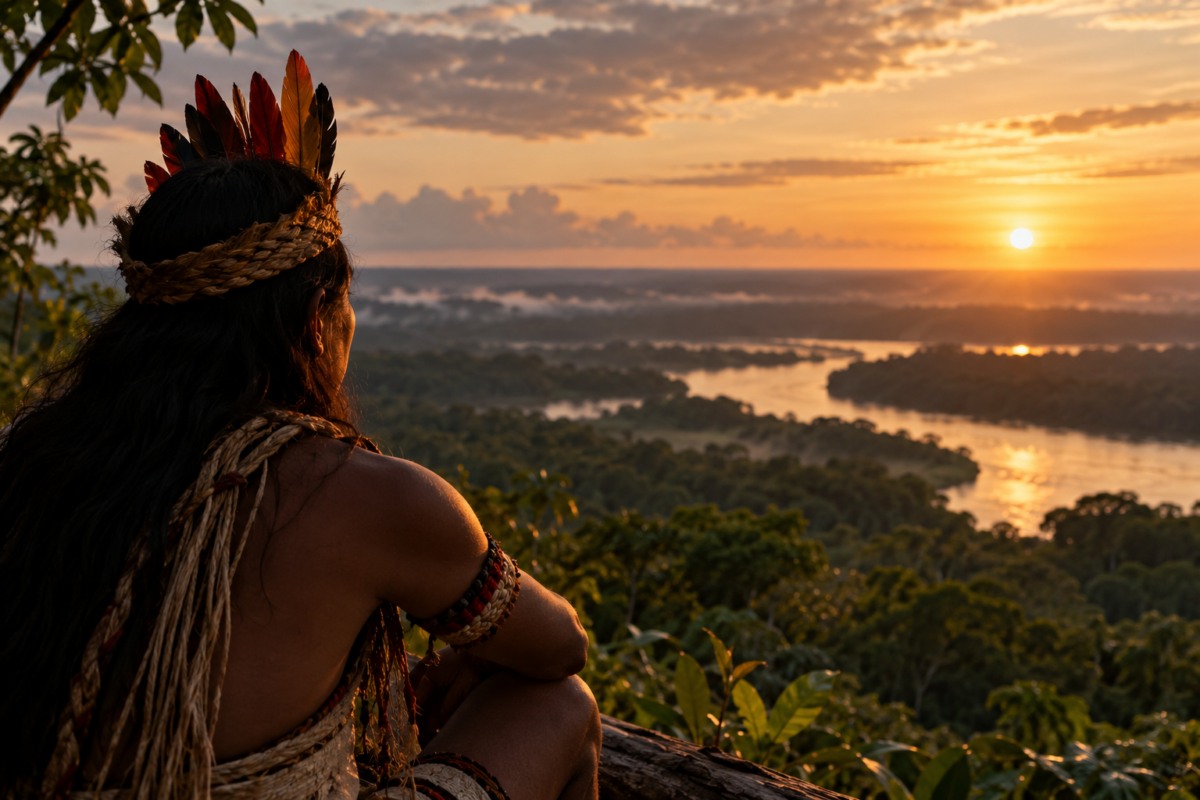
Amazonian rivers are not just water veins winding through the largest tropical rainforest on Earth. They are living arteries of a complex and sacred ecosystem, sources of food, energy, and ancestral wisdom. They are mirrors of the sky that reflect the clouds and transport life in all its forms—from the fish that dance in the currents to the words whispered by shamans in their canoes. Preserving the rivers of the Amazon is preserving the balance of the planet.
In this article, we dive into the depths of the importance of Amazonian rivers, understanding their vital role in global climate regulation, biodiversity conservation, indigenous culture, and humanity’s sustainable future.
- The Circulatory System of the Forest
Amazonian rivers form the largest watershed on the planet. The Amazon River, along with its more than 1,100 tributaries, carries one-fifth of the world’s freshwater to the oceans. This vast network is essential for maintaining the rainforest’s humidity, nourishing soil, plants, animals, and the clouds that return as rain.
This dynamic creates a unique cycle of life: the forest transpires, the rivers evaporate, and the Amazon generates its own rain. That’s why the forest is often called a water factory.
- Flying Rivers and Global Climate
Far beyond the visible shores, Amazonian rivers also exist in the sky. Known as “flying rivers,” these atmospheric currents carry moisture from the forest to other regions of South America—including southeastern Brazil, Argentina, and even parts of Chile.
When the forest is deforested and the rivers polluted, these flying rivers weaken. Rainfall decreases in distant areas, affecting agriculture, urban supply, and energy reservoirs. Thus, protecting Amazonian rivers ensures rainfall in southern regions and climate stability on a global scale.
- Aquatic Biodiversity: A Submerged Universe
Amazonian rivers harbor astonishing biodiversity: over 2,500 cataloged fish species, along with river dolphins, caimans, turtles, giant otters, and countless aquatic insects. Many of these species exist nowhere else on Earth.
Each stretch of river has its unique fauna and flora, shaped by sediments, flow, temperature, and depth. This ecological complexity creates a living laboratory, with untapped healing potential and symbiotic interactions that even inspire modern biotechnology.
- Rivers as Pathways of Culture and Wisdom
For the indigenous peoples of the Amazon, rivers are sacred pathways. They connect villages, conduct ceremonies, cradle ancestral chants, and carry millennia-old stories. Riverbanks are places of birth, healing, learning, and farewell.
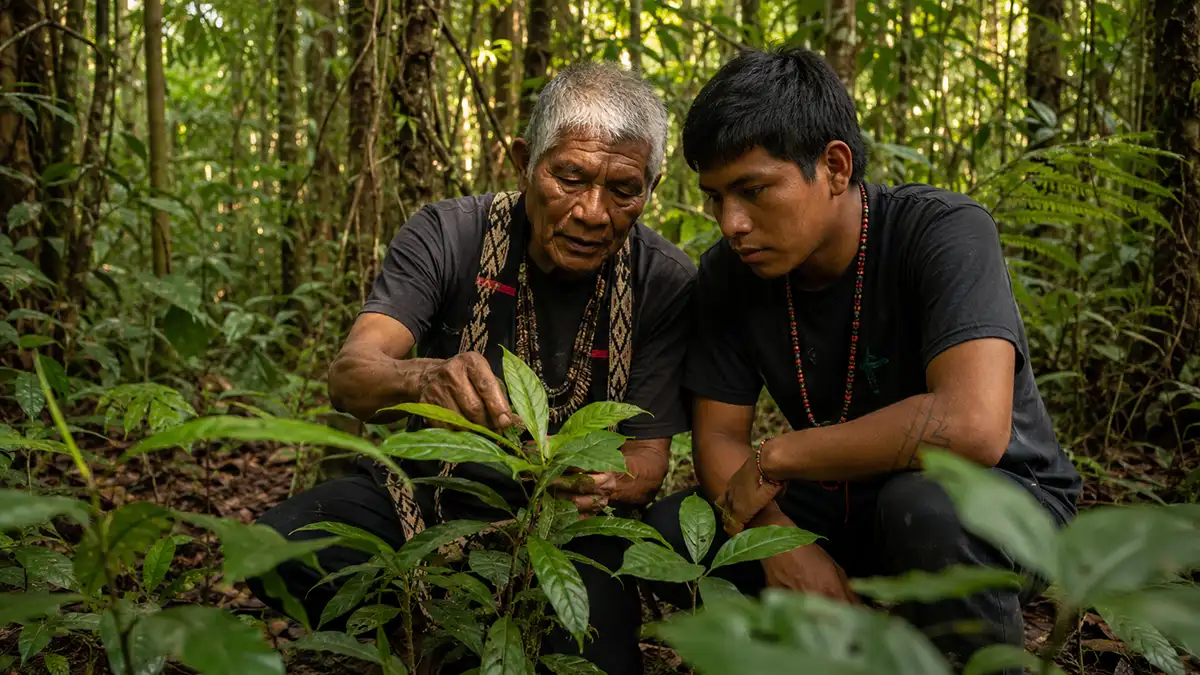
Children learn to swim before they walk. Elders read the currents to predict weather changes. Medicines come from the forest, but are often activated with baths and prayers in the waters.
Preserving rivers means preserving entire cultures, endangered languages, and cosmologies that see water as a living spirit.
- Current Threats: Mining, Pollution, and Dams
Unfortunately, Amazonian rivers are under growing threat. Illegal mining releases mercury into the waters, poisoning fish and communities. The spread of hydroelectric dams disrupts the natural flow of rivers, affecting species migration and nutrient cycles. Dredging destroys banks, stirs up sediments, and causes erosion.
Urban sewage and plastic waste have also reached major Amazonian cities like Manaus and Belém, harming aquatic ecosystems.
Without urgent change, river destruction will bring unpredictable consequences for the entire planet.
- Sustainable Solutions: Living Rivers for a Viable Future
The good news is that solutions exist. Indigenous peoples and riverine communities are leading water protection initiatives, with environmental monitoring, ecotourism projects, traditional sustainable fishing systems, and reforestation along riverbanks.
Environmental organizations, universities, and even governments are beginning to integrate traditional knowledge with modern science to create comprehensive management plans.
Ecological sanitation technologies, natural filtration, and community-based river surveillance systems are already showing promising results.
- The Role of Each of Us
Even far from the forest, everyone can help preserve Amazonian rivers. Reducing beef consumption (a key driver of deforestation), supporting sustainable forest products, advocating for public policy, donating to grassroots projects, or simply spreading information are ways to act.
Every gesture matters. Every drop of awareness feeds a river of change.
Rivers Are the Lifeblood of the Earth
Amazonian rivers are not just watercourses: they are veins that nourish the forest, the continent, and the planet. They are liquid memories carrying stories of creation, survival, and healing. Protecting these rivers is protecting life in all its forms.
In a world growing more arid in every sense, may we be like rivers: fluid, generous, and persistent.
May we learn to listen to the sound of the waters before it falls silent.
Continue exploring
All stories
The medicines of the forest