Permaculture in the Forest: Indigenous Models of Sustainable Agriculture
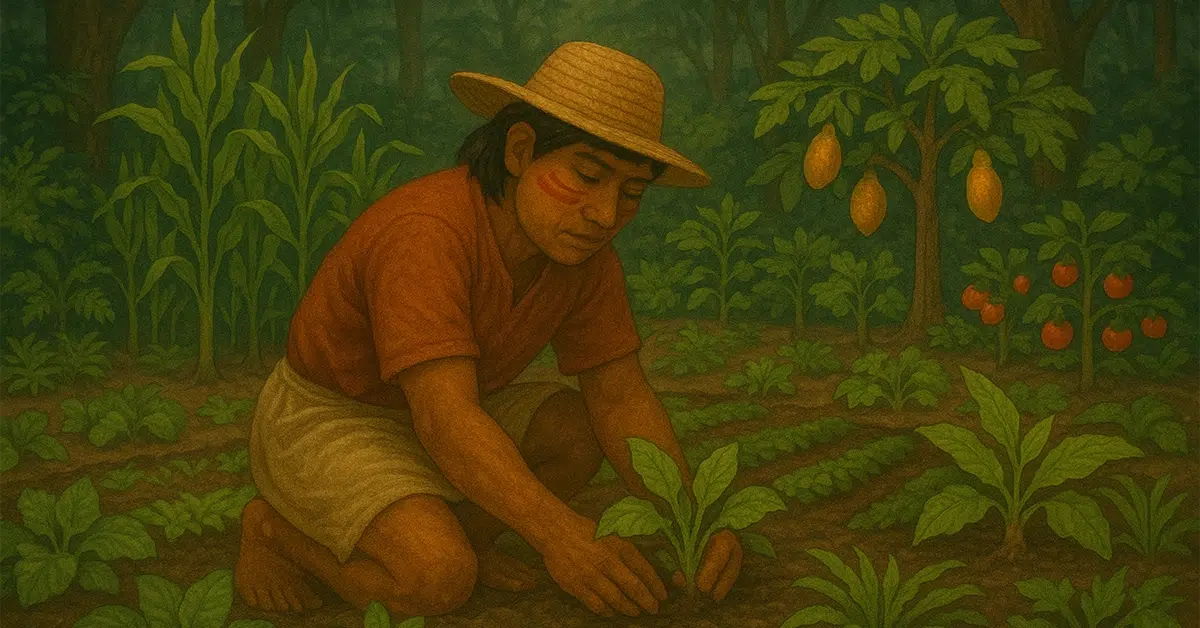
Traditional practices that respect ecological balance.
Deep within the Amazon rainforest, far from the buzz of cities and the push of industrial agriculture, lies a rich and ancient knowledge of how to work with the land rather than against it. For millennia, indigenous peoples have practiced forms of agriculture that nourish the earth, respect its rhythms, and sustain both the forest and the communities within it. Long before the term “permaculture” was coined, the principles of it were being lived daily by the guardians of the forest.
Today, as the world faces environmental collapse and searches for solutions to regenerate ecosystems, the ancestral wisdom of indigenous agricultural systems stands as a shining example of balance, resilience, and harmony with nature.
In this article, we will explore how indigenous models of sustainable agriculture—what we might now call “permaculture in the forest”—offer not only practical tools for regeneration, but also a philosophy of life rooted in reciprocity and sacred relationship with the earth.
- Agriculture Without Destruction: The Spirit of Coexistence
Indigenous agriculture is not based on conquest of the land, but on cooperation. There is no concept of “wilderness” to be tamed. The forest is already abundant; the role of the human is to enhance, not dominate.
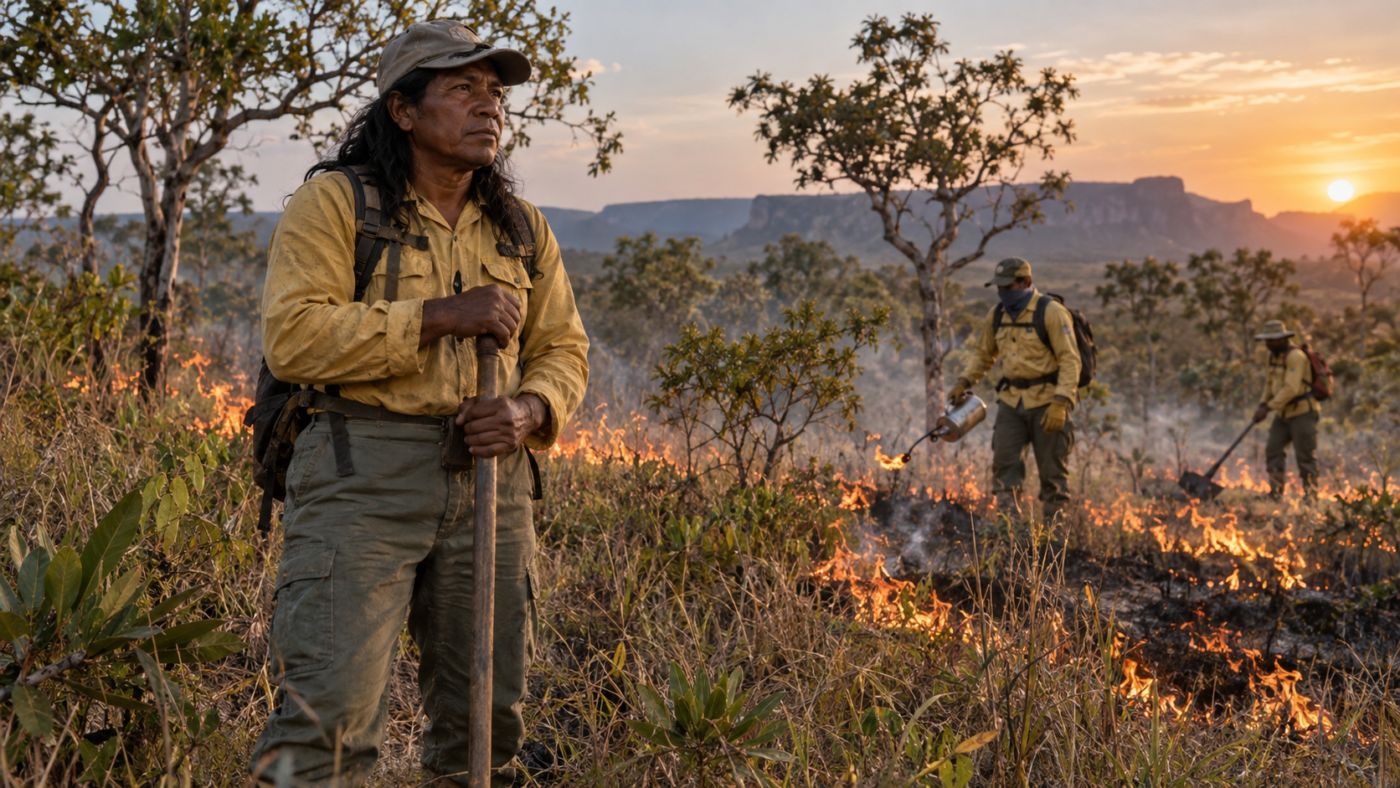
Through practices like shifting cultivation (also known as swidden or slash-and-burn, but done with long rest periods), indigenous communities allow the forest to regenerate between plantings. Instead of permanent monoculture fields, small clearings are used for a few years, then left to naturally reforest and heal.
These systems are not destructive when done traditionally—they mimic natural cycles and allow biodiversity to flourish.
- Agroforestry: Food Grown in the Shade of the Forest
One of the most powerful examples of indigenous permaculture is the use of agroforestry systems. In these models, food crops are grown among trees in layered systems that resemble the structure of a forest.
Bananas, manioc, cacao, açaí, and medicinal plants grow alongside native hardwoods, fruit trees, and palms. The canopy provides shade, moisture, and habitat for wildlife. The soil stays fertile because it’s covered, protected, and enriched by decomposing plant matter.
These systems produce food, medicine, building materials, and income—all while protecting the forest.
- Terra Preta: The Black Earth of the Ancestors
A striking example of indigenous soil wisdom is Terra Preta, or “black earth.” Found throughout the Amazon basin, these incredibly fertile soils were created centuries ago by indigenous peoples who mixed charcoal, compost, animal bones, and organic waste into the earth.
The result is a soil that regenerates itself, holds nutrients, and supports thriving plant life even in regions where natural soils are poor.
Modern science is only beginning to understand what ancient forest peoples mastered: how to feed life back into the land.
- Polyculture and Diversity: The Garden as a Web of Life
In contrast to industrial agriculture’s reliance on monocultures, indigenous gardens are a celebration of diversity. Multiple crops are planted together, not just for variety, but for mutual benefit.
Some plants fix nitrogen, others provide shade, and some act as natural pest repellents. This complexity not only supports ecosystem health but reduces the risk of crop failure. If one plant suffers, others thrive.
This principle reflects a deeper worldview: life flourishes in relationship.
- Seasonal Wisdom and Lunar Cycles
Planting is not dictated by market demands or mechanical calendars—it is aligned with natural rhythms. Indigenous farmers observe the moon, the rainfall, the behavior of animals, and the flowering of trees to decide when to plant and harvest.
This deep listening cultivates not only food, but a profound sense of place and belonging.
- Forest Gardens as Sacred Spaces
For many indigenous peoples, the garden is not just a place to grow food—it is a sacred space, a living altar. Planting, harvesting, and preparing food are all done with intention, prayer, and gratitude.
Offerings are made. Songs are sung. The earth is treated not as a resource, but as a relative.
This spiritual connection transforms agriculture into ceremony.
- Community and Collective Work
Traditional agriculture is rarely a solitary task. Planting, weeding, and harvesting are done in community. Work is often accompanied by music, laughter, and storytelling. The garden is a place of bonding as well as sustenance.
This collective effort reinforces values of cooperation, generosity, and shared abundance.
- Healing the Land and the People
Indigenous agriculture is not only sustainable—it is regenerative. It heals degraded land, brings back biodiversity, and restores balance. But it also heals the people. Working with the land, in the rhythm of nature, restores a sense of dignity, purpose, and spiritual wholeness.
In a time of disconnection and crisis, these practices offer a way home.
- Modern Recognition and Challenges
Today, many indigenous agricultural systems are being recognized by scientists and ecologists for their brilliance. Agroecology movements are learning from these ancient models. Permaculture principles are aligning with what indigenous peoples have known all along.
However, these systems are still under threat—by land grabs, industrial agriculture, and policies that disregard traditional knowledge.
Protecting these models means protecting the rights, lands, and voices of indigenous peoples.
- A Vision for the Future: Learning from the Forest
The forest is not just a backdrop—it is a teacher. Indigenous agriculture shows us that we can feed ourselves while feeding the earth. That abundance comes from harmony, not exploitation. That the most advanced technologies may be those rooted in ancient memory.
In a time when the planet is calling for regeneration, the forest offers her blueprint. Will we listen?
Planting the Seeds of a New (Ancient) World
Permaculture in the forest is not a new invention. It is an ancient wisdom that continues to grow—quietly, humbly, persistently.
It is in the hands of a grandmother planting manioc. In the songs of a child harvesting açaí. In the eyes of a young leader defending her ancestral lands.
Let us honor these practices. Let us learn from them. Let us plant, together, the seeds of a future rooted in respect, resilience, and reverence for life.
Continue exploring
All stories
The medicines of the forest