The Invisible Guardian: The Spirit of the Mountain in Forest Traditions

Spirit of the Mountain: 7 Powerful Legends of the Invisible Guardian
Spirit of the mountain appears in stories, traditions, and myths across cultures throughout the world.
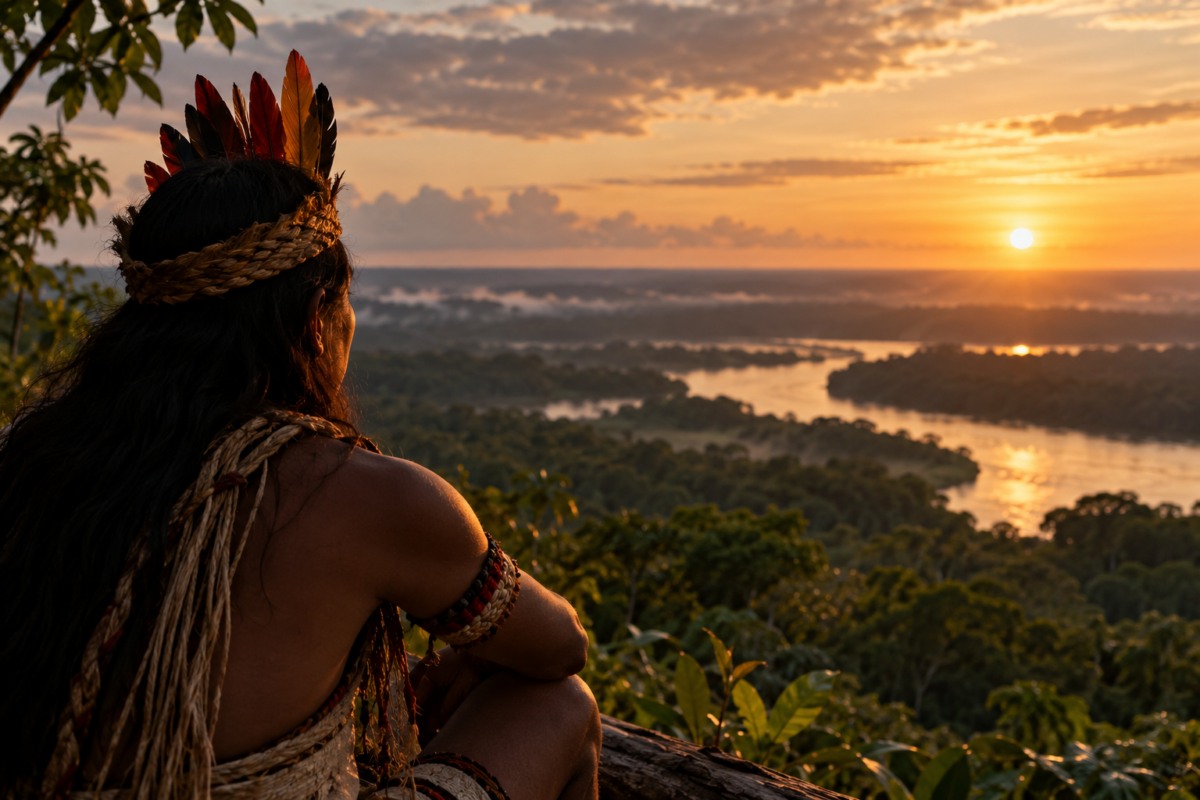
Mountains have long been seen as places of mystery, silence, and power. Rising above forests and clouds, they create the feeling that something ancient watches from above.
In many traditions, this presence became known as the invisible guardian — the spirit connected to the mountain itself.
The spirit of the mountain represents protection, wisdom, and the deep relationship between nature and human imagination.
What Is the Spirit of the Mountain?
Spirit of the mountain refers to the belief that mountains possess a living presence or guardian force.
Sometimes this spirit is described as a deity, ancestor, protector, or invisible being connected to the land.
Rather than being separate from the mountain, the spirit is often understood as the mountain itself expressing awareness.
1. Mountains as Sacred Places
Mountains have always inspired reverence.
Their height, silence, and isolation create a sense of awe.
This is one reason why the spirit of the mountain appears in so many traditions around the world.
Mountains naturally feel different from ordinary landscapes.
2. The Invisible Guardian
Many legends describe mountains as protected by invisible guardians.
These beings watch over sacred places, hidden paths, or ancient knowledge.
Within these stories, the spirit of the mountain serves as protector rather than ruler.
3. Mountains and Silence
Mountains are often associated with silence and stillness.
Far from crowded environments, they create spaces where awareness becomes sharper.
This silence strengthens the mystery surrounding the spirit of the mountain.
4. The Mountain as a Symbol of Stability
Unlike rivers or wind, mountains appear permanent.
They endure storms, seasons, and centuries.
Because of this, the spirit of the mountain is often associated with endurance and stability.
5. Sacred Mountains in World Traditions
Many cultures identify specific mountains as sacred.
These places become associated with visions, rituals, ancestors, or divine presence.
This global pattern reflects the universal symbolism of the spirit of the mountain.
6. Mountains and Transformation
Climbing a mountain has long symbolized transformation.
The journey upward represents challenge, perspective, and effort.
In this sense, the spirit of the mountain also becomes a guide through difficulty.
7. Why These Stories Continue
Stories about mountains continue because mountains continue to inspire mystery.
Their scale reminds humans of forces larger than themselves.
This is why the spirit of the mountain remains meaningful even today.
The Relationship Between Nature and Mythology
Human cultures often create myths around powerful landscapes.
Forests, rivers, caves, and mountains naturally stimulate imagination and symbolism.
Scientific discussions about sacred mountains show how geography influences spiritual traditions and mythology.
This relationship between environment and story exists across civilizations.
Connection with Forest Traditions
In forest traditions, mountains are often seen as places of deeper silence and awareness.
They represent perspective, patience, and endurance.
For those exploring deeper connection with nature, our Rapéh Guide offers insights into grounding and respectful traditional practices.
You can also explore how to use rapéh to understand approaches to awareness and intention.
Experience the Presence of Nature
Mountains remind us that nature carries both beauty and mystery.
Some places feel powerful not because they speak loudly, but because they remain silent.
For adult practitioners exploring deeper awareness, Queen of the Forest offers sacred tools including our sacred rapéh collection and handcrafted kuripe applicators.
These tools should always be approached with respect and awareness.
The Guardian in the Silence
Spirit of the mountain represents the enduring mystery of nature.
Whether understood as mythology, symbolism, or spiritual presence, these stories reflect humanity’s deep connection with powerful landscapes.
Mountains remain silent, ancient, and watchful.
And within that silence, the invisible guardian continues to exist.
What is the spirit of the mountain?
It is the belief that mountains possess a guardian presence or sacred force connected to the land.
Why are mountains considered sacred?
Because their size, silence, and permanence inspire awe and spiritual symbolism.
Do many cultures have mountain guardian stories?
Yes, sacred mountain traditions exist in many cultures worldwide.
What does a mountain symbolize spiritually?
Mountains often symbolize stability, endurance, transformation, and perspective.
Continue exploring
All stories
The medicines of the forest