Indigenous Work in the Amazon
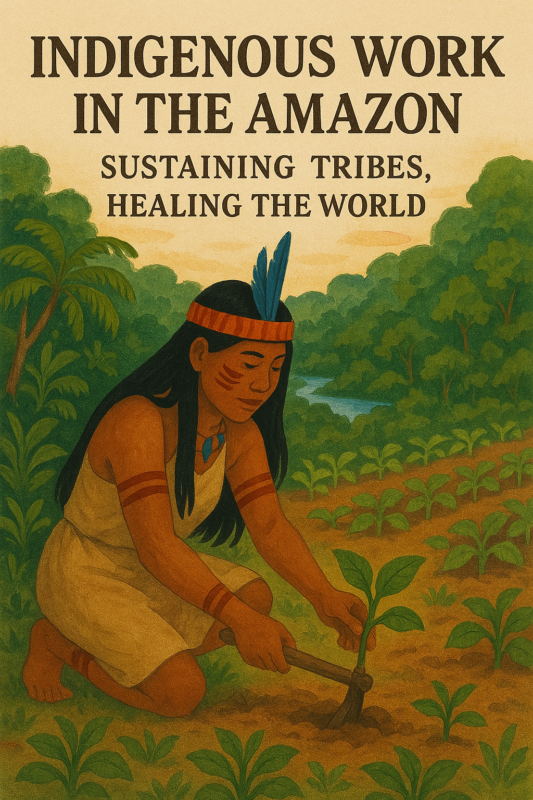
Sustaining Tribes, Healing the World
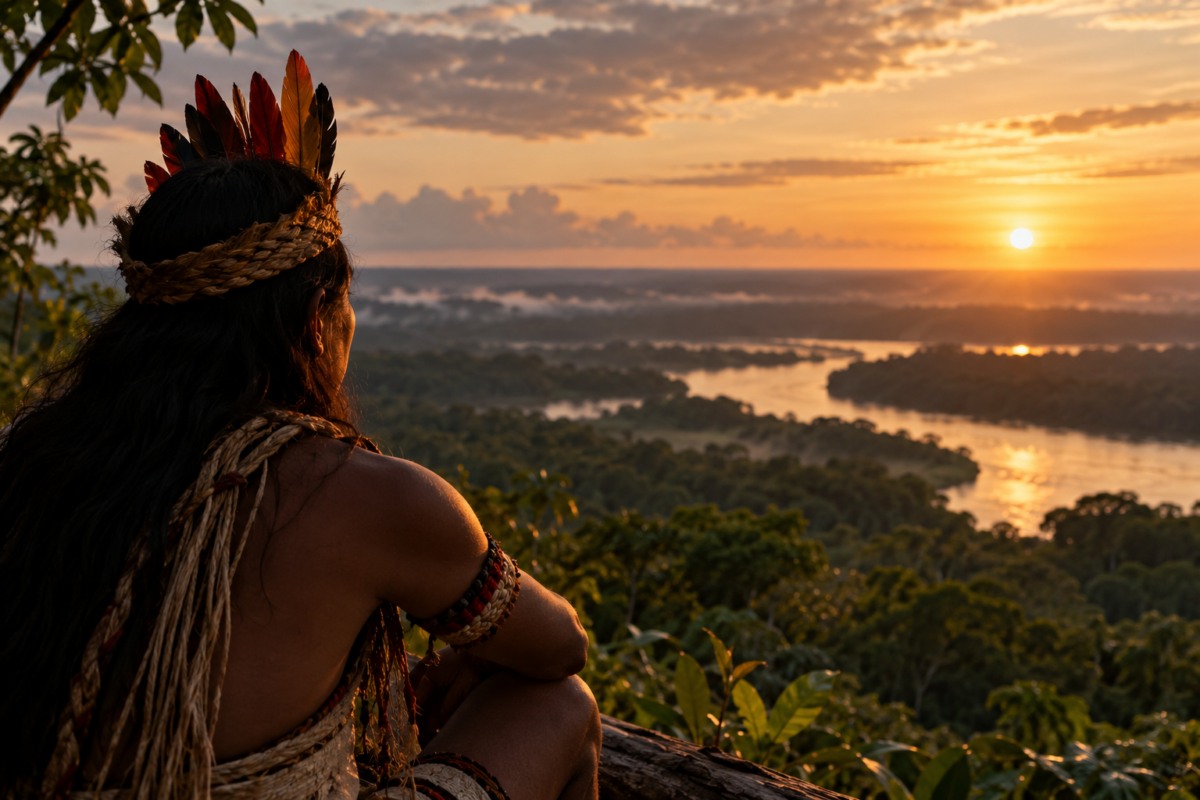
In the heart of the world’s largest tropical forest pulses a web of interconnected lives sustained by knowledge, songs, culture, and work. What we call “Indigenous work” in the Amazon is, in truth, an ancestral way of living in relationship with the land, the cycles, the spirits, and the collective. More than mere survival, this work is spiritual sustenance, cultural resistance, and a silent gift to all humanity.
In this article, we explore how the work carried out by the Indigenous peoples of the Amazon strengthens their communities, protects the forest, and contributes an irreplaceable legacy to the entire world.
1. Work as an Extension of the Sacred
For the peoples of the forest, work is not separate from spirituality. Planting, harvesting, hunting, fishing, building, painting, weaving, preparing medicines: everything is done with prayer, song, intention, and respect.
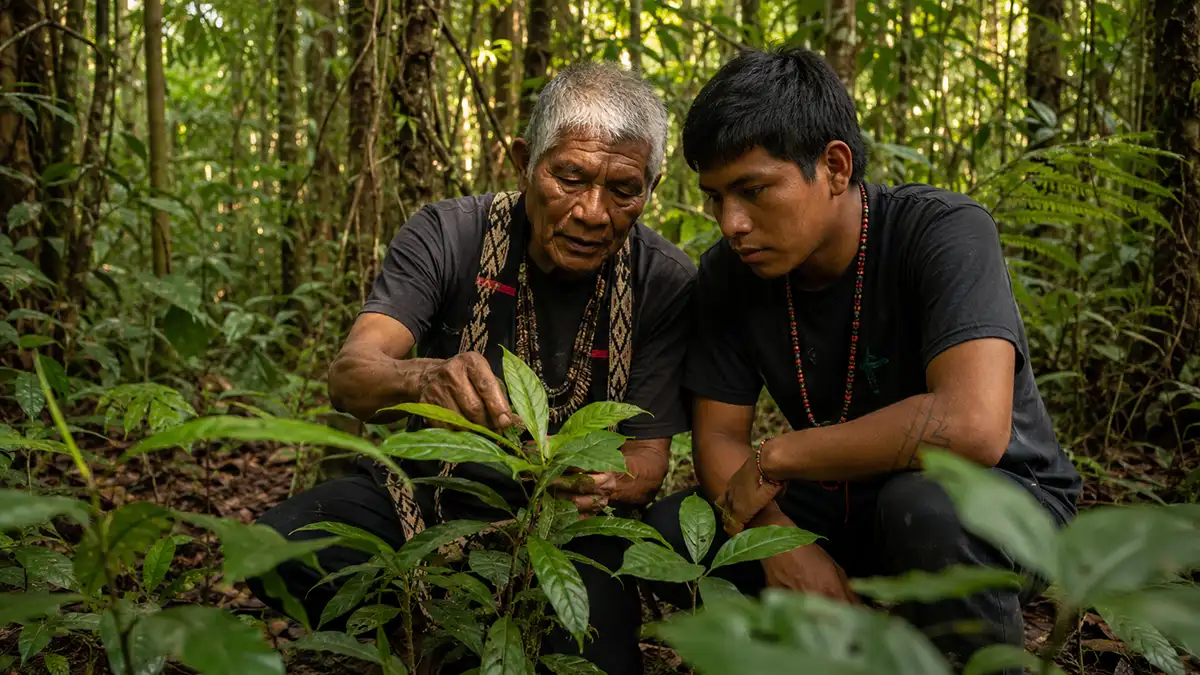
Manual labor is a gesture of communication with the ancestors. Handcrafted goods are not just aesthetic objects but living memory. The gathering of medicinal plants is done with care, observing the right time of nature. Every action is a link with the Earth and with the enchanted beings.
This work is collective. Children learn by observing their elders. Women pass on techniques while cooking or weaving. Men teach how to hunt and manage the forest with wisdom. Nothing is done in isolation. Everything is part of the living organism of the village.
2. Sustaining Tribes: Food, Culture, and Economy
Indigenous work directly sustains their communities. This includes:
- Autonomous food production: organic farming plots, planting of cassava, corn, native fruits, herb gardens, fishing in clean rivers, and traditional hunting. This food production not only nourishes the body but connects individuals to the land.
- Sacred crafts and art: the making of necklaces, bracelets, ceramics, baskets, body paintings, and spiritually meaningful ornaments. These items generate income through fairs, online stores, and partnerships with allies, like Queen of the Forest.
- Forest medicines: production of rapéh, sananga, kambô, tinctures, teas, and other products that have spread around the world as tools for healing and reconnection. The preparation of these medicines involves prayer, fasting, and ancestral knowledge.
These activities not only generate food and income but also keep the culture, autonomy, and self-esteem of Indigenous peoples alive.
3. The Leadership of Women
In the villages, women play a fundamental role. They care for the land, the home, the children, and the traditions. They produce crafts, natural remedies, organize rituals, and carry millennia-old knowledge about birth, healing, and education.
Women’s work strengthens the spirituality and sovereignty of the community. In many cases, the sale of crafts or medicines made by women provides resources for schools, healthcare, and the continuation of rituals.
4. Youth, Future, and Innovation
New generations are also reclaiming ancestral work in creative ways. Young Indigenous people are learning to make documentaries, create social media content, and record songs and traditions in books and videos.
Their work builds bridges between ancient knowledge and modern tools. They help spread their cultures, denounce injustices, and create new possibilities for income, always respecting their roots.
5. The Global Impact of Indigenous Work
You may be wondering: how does the work of these peoples affect the world? The answer is simple and profound.
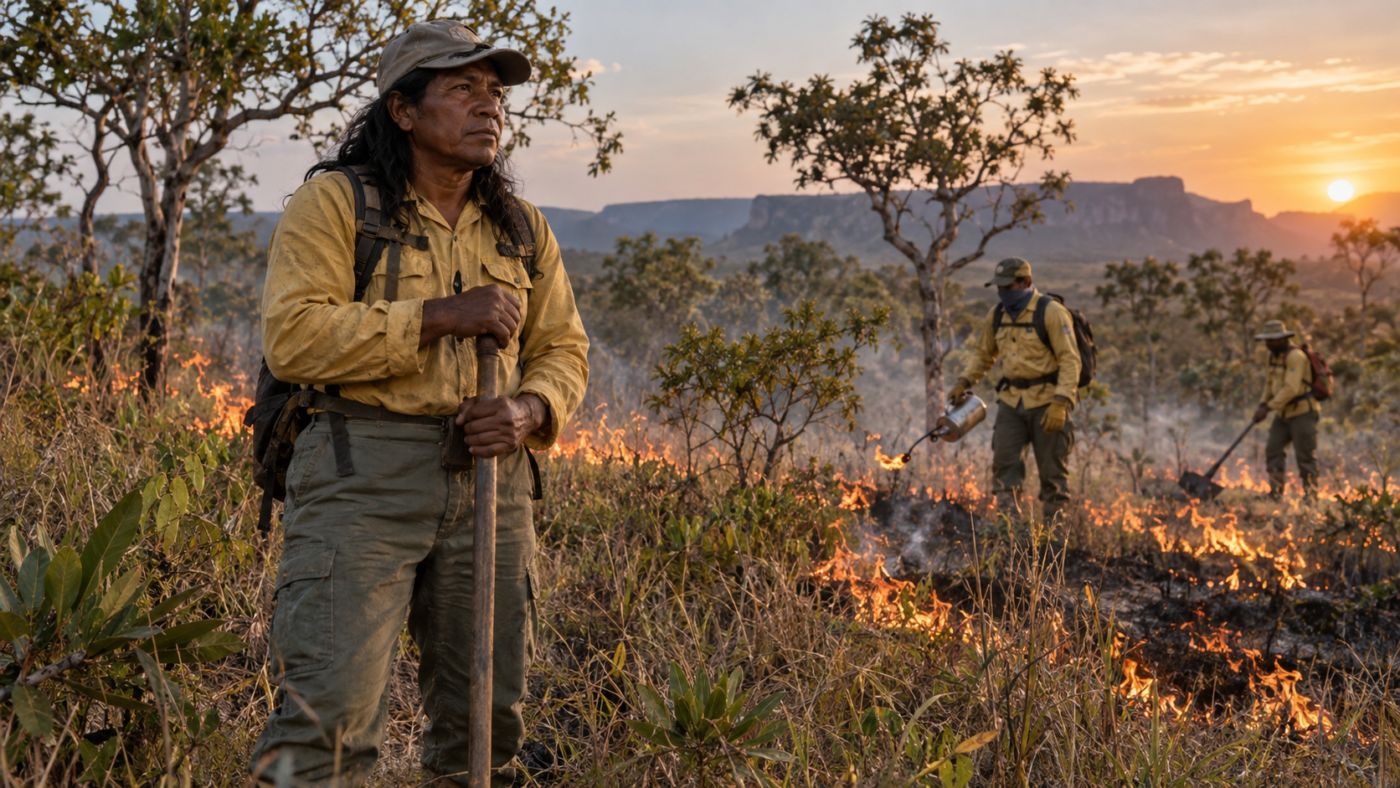
- Environmental preservation: Indigenous lands are the most protected areas of the Amazon. The Indigenous way of life prevents deforestation, conserves water, and protects biodiversity. Every pesticide-free garden, every respectful ritual, every ecological choice is an act of planetary resistance.
- Healing and spirituality: by sharing their medicines, Indigenous peoples are offering the world paths of healing, reconnection, and meaning. Rapéh, for example, is not just a product: it is a tool for inner silence, for the rediscovery of spirit.
- Ancestral wisdom: the modern world suffers from an excess of information and a lack of wisdom. Forest peoples offer not just data, but a different way of living, where time, nature, spirituality, and community are inseparable.
6. Alliances and the Standing Forest Economy
Many organizations, collectives, and projects like Queen of the Forest have built alliances with Indigenous peoples to strengthen this economy of the standing forest. Fair purchasing of products, respect for traditional production methods, and support for community projects are forms of collaborative work.
These alliances help generate income for villages and also promote education, health, food sovereignty, and environmental preservation.
7. Challenges and Resistance
Despite all this richness, Indigenous work is constantly threatened by invasions, deforestation, illegal exploitation of resources, prejudice, and lack of public policies.
Even so, the forest peoples continue resisting. They keep working, singing, praying, producing, teaching. Their very existence is both a political and spiritual act.
The Work That Sustains Life
The work of the Indigenous peoples of the Amazon is an example of how it is possible to live in relationship with the Earth rather than exploiting it. It reminds us that true work is not just about generating profit, but about sustaining life.
By supporting Indigenous products, consuming consciously, and respecting forest knowledge, we participate in a new kind of economy—one of reciprocity, care, and spirituality.
May we learn from the work of the forest peoples. May we rethink our values and reconnect with what is essential. Because when the forest works, the whole world breathes.
Axé, resistance, and gratitude,
Continue exploring
All stories
The medicines of the forest