

The Geometry of Prayer: When Shapes Speak to the Divine
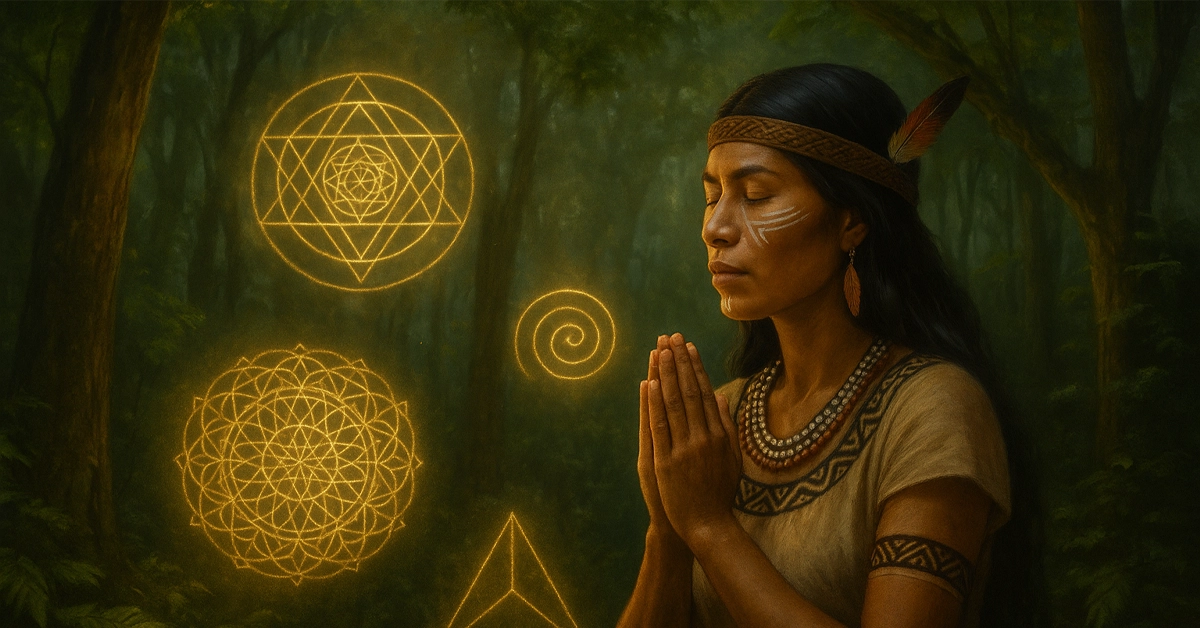
The geometry of prayer appears wherever humans use shapes, patterns, and symbols to express connection with something greater than themselves.
Across cultures and traditions, geometric forms have been used in temples, ceremonies, mandalas, textiles, architecture, sacred art, and ritual spaces. Circles, spirals, triangles, and symmetrical designs often carry symbolic meaning beyond decoration.
These shapes seem to communicate through proportion, rhythm, and visual harmony.
The geometry of prayer reveals humanity’s ancient intuition that patterns can carry spiritual meaning.
What Is the Geometry of Prayer?
The geometry of prayer refers to the symbolic and spiritual use of geometric forms in practices connected to reflection, ritual, meditation, and sacred expression.
Many traditions believe certain shapes help focus awareness, represent universal principles, or mirror patterns found throughout nature.
Geometry becomes a visual language of meaning.
Sacred Shapes Across Cultures
Geometric symbols appear throughout human history.
Circles, spirals, stars, grids, and symmetrical patterns can be found in Indigenous art, temples, cathedrals, textiles, and ceremonial objects.
This universal presence strengthens the significance of the geometry of prayer.
Humans naturally seek meaning through form and pattern.
The Circle as a Symbol of Unity
The circle is one of the oldest sacred symbols.
Without beginning or end, it often represents wholeness, continuity, and connection.
This symbolism makes the circle central to many interpretations of the geometry of prayer.
Spirals and Transformation
Spirals appear throughout nature in shells, galaxies, plants, and water movement.
Many traditions associate spirals with transformation, growth, and evolution.
This recurring pattern deepens the symbolic richness of the geometry of prayer.
Patterns Found in Nature
Nature itself is filled with geometric organization.
Leaves, flowers, crystals, rivers, and ecosystems often follow repeating mathematical structures.
This connection between nature and design contributes to the meaning of the geometry of prayer.
The forest itself contains hidden geometry.
Geometry and Human Awareness
Symmetry and proportion strongly influence human perception.
Certain patterns create feelings of balance, harmony, or focus.
This psychological response helps explain the emotional impact of the geometry of prayer.
Mandalas and Sacred Designs
Mandalas and ceremonial patterns often organize space through geometry.
These designs may serve as tools for meditation, concentration, or symbolic representation.
This intentional structure reflects another dimension of the geometry of prayer.
The Relationship Between Mathematics and Mystery
Geometry exists at the intersection of science, art, and symbolism.
Mathematical structures appear repeatedly throughout natural systems.
Scientific discussions related to sacred geometry explore how geometric forms have been interpreted spiritually and philosophically across civilizations.
This relationship continues inspiring both curiosity and reflection.
Connection with Forest Traditions
Many ancestral traditions observe recurring patterns in nature carefully.
Shapes, cycles, movement, and symmetry become part of understanding the living world.
For those exploring deeper awareness, our Rapéh Guide offers insights into grounding and respectful approaches inspired by natural observation.
You can also explore how to use rapéh as part of intentional routines connected to focus and reflection.
Experience the Language of Patterns
Geometry exists everywhere in nature — in rivers, trees, stars, flowers, and movement itself.
These patterns continue shaping how humans experience beauty, harmony, and meaning.
For adult practitioners exploring deeper awareness, Queen of the Forest offers sacred tools including our sacred rapéh collection and handcrafted kuripe applicators.
These tools should always be approached with respect and awareness.
When Shapes Become Prayer
The geometry of prayer reveals that humans have long expressed spiritual understanding through shape, symmetry, and pattern.
Geometry becomes more than mathematics — it becomes symbolic language connected to perception, reflection, and meaning.
And through these sacred forms, people continue searching for harmony between themselves, nature, and the mystery of existence.
What is the geometry of prayer?
It refers to the spiritual and symbolic use of geometric shapes in sacred traditions and reflection practices.
Why are circles considered sacred?
Circles often symbolize unity, continuity, and wholeness.
What is sacred geometry?
Sacred geometry explores symbolic meaning connected to mathematical patterns and shapes.
Why do geometric patterns feel meaningful?
Humans naturally respond to symmetry, rhythm, and repeating patterns found in nature.
Continue exploring
All stories
The medicines of the forest