Guarani People of South America: Culture, Spirituality & Ancient Wisdom
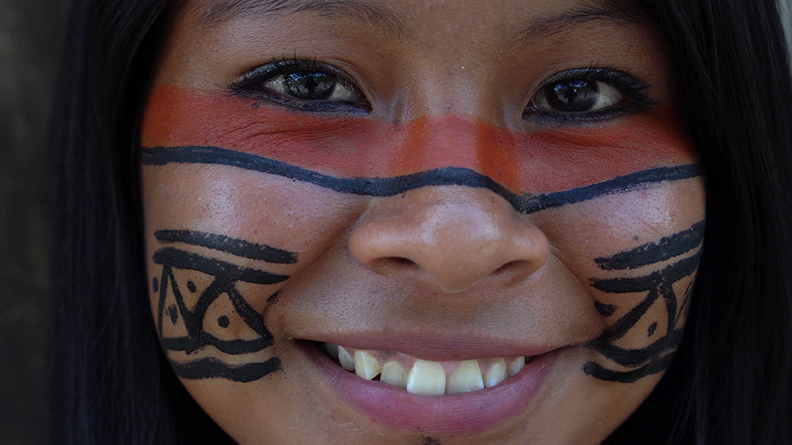
The Guarani people are one of the most important indigenous groups of South America, known for their deep spiritual connection to nature, rich cultural traditions, and enduring presence across Brazil, Paraguay, Argentina, and Bolivia. Today, the Guarani number in the hundreds of thousands across these four countries — and in Brazil, the Guarani remain the country’s most numerous Indigenous people, living in communities spread across seven states.
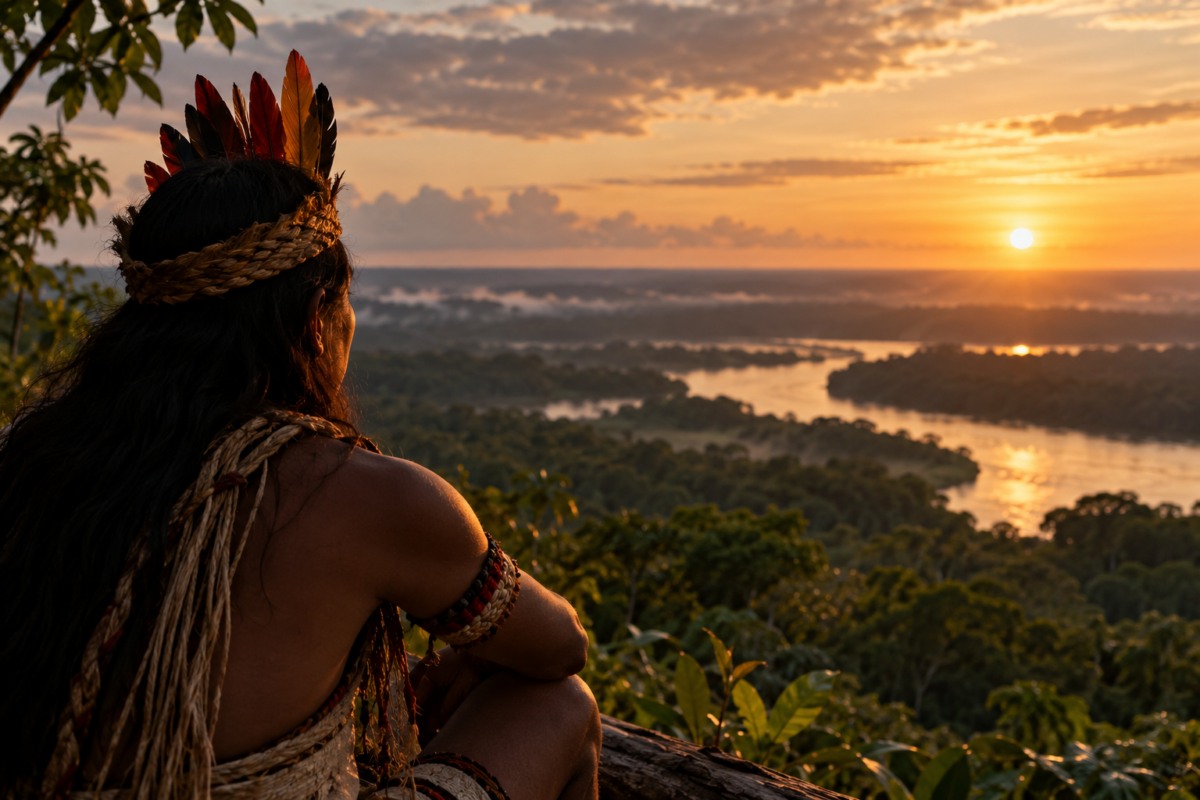
The Guarani tribe’s wisdom reflects a way of life rooted in harmony with the forest, where spirituality, community, and the natural world are deeply intertwined.
The Guarani Tribe: History & Spiritual World
The Tupi-Guarani are one of the most influential Indigenous peoples in South America, carrying a rich cultural, spiritual, and linguistic heritage that transcends borders. Spread across vast regions of Brazil, Paraguay, Uruguay, Bolivia, and Argentina, they share a worldview deeply connected to nature and the spirituality of the forest. However, like many Indigenous peoples, they face challenges that threaten their survival and traditions.
In this article, we explore the history, culture, beliefs, and contemporary struggles of the Tupi-Guarani people, highlighting their resilience and fight to preserve their identity in a constantly changing world.
Origins and History of the Tupi-Guarani
The Tupi-Guarani belong to one of the largest Indigenous linguistic families in South America, the Tupi peoples, whose presence dates back thousands of years before the arrival of Europeans on the continent. Their traditional territory extends from the Amazon to southern Brazil, Paraguay, Uruguay, and parts of Bolivia and Argentina.
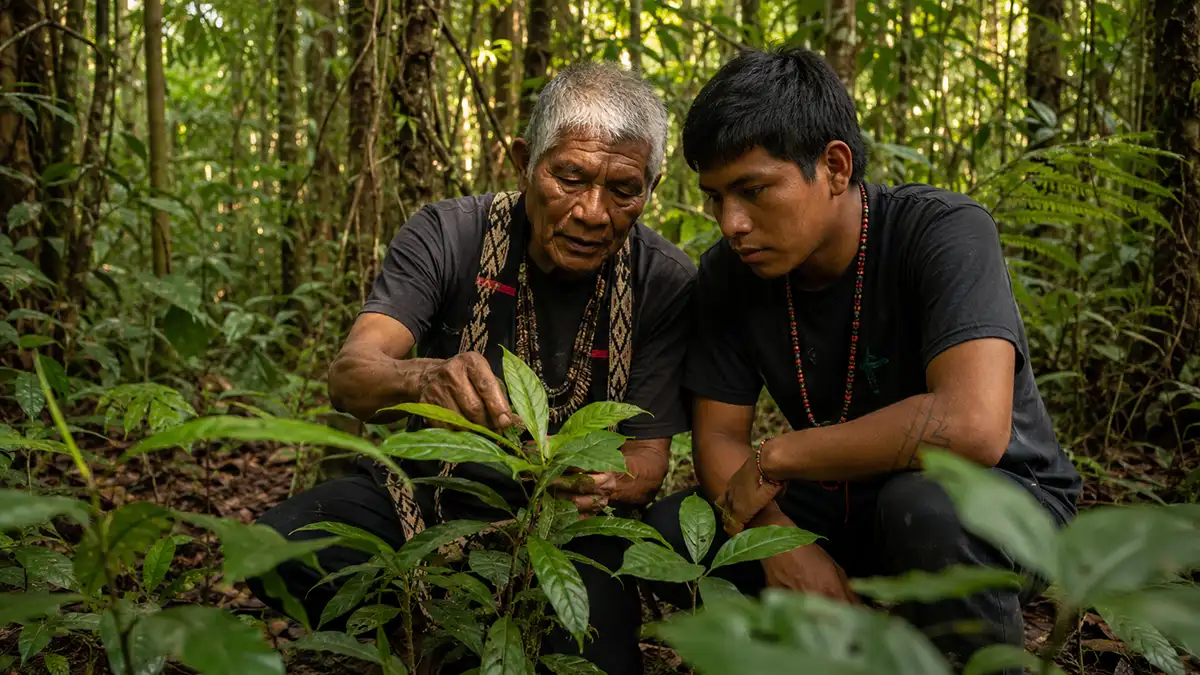
Before colonization, the Tupi-Guarani were semi-nomadic people, living off hunting, fishing, agriculture, and foraging. Their villages were established along rivers, where they cultivated cassava, corn, sweet potatoes, and other essential crops. Their relationship with the forest was always marked by respect and balance, and their botanical knowledge includes the use of medicinal plants for healing and spiritual rituals.
With the arrival of Europeans in the 16th century, the Tupi-Guarani suffered one of the most devastating impacts of colonization. Many were enslaved, killed by diseases brought by the colonizers, or forcibly removed from their lands. Despite this, their cultural influence remains alive in the Portuguese language, myths, and Brazilian folklore.
Tupi-Guarani Culture and Spirituality
Tupi-Guarani culture is rich in mythology, rituals, and spiritual practices that reflect their deep connection to nature and the cosmos. For them, the world is not just a physical space but a manifestation of spiritual forces that must be respected and understood.
The Guarani Language and Its Importance
The Guarani language is one of the most significant cultural legacies of this people — and one of the most widely spoken Indigenous languages in all of the Americas. In Paraguay, it is an official national language alongside Spanish, spoken by millions of people, taught in schools, and present in everyday life. In Brazil, despite not having the same official recognition, many Tupi-Guarani words are embedded in Portuguese vocabulary, especially in place names, animals, and natural elements, such as “Iguaçu” (big water), “Paraná” (similar to the sea), and “Pindorama” (land of palm trees).
Guarani Spiritual Beliefs and Deities
Tupi-Guarani mythology forms the spiritual backbone of Guarani culture — a rich cosmology of creation stories, mythical heroes, and protective spirits of the forest. At its center stands Nhanderu (Ñanderu, “Our Father”), the great creator who shaped the world and gave rise to the first human beings.
Around Nhanderu revolves a family of celestial beings: Kuarahy (the sun), associated with light, order, and masculine creative power; Jacy (the moon), the feminine luminary who governs cycles, plants, and the rhythms of life; and Tupã, the spirit of thunder, rain, and storms, whose voice rumbles across the sky. Another important figure is Karaí, one of the prophet-guardians of the Guarani people, who spiritually guides the community and teaches the ways of ancestral wisdom.
Central to Guarani spirituality is the belief in the Land Without Evil (Yvy Marã Eỹ) — a vision of a spiritual paradise where there is no suffering, disease, or oppression. For centuries, entire communities have organized their spiritual lives around the search for this sacred place, following the teachings of their spiritual leaders and walking, both literally and inwardly, toward Yvy Marã Eỹ.
Rituals and Sacred Medicine
Tupi-Guarani rituals involve chanting, dancing, and the use of medicinal plants for healing and spiritual connection. Sacred preparations such as rapéh are used across Amazonian traditions for spiritual cleansing, strengthening intuition, and connecting with ancestors — you can explore the full range of traditional rapéh blends prepared by Indigenous communities.
Tupi-Guarani traditional medicine is a treasure trove of knowledge about herbs and natural treatments. The use of plants like Jurema, utilized in shamanic ceremonies, and Sananga, a natural eye drop made from medicinal plant roots, is widely known among Indigenous healers of the Amazon.
The Guarani People Today: Land Rights and the Marco Temporal Struggle
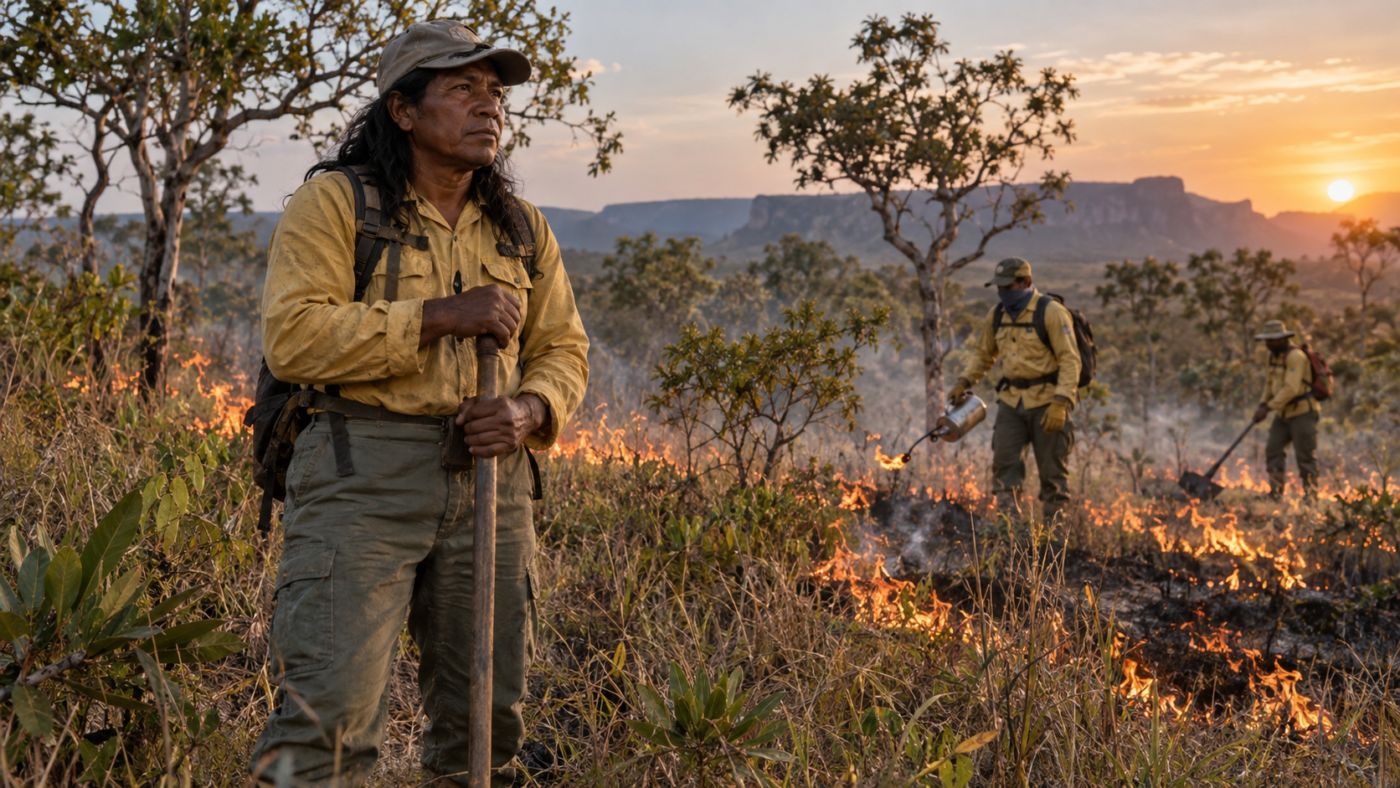
Unfortunately, the history of Tupi-Guarani resistance is marked by centuries of persecution, land loss, and threats to their culture. In Brazil, many Guarani communities live in territories contested by farmers, large corporations, and government projects that disregard their rights. The expansion of agribusiness, mining, and large hydroelectric projects has led to the destruction of sacred territories, and in regions like Mato Grosso do Sul, Guarani communities continue to face violent attacks while living in severely overcrowded reserves.
In recent years, this struggle has centered on the marco temporal (“time frame”) legal thesis — the claim that Indigenous peoples are only entitled to lands they physically occupied on October 5, 1988, the date of Brazil’s Constitution. Indigenous leaders argue this cutoff is profoundly unjust, since countless Guarani communities had already been violently expelled from their ancestral lands before that date.
In September 2023, Brazil’s Supreme Court rejected the marco temporal thesis as unconstitutional in a landmark case involving Guarani, Xokleng, and Kaingang peoples. Yet shortly afterward, Congress passed a law reinstating the time-frame restriction, and the constitutional battle remains unresolved — conciliation talks collapsed in mid-2025, and legal challenges are still pending before the Supreme Court. Throughout 2025 and into 2026, Indigenous peoples have mobilized nationwide, with mass demonstrations across Brazil demanding the law’s repeal and the protection of ancestral land rights.
The Struggle for Rights and Recognition
Despite the hardships, the Tupi-Guarani continue to resist. Indigenous leaders, activists, and international organizations have mobilized to secure land demarcation and protect Indigenous rights. Movements such as the March of Indigenous Women and the Articulation of Indigenous Peoples of Brazil (APIB) have gained strength in the fight for visibility and justice — and Indigenous voices played a prominent role at COP30, hosted in the Brazilian Amazon, pressing for demarcation and climate protection.
In some regions, Indigenous education projects are being implemented to ensure that new generations have access to traditional knowledge and can preserve their cultural identity. Bilingual Indigenous schools have emerged as a means to keep the Guarani language alive among younger generations.
The Future of the Tupi-Guarani and Cultural Preservation
Preserving the culture and land of the Tupi-Guarani is not only a matter of social justice but also essential for maintaining biodiversity and the ecological balance of the Amazon. Indigenous ancestral knowledge is crucial in combating climate change and protecting natural ecosystems.
Valuing Tupi-Guarani culture also involves spreading their stories, myths, and traditional knowledge. The growing interest in Indigenous spirituality has led many people to connect with sacred practices and seek a more harmonious relationship with nature.
If we want a sustainable future for humanity, we must learn from those who have inhabited and protected the forest for centuries. Supporting the struggle of the Tupi-Guarani means recognizing the importance of their culture and ensuring that their wisdom continues to illuminate the path for future generations.
The Tupi-Guarani are more than just an Indigenous people — they are guardians of ancient wisdom, protectors of the forest, and representatives of a worldview that prioritizes harmony between humans and nature. Although they face immense challenges, their resilience and spiritual connection continue to inspire those who recognize the value of cultural diversity and Indigenous heritage.
Queen of the Forest supports this cause by promoting the appreciation of Indigenous cultures and encouraging reconnection with ancestral wisdom. Honoring the Tupi-Guarani also means honoring the guardians of the forest and the richness of the peoples who inhabit it.
Guarani People FAQs
Who are the Guarani people?
The Guarani are an indigenous group of South America known for their rich spiritual traditions, language, and deep connection to the forest. They are Brazil’s most numerous Indigenous people, with communities also living in Paraguay, Argentina, and Bolivia.
Where do the Guarani people live?
The Guarani people live across Brazil, Paraguay, Argentina, and Bolivia, maintaining their cultural identity across borders. In Brazil, Guarani communities are spread across seven states, with major populations in Mato Grosso do Sul and the southern coastal regions.
What is Guarani spirituality?
Guarani spirituality is centered on harmony with nature, ancestral wisdom, and a deep connection with the natural and spiritual worlds. Its cosmology includes the creator Nhanderu, the sun Kuarahy, the moon Jacy, and the thunder spirit Tupã.
What is the Land Without Evil (Yvy Marã Eỹ)?
Yvy Marã Eỹ, the Land Without Evil, is a central concept in Guarani spirituality — a sacred place free of suffering, disease, and oppression. For centuries, Guarani communities have organized their spiritual lives around the search for this paradise, guided by their spiritual leaders.
What is the marco temporal and how does it affect the Guarani?
The marco temporal is a legal thesis claiming Indigenous peoples only have rights to lands they occupied on October 5, 1988. Brazil’s Supreme Court rejected it as unconstitutional in 2023, but Congress passed a law reinstating it, and the constitutional dispute remains unresolved — directly affecting Guarani land demarcation across Brazil.
Do the Guarani use sacred medicines?
Like many indigenous cultures, the Guarani have traditions involving sacred plants and medicines used for healing and spiritual purposes, including ceremonial chanting, medicinal herbs, and plant preparations passed down through generations.
Continue exploring
All stories
The medicines of the forest