Os Indios do Brasil
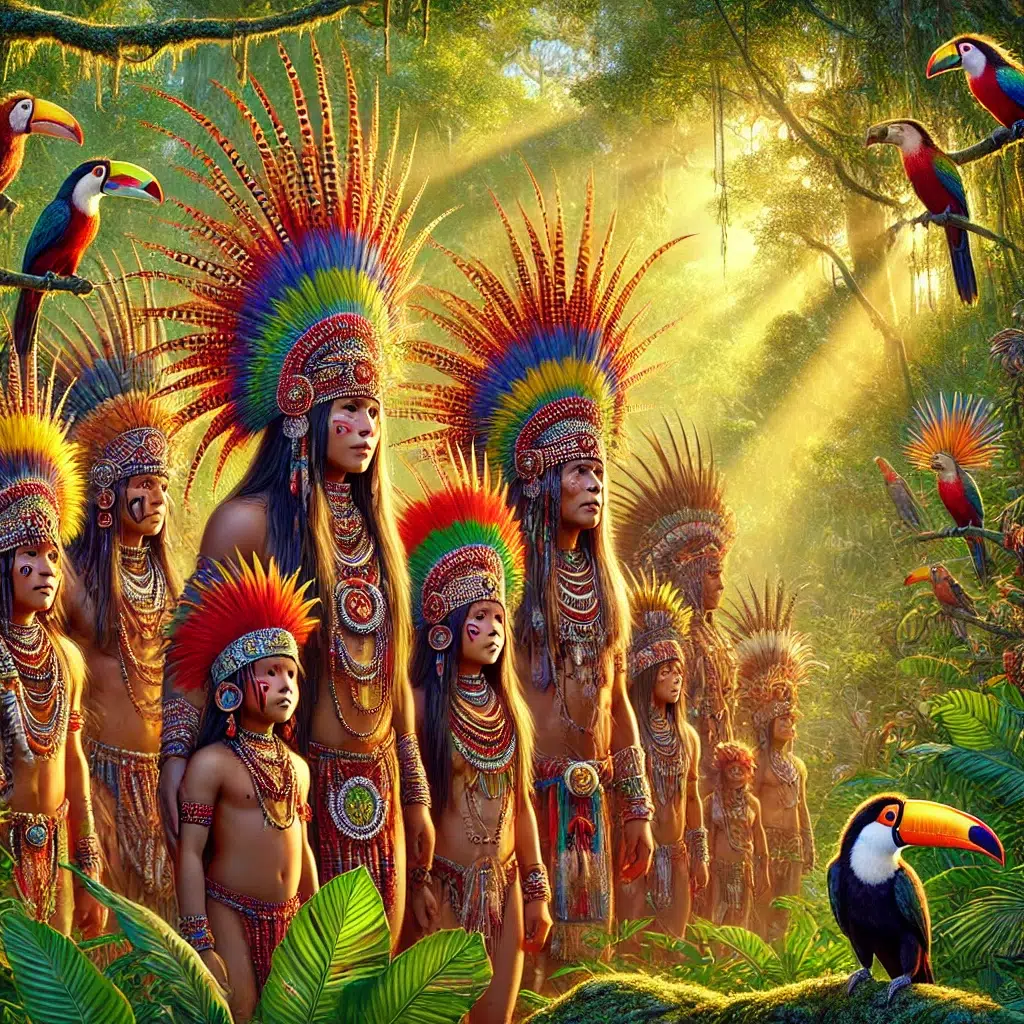
The Indigenous Peoples of Brazil: Guardians of Ancient Wisdom, Sacred Medicines, and the Amazon Rainforest
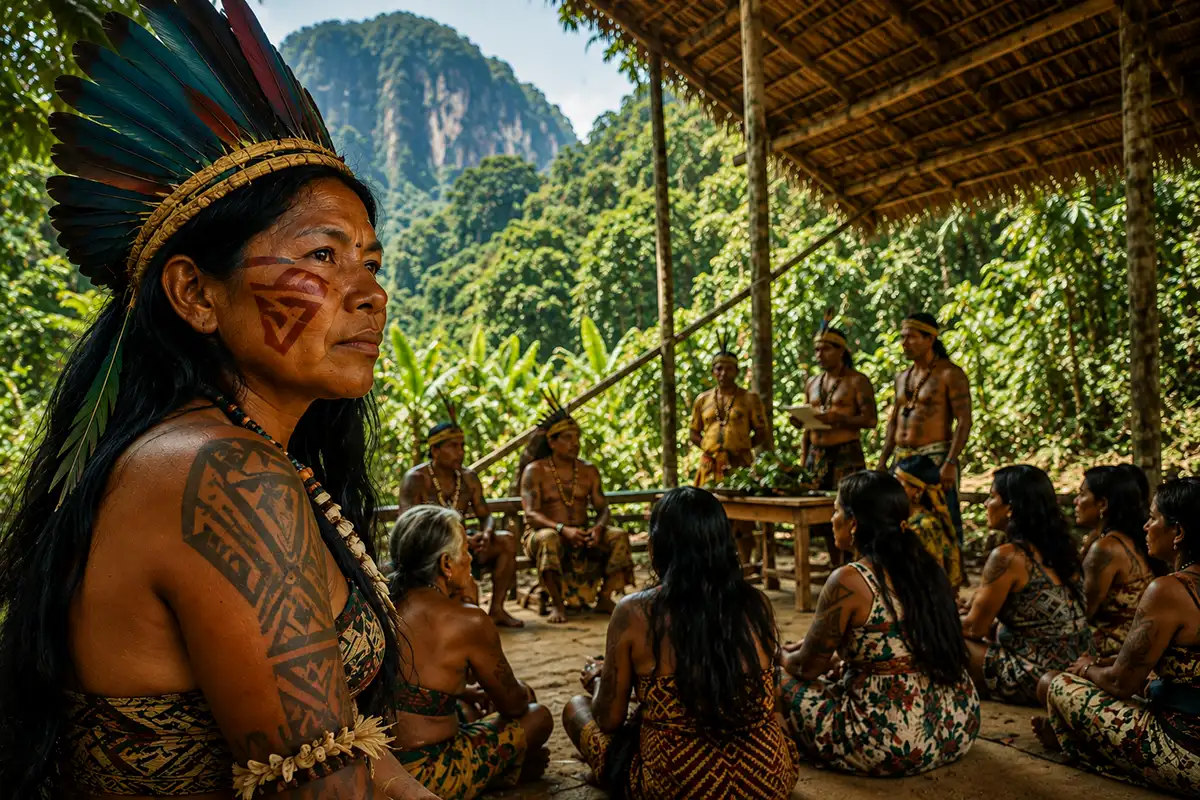
Brazil is home to one of the greatest concentrations of Indigenous cultures on Earth. Long before the arrival of Europeans, thousands of communities lived throughout the forests, rivers, mountains, savannas, and coastal regions that would eventually become modern Brazil. These peoples developed sophisticated systems of knowledge, agriculture, medicine, spirituality, art, governance, and environmental stewardship that continue to influence the world today.
While many people think of Indigenous cultures as belonging only to the distant past, the reality is very different. Indigenous nations remain active throughout Brazil, preserving languages, ceremonies, ecological knowledge, and traditional ways of understanding the world. Their wisdom continues to inspire not only anthropologists and historians, but also environmentalists, healers, spiritual seekers, and anyone interested in humanity’s relationship with nature.
For those who feel called to learn about the traditions of the Amazon, understanding the Indigenous peoples of Brazil is essential. The sacred medicines, songs, stories, ceremonies, and teachings that have attracted global attention did not appear in isolation. They emerged from communities that have spent countless generations living in deep relationship with the rainforest.
Many of the traditions associated with Rapéh, one of the most respected sacred preparations of the Amazon, originate within Indigenous cultures that continue to preserve and transmit this knowledge today. To understand the medicine, we must also understand the people, the land, and the traditions from which it emerged.
Indigenous Brazil Before European Contact
Before Portuguese ships arrived on the coast of South America in the year 1500, Brazil was already home to millions of Indigenous people. Historians estimate that several million individuals inhabited the territory, living in thousands of villages spread across an immense and ecologically diverse landscape.
These societies were not a single people sharing one language or culture. Rather, they formed a vast mosaic of nations, each possessing its own traditions, spiritual beliefs, social structures, territories, and systems of knowledge. Along the Atlantic coast lived many Tupi-speaking peoples. In the central regions lived groups associated with Macro-Jê linguistic families. Throughout the Amazon flourished countless communities belonging to Arawak, Carib, Panoan, Tukanoan, and many other language groups.
Each nation possessed detailed knowledge of local ecosystems. They understood seasonal cycles, river dynamics, animal migrations, medicinal plants, agricultural techniques, and methods of sustainable resource management. Their knowledge systems emerged not from laboratories but from centuries of direct observation and participation in the living world around them.
Far from being isolated or primitive societies, many Indigenous peoples maintained extensive trade networks, sophisticated ceremonial traditions, artistic practices, and forms of governance that enabled communities to flourish across diverse environments.
Today, archaeological discoveries continue to challenge outdated assumptions about pre-colonial Amazonia. Evidence increasingly suggests that large populations, complex settlements, and sophisticated land management systems existed throughout regions once believed to be sparsely populated wilderness. The story of Indigenous Brazil is therefore not only a story of survival but also a story of innovation, adaptation, and cultural richness.
The Diversity of Indigenous Peoples in Brazil
Modern Brazil officially recognizes hundreds of Indigenous ethnic groups and more than 170 Indigenous languages. Some communities continue to live deep within the rainforest, while others inhabit rural areas, river communities, and even major cities. Some maintain highly traditional ways of life, while others balance Indigenous identity with participation in contemporary Brazilian society.
Among the many Indigenous nations of Brazil are the Huni Kuin (Kaxinawá), Yawanawá, Katukina, Nukini, Kuntanawa, Puyanawa, Shanenawa, Apurinã, Ashaninka, Guarani, Yanomami, Kayapó, Tikuna, Xavante, and many others.
Each nation possesses its own worldview, stories, songs, ceremonies, language, artistic expressions, and relationship with the natural world. Some are renowned for sacred songs and spiritual traditions. Others are known for body painting, beadwork, forest knowledge, agricultural systems, or cultural resilience.
This diversity represents one of Brazil’s greatest cultural treasures. Yet many Indigenous peoples have faced enormous challenges since European colonization, including disease, displacement, land conflicts, forced assimilation, and the loss of traditional territories. Despite these pressures, many communities continue to preserve and revitalize their cultures, passing ancestral knowledge to younger generations.
Across Brazil, Indigenous leaders, elders, educators, and youth are working to strengthen language preservation, cultural memory, environmental protection, and community self-determination. Their efforts help ensure that ancient traditions remain living traditions rather than historical artifacts.
Languages, Oral Traditions, and Cultural Memory
One of the most remarkable aspects of Indigenous cultures is the importance of oral tradition. For countless generations, knowledge was transmitted not through books but through stories, songs, ceremonies, direct experience, and relationships between elders and younger members of the community.
Stories often serve many functions simultaneously. They preserve history, communicate ethical teachings, explain relationships with animals and plants, transmit spiritual understanding, and help maintain cultural identity. Through storytelling, communities pass on collective memory and ensure that important knowledge survives across generations.
Music also plays a central role in many Indigenous traditions. Songs may be used in ceremonies, celebrations, healing practices, rites of passage, and spiritual work. To outside observers they may appear to be simple expressions of culture, but within Indigenous communities they often carry deep symbolic and spiritual significance.
Language itself contains unique ways of understanding reality. When an Indigenous language disappears, humanity loses not only words but also perspectives, ecological knowledge, stories, and ways of relating to the world. This is one reason why language preservation has become such an important priority for many Indigenous communities throughout Brazil.
Today, many nations are actively teaching younger generations their ancestral languages, documenting oral histories, recording songs, and preserving traditional knowledge so that future generations can continue to benefit from this cultural inheritance.
Indigenous Knowledge and Sacred Medicines
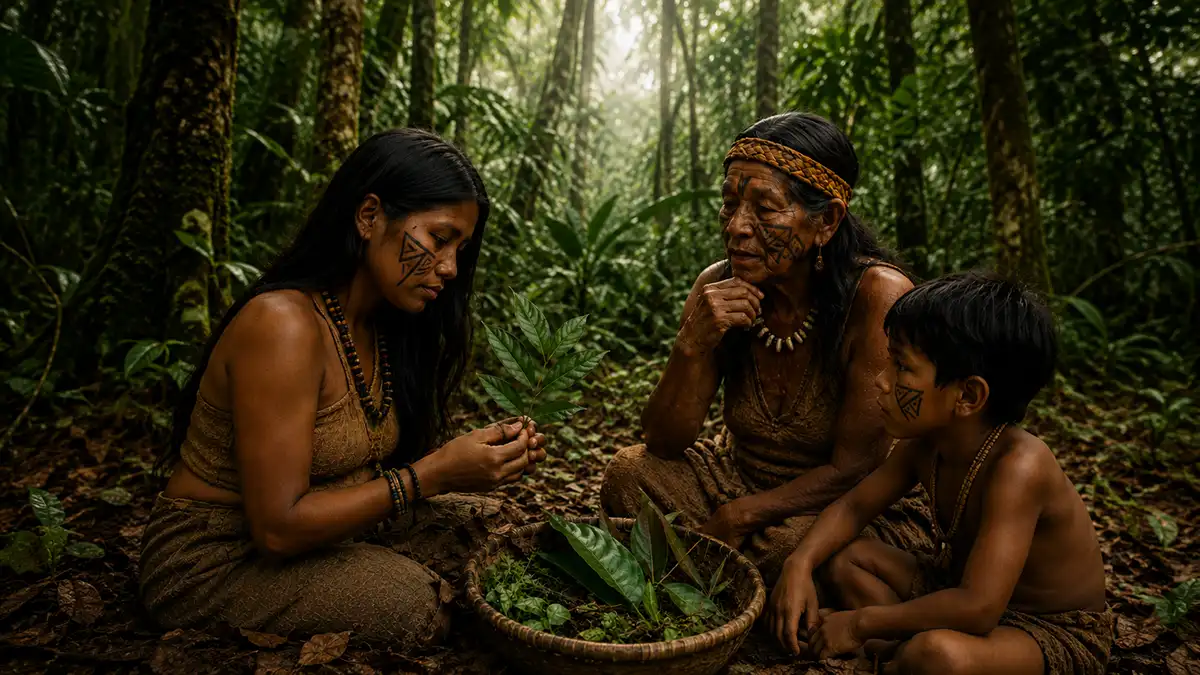
Perhaps one of the greatest contributions of Indigenous peoples to humanity is their extraordinary knowledge of plants and natural medicines. For thousands of years, Indigenous communities have carefully observed, cultivated, and worked with the immense botanical diversity of the Amazon rainforest.
Many foods and medicinal plants known throughout the world today were first cultivated, utilized, or understood through Indigenous knowledge systems. Cassava, cacao, tobacco, peppers, guaraná, and countless medicinal plants have deep roots within Indigenous cultures.
For many Indigenous peoples, however, plants are not viewed merely as biological resources. They are often understood as living beings that participate in a larger web of relationships. This perspective creates a fundamentally different relationship between humans and nature—one based on reciprocity, respect, gratitude, and listening.
Among the most widely recognized sacred preparations emerging from Amazonian traditions is Rapéh. Traditionally prepared using finely powdered tobacco and sacred plant ashes, Rapéh has been used by various Indigenous peoples in contexts of prayer, grounding, focus, meditation, ceremony, and spiritual alignment.
If you are new to this tradition, we recommend beginning with our educational guides:
These resources provide a strong foundation for understanding one of the Amazon’s most respected ceremonial traditions while encouraging a respectful and informed approach.
The Relationship Between Indigenous Peoples and the Rainforest
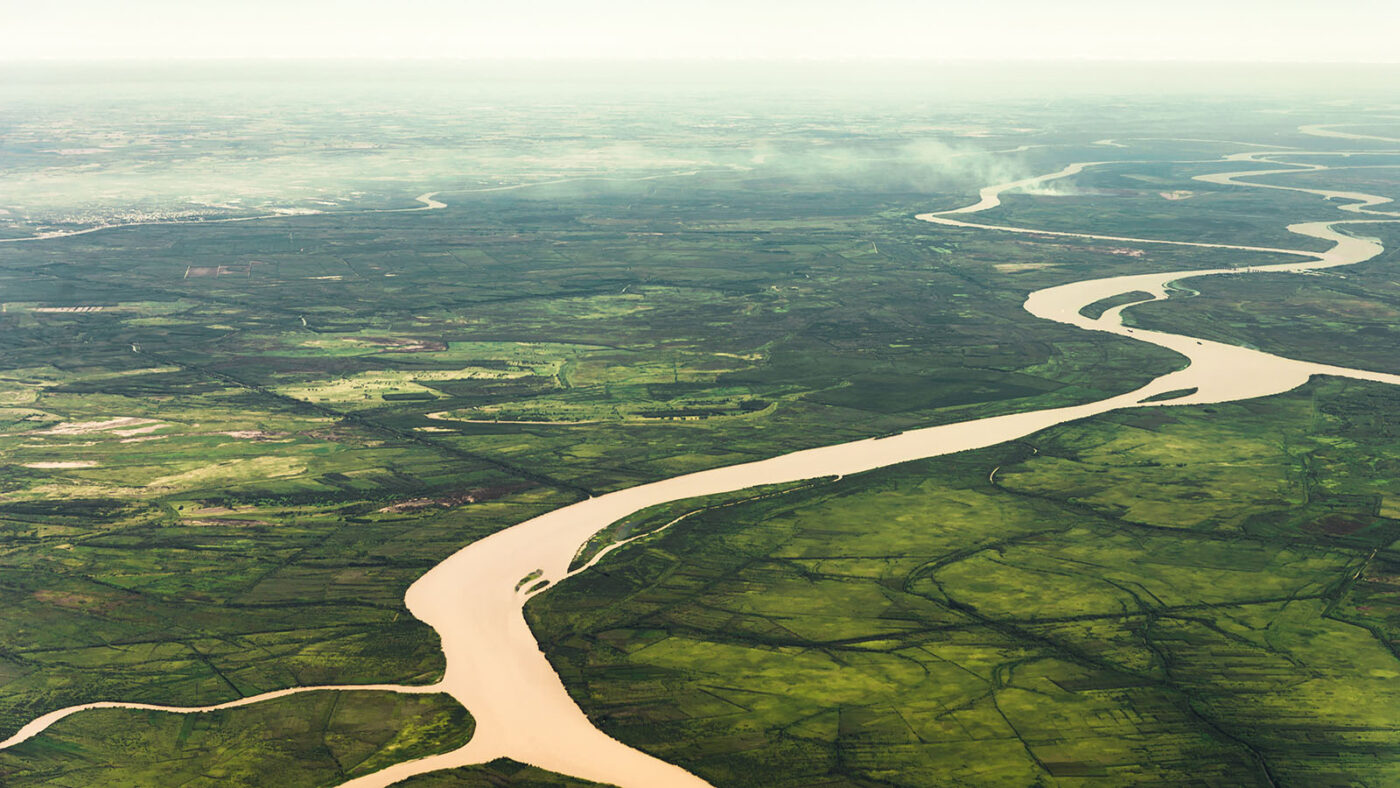
To understand Indigenous cultures of Brazil, it is impossible to separate them from the ecosystems in which they developed. For many communities, the rainforest is not simply a collection of resources waiting to be exploited. It is a living world composed of relationships.
The rivers provide food, transportation, stories, and identity. The trees provide medicine, shelter, tools, and teachings. Animals appear in myths, ceremonies, dreams, and cultural memory. Human beings are not viewed as separate from nature but as participants within a larger web of life.
This worldview has enabled many Indigenous peoples to maintain sustainable relationships with complex ecosystems for countless generations. Rather than seeking to dominate nature, traditional practices often emphasize balance, reciprocity, responsibility, and gratitude.
Today, Indigenous territories remain among the most effective barriers against deforestation in the Amazon. Numerous studies have shown that forests protected by Indigenous communities often preserve biodiversity more successfully than surrounding areas.
This reality highlights an important truth: protecting Indigenous peoples and protecting the rainforest are deeply interconnected goals. The future of the Amazon is inseparable from the future of the communities that have cared for it for generations.
To learn more about the role Indigenous communities play in safeguarding both traditional knowledge and rainforest ecosystems, we invite you to read The Guardians of the Forest.
Indigenous Spirituality and the Living World
Although each Indigenous nation has its own spiritual path, many Amazonian traditions share a deep understanding that life is interconnected. The visible and invisible worlds are not always seen as separate. Dreams, songs, plants, animals, ancestors, rivers, stars, and forest spirits may all carry teachings, warnings, blessings, or responsibilities.
In many communities, spirituality is not confined to a temple or a single day of worship. It is woven into daily life. Planting, harvesting, hunting, fishing, storytelling, healing, singing, body painting, and gathering around the fire may all carry spiritual meaning. The sacred is not distant. It lives in the rhythm of the forest, in the breath of the people, and in the relationship between community and nature.
This worldview helps explain why sacred medicines are approached with respect, prayer, and intention. They are not simply substances. They are part of a living relationship between the person, the community, the forest, and the spiritual forces that guide life.
To explore this worldview more deeply, visit our guide to The Spirituality of the Indigenous Peoples of the Amazon.
Rapéh, Sacred Breath, and Indigenous Tradition
Rapéh is one of the sacred preparations associated with several Indigenous peoples of the Amazon. While each lineage has its own way of preparing and working with the medicine, Rapéh is often connected with breath, silence, grounding, prayer, and focus.
Traditionally, Rapéh may be applied with a pipe known as a kuripe for self-application, or a tepi when offered by another person in a ceremonial context. These tools are not merely accessories. They represent intention, respect, and the conscious movement of breath.
If you are learning about these tools, we recommend reading Kuripe vs Tepi, What Is a Kuripe?, and What Is a Tepi?.
At Queen of the Forest, we encourage visitors to approach Rapéh with humility. It should not be reduced to a trend, novelty, or quick experience. It belongs to living cultural traditions and deserves to be understood within the larger context of Indigenous knowledge and forest relationship.
When you are ready to explore different blends, visit our Sacred Rapéh collection, where you can discover traditional blends connected to different tribes, plants, ashes, and intentions.
Some Indigenous Peoples Featured at Queen of the Forest
Queen of the Forest has shared educational content, sacred products, artisan work, and cultural stories connected to several Indigenous peoples of Brazil and the Amazon. Each people has its own path, and no short article can fully represent the depth of their traditions. Still, these introductions can serve as doorways for further learning.
Huni Kuin / Kaxinawá
The Huni Kuin, also known historically as Kaxinawá, are one of the most recognized Indigenous peoples of the Brazilian and Peruvian Amazon. They are known for sacred songs, body painting, visionary artwork, traditional medicines, and a profound relationship with the forest.
Their cultural traditions have inspired people throughout the world, especially through their music, ceremonies, and artistic expressions. Learn more in our article about the Kaxinawá people.
Yawanawá
The Yawanawá people are widely known for cultural revitalization, ceremony, music, and the preservation of traditional knowledge. Their story has inspired many people who seek a deeper relationship with the Amazon and its spiritual traditions.
Through festivals, songs, leadership, and community initiatives, the Yawanawá have become one of the most visible Indigenous nations connected to the spiritual renaissance of the Amazon. Explore our content about the Yawanawá people.
Kuntanawa
The Kuntanawa people carry a powerful story of cultural remembrance and renewal. Like many Indigenous nations, they have faced immense historical challenges while working to preserve language, territory, spirituality, and ancestral identity.
Their story reminds us that Indigenous culture is not frozen in the past. It can be recovered, strengthened, and carried forward through courage, memory, ceremony, and community devotion. Read more about the Kuntanawa tribe.
Puyanawa
The Puyanawa people have worked to recover and strengthen their cultural identity after generations of colonial pressure. Their journey reflects a broader movement among Indigenous peoples throughout Brazil: the return to language, tradition, ceremony, and collective memory.
Learning about the Puyanawa helps us understand how resilience and cultural renewal remain central to Indigenous life today. Visit our article about the Puyanawa tribe.
Guarani
The Guarani are one of the largest Indigenous peoples in South America, with communities across Brazil, Paraguay, Argentina, and Bolivia. Their spirituality, songs, and relationship with land continue to influence Indigenous movements throughout the continent.
The Guarani remind us that Indigenous Brazil is not limited to the Amazon rainforest. Indigenous presence extends across many regions, ecosystems, and histories. Read more about the Guarani people of Brazil.
Katukina, Nukini, Shanenawa, Apurinã, and Other Peoples
Several other Indigenous peoples are deeply connected to the traditions, medicines, and cultural knowledge shared through Queen of the Forest. These include the Katukina, Nukini, Shanenawa, Apurinã, and others whose names appear through sacred Rapéh blends, forest medicines, and cultural references.
Some of these pages are still being developed as part of our effort to create a stronger educational library about the peoples behind the medicines. As these guides grow, this page will continue to serve as a doorway into deeper tribe-specific learning.
Why Indigenous Cultures Matter Today
The modern world is facing environmental destruction, social fragmentation, spiritual exhaustion, and a deep disconnection from nature. Indigenous peoples do not exist to solve these problems for the rest of humanity, and their traditions should never be romanticized or appropriated. Still, their ways of life remind us that another relationship with the Earth is possible.
Many Indigenous teachings point toward reciprocity. The forest gives, but human beings must also give back. Plants nourish, but they must be respected. Rivers sustain life, but they must not be poisoned. Animals feed communities, but they must not be treated as objects without spirit.
This perspective is not merely spiritual. It is practical. It has allowed many Indigenous communities to maintain relationships with complex ecosystems for generations. In a time of climate crisis, cultural confusion, and ecological imbalance, Indigenous knowledge deserves protection, respect, and careful listening.
Queen of the Forest and the People of the Rainforest
Queen of the Forest was created with a mission that goes beyond commerce. Our work is rooted in relationship with the peoples of the rainforest, respect for sacred traditions, and a desire to help preserve Indigenous knowledge through ethical trade, education, and cultural appreciation.
We believe that people who feel called to forest medicines should also learn about the communities that carry these traditions. Sacred medicines, beadwork, songs, stories, and ceremonial tools are not isolated objects. They are expressions of living cultures.
To understand this mission more deeply, visit Inside Queen of the Forest: Our Mission With the People of the Rainforest.
Explore More Indigenous Traditions and Sacred Medicines
If this article awakened your curiosity, we invite you to continue learning through the following resources:
- What Is Rapéh?
- How to Use Rapéh
- Best Rapéh for Beginners
- Rapéh Benefits
- How to Choose Rapéh
- Explore Sacred Rapéh Blends
- The Spirituality of the Indigenous Peoples of the Amazon
- The Guardians of the Forest
- Our Mission With the People of the Rainforest
Frequently Asked Questions About the Indigenous Peoples of Brazil
Who are the Indigenous peoples of Brazil?
The Indigenous peoples of Brazil are the original peoples of the land now known as Brazil. They include hundreds of distinct nations, each with its own language, culture, history, and relationship with the natural world.
How many Indigenous peoples live in Brazil today?
Brazil officially recognizes hundreds of Indigenous ethnic groups and more than 170 Indigenous languages. Indigenous communities live in the Amazon, the Cerrado, coastal regions, rural areas, and urban centers.
What is the relationship between Indigenous peoples and the Amazon rainforest?
Many Indigenous peoples have lived in close relationship with the rainforest for generations. Their territories are often among the best preserved areas of forest, making Indigenous land protection essential for rainforest conservation.
Are Indigenous traditions still alive in Brazil?
Yes. Despite centuries of colonization and cultural pressure, many Indigenous nations continue to preserve and revitalize their languages, ceremonies, songs, medicines, and traditional knowledge.
How is Rapéh connected to Indigenous traditions?
Rapéh is a sacred preparation associated with several Amazonian Indigenous peoples. It is traditionally used in contexts of prayer, grounding, silence, focus, and ceremonial practice. To learn more, begin with our guide on What Is Rapéh?.
How can people support Indigenous communities respectfully?
People can support Indigenous communities by learning about their cultures, respecting their traditions, avoiding appropriation, supporting ethical projects, and recognizing the importance of Indigenous land rights and cultural preservation.
The story of Brazil’s Indigenous peoples is not only a story of the past. It is a living story of survival, wisdom, beauty, resistance, and renewal. To honor these peoples is to honor the forest itself—and to remember that humanity’s future may depend on listening to those who never forgot how to live in relationship with the Earth.
Continue exploring
All stories
The medicines of the forest