

Forest People
Why Indigenous Hunters Move Silently Through the Forest
Mar
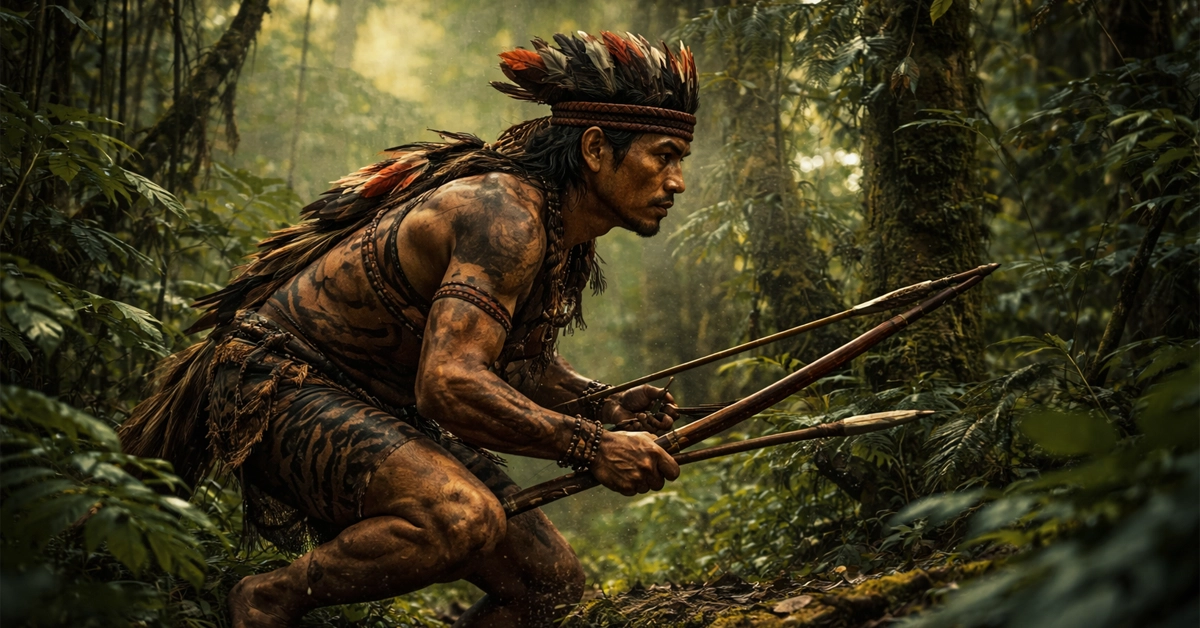
7 Indigenous Hunting Techniques: How Hunters Move Silently Through the Forest
Indigenous hunting techniques are among the most refined and effective ways of moving through the forest. Developed over generations, these techniques allow hunters to walk silently, observe deeply, and move in harmony with the environment.
To an untrained eye, the forest may seem chaotic and dense. But for indigenous hunters, it is a living system filled with signals, rhythms, and pathways. Understanding indigenous hunting techniques reveals not only survival skills, but a deeper relationship with nature.
This awareness is closely related to what we explore in the invisible language of the forest.
What Are Indigenous Hunting Techniques?
Indigenous hunting techniques are methods used by forest peoples to track, approach, and observe animals without disturbing the environment. These techniques are based on silence, patience, awareness, and respect for nature.
They involve understanding animal behavior, reading subtle signs, and moving in a way that blends with the surroundings.
7 Indigenous Hunting Techniques for Silent Movement
1. Controlled Breathing
Breathing slowly and evenly helps maintain calmness and prevents unnecessary noise. This is one of the foundations of indigenous hunting techniques.
2. Soft Foot Placement
Hunters place their feet carefully, avoiding dry leaves and branches that could make noise.
3. Awareness of Wind Direction
Moving against the wind helps prevent animals from detecting scent.
4. Slow and Intentional Movement
Instead of rushing, hunters move slowly, blending into the environment.
5. Use of Natural Cover
Trees, shadows, and terrain are used to remain unseen.
6. Listening Before Moving
Hunters often pause to listen before taking the next step.
7. Reading Animal Signs
Tracks, broken branches, and sounds provide information about animal presence.
Why Indigenous Hunters Move Silently
Silence is essential in the forest. Animals are highly sensitive to sound, movement, and scent. The ability to move silently increases the chances of a successful hunt.
But beyond practicality, silence also reflects respect. Many traditions see hunting not as domination, but as a relationship with the forest.
This perspective connects with the deeper understanding of indigenous hunting techniques as a form of awareness rather than control.
The Role of Awareness in the Forest
Indigenous hunters develop a heightened sense of awareness. They observe patterns, sounds, and subtle changes in the environment.
This awareness is not limited to hunting. It is part of daily life in the forest and reflects a deep connection with nature.
Practices that enhance awareness, such as intentional breathing and grounding, can support this connection. Some people explore this through tools like rapéh, which is traditionally used for focus and clarity.
Using a kuripe applicator allows for a more intentional and personal experience.
Indigenous Knowledge and Respect for Nature
Indigenous hunting techniques are part of a broader system of knowledge that emphasizes balance and respect. The forest is not seen as a resource to exploit, but as a living environment to coexist with.
This approach ensures sustainability and preserves ecosystems for future generations.
Lessons We Can Learn from Indigenous Hunters
Modern life often disconnects people from their environment. Learning from indigenous hunting techniques can help restore awareness, patience, and respect for nature.
These lessons go beyond hunting. They apply to how we move, observe, and interact with the world.
Indigenous hunting techniques reveal a way of moving through the forest that is silent, aware, and deeply connected. They remind us that survival is not only about skill, but about relationship.
By understanding these techniques, we gain insight into a way of life that values balance, respect, and harmony with nature.
What are indigenous hunting techniques?
They are traditional methods used by indigenous peoples to hunt and move silently through nature.
Why is silence important in hunting?
Silence prevents animals from detecting the hunter.
Can these techniques be learned?
Yes, with practice and awareness, many principles can be applied.
Are these techniques sustainable?
Yes, they are based on balance and respect for ecosystems.
Related Reading
Explore more in our Rapéh Guide and our collection of sacred rapéh.
For broader context, see this overview on hunting.
🌿 Enter the Forest
Receive occasional transmissions from the rainforest — sacred medicines, stories, fresh arrivals, and ceremonial wisdom.
No noise — only occasional letters from the forest. Unsubscribe anytime.