Amazon on the Edge: The Race to Save the World’s Lungs
Amazon on the Edge: The Urgent Race to Protect the Rainforest
Amazon on the edge reflects the growing concern surrounding the future of the world’s largest rainforest.
The Amazon plays a critical role in biodiversity, rainfall regulation, carbon storage, and climate balance across South America and beyond. Yet increasing deforestation, fires, illegal extraction, and environmental pressure continue threatening its stability.
Scientists, Indigenous communities, environmental organizations, and governments are now warning about the risks of reaching irreversible ecological damage.
Amazon on the edge is not only an environmental issue — it is a global question about balance, responsibility, and survival.
Why the Amazon Matters
The Amazon rainforest contains one of the richest concentrations of biodiversity on Earth.
Millions of plant, animal, fungal, and insect species depend on its ecosystems.
The forest also helps regulate rainfall patterns and absorb large amounts of carbon dioxide.
This ecological importance explains why discussions around Amazon on the edge have become increasingly urgent.
The Threat of Deforestation
Deforestation remains one of the greatest dangers facing the Amazon.
Large areas of forest are cleared for agriculture, mining, logging, and infrastructure development.
This destruction fragments ecosystems and reduces biodiversity.
It is one of the central concerns connected to Amazon on the edge.
The Amazon Tipping Point
Scientists have warned about the possibility of an ecological tipping point.
If enough forest is destroyed, parts of the Amazon may lose their ability to sustain rainforest conditions.
This could transform sections of the ecosystem into drier environments.
The possibility of this transition is a major part of the discussion surrounding Amazon on the edge.
Climate Change and Rainfall Cycles
The Amazon influences weather patterns far beyond the rainforest itself.
Trees release enormous amounts of moisture into the atmosphere, helping generate rainfall across regions.
Changes to the forest directly affect these cycles.
This relationship strengthens the global importance of Amazon on the edge.
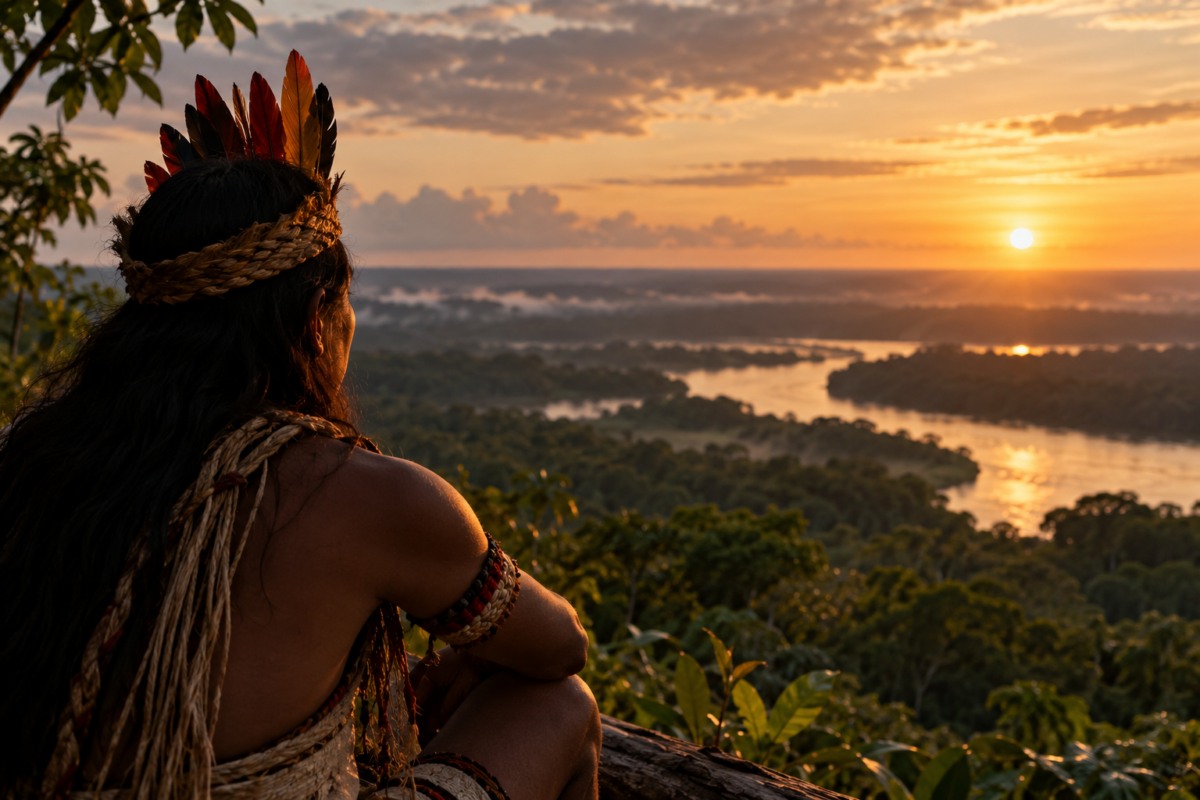
Indigenous Communities and Forest Protection
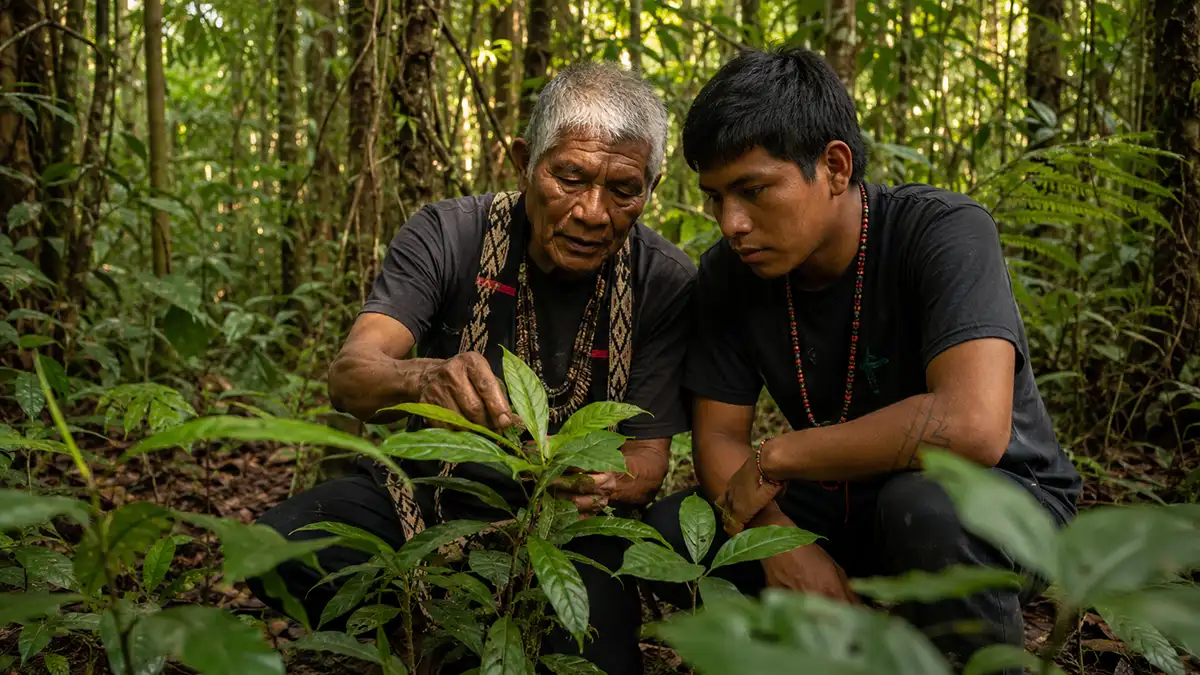
Many Indigenous communities have protected forest territories for generations.
Traditional knowledge often emphasizes balance, respect for ecosystems, and sustainable relationships with the environment.
These communities play a crucial role within the conversation about Amazon on the edge.
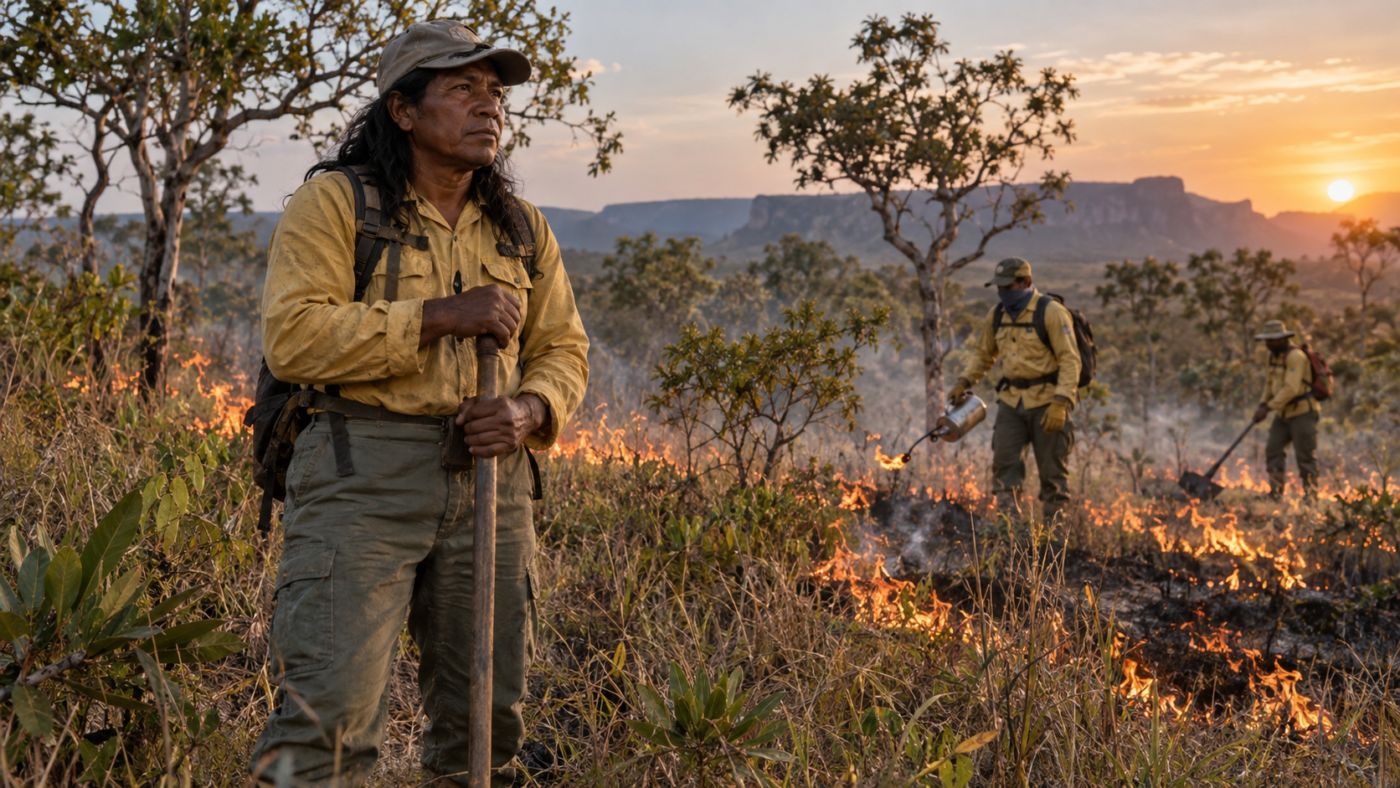
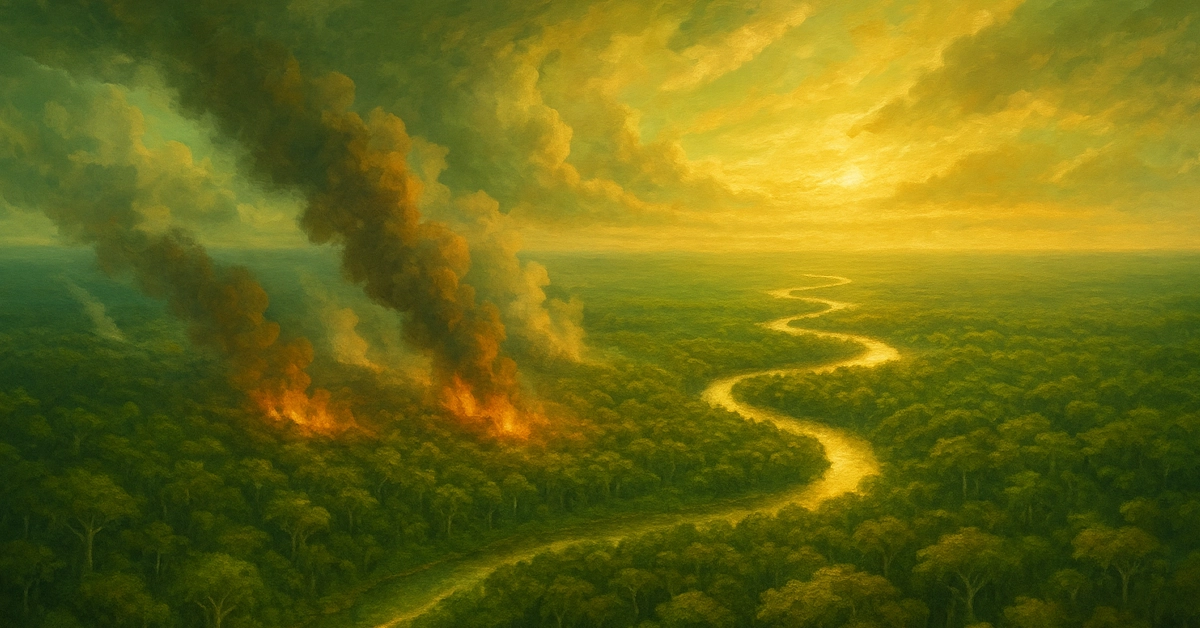
Wildfires and Environmental Pressure
Fires in the Amazon often increase during periods of drought and land clearing.
These fires damage biodiversity, release carbon, and weaken ecosystems already under pressure.
The visibility of these fires has brought international attention to Amazon on the edge.
Biodiversity at Risk
The Amazon contains countless species found nowhere else on Earth.
Habitat destruction threatens plants, animals, and ecological relationships that developed over millions of years.
This biodiversity crisis is another dimension of Amazon on the edge.
The Global Importance of the Rainforest
The Amazon is often described as one of Earth’s most important ecological systems.
Scientific discussions related to the Amazon rainforest explain its influence on climate, biodiversity, and atmospheric cycles.
The future of the forest affects far more than a single region.
Hope, Restoration, and Responsibility
Despite the challenges, restoration efforts continue growing.
Conservation projects, Indigenous leadership, environmental activism, and sustainable initiatives are helping protect remaining forest areas.
This ongoing effort is central to the story of Amazon on the edge.
The future is not yet fully decided.
Connection with Forest Awareness
Many people around the world feel emotionally connected to the Amazon even without having visited it.
The rainforest represents biodiversity, mystery, and the living intelligence of nature itself.
For those exploring deeper connection with forest traditions, our Rapéh Guide offers insights into grounding and respectful approaches inspired by Indigenous knowledge.
You can also explore rapéh benefits to understand practices connected to awareness and connection with nature.
Supporting the Living Forest
Protecting the Amazon requires awareness, responsibility, and long-term commitment.
Every conversation about the rainforest influences how future generations will understand its importance.
For adult practitioners exploring deeper awareness, Queen of the Forest offers sacred tools including our sacred rapéh collection and handcrafted kuripe applicators.
These tools should always be approached with respect and awareness.
The Future of the Amazon
Amazon on the edge reflects a critical moment in the history of the rainforest.
The choices made today will influence biodiversity, climate systems, and ecological balance for generations.
The Amazon remains alive, powerful, and resilient — but protecting it now has become one of humanity’s most urgent responsibilities.
Why is the Amazon rainforest important?
The Amazon supports biodiversity, regulates rainfall, and stores large amounts of carbon.
What is the Amazon tipping point?
It refers to the risk that the rainforest could lose its ability to sustain itself after extensive deforestation.
What threatens the Amazon the most?
Deforestation, fires, mining, climate change, and illegal extraction are major threats.
Can the Amazon still be protected?
Yes, conservation, restoration, Indigenous leadership, and sustainable practices can still help preserve the rainforest.
Continue exploring
All stories
The medicines of the forest