Rapéh: The Sacred Snuff of the Forest
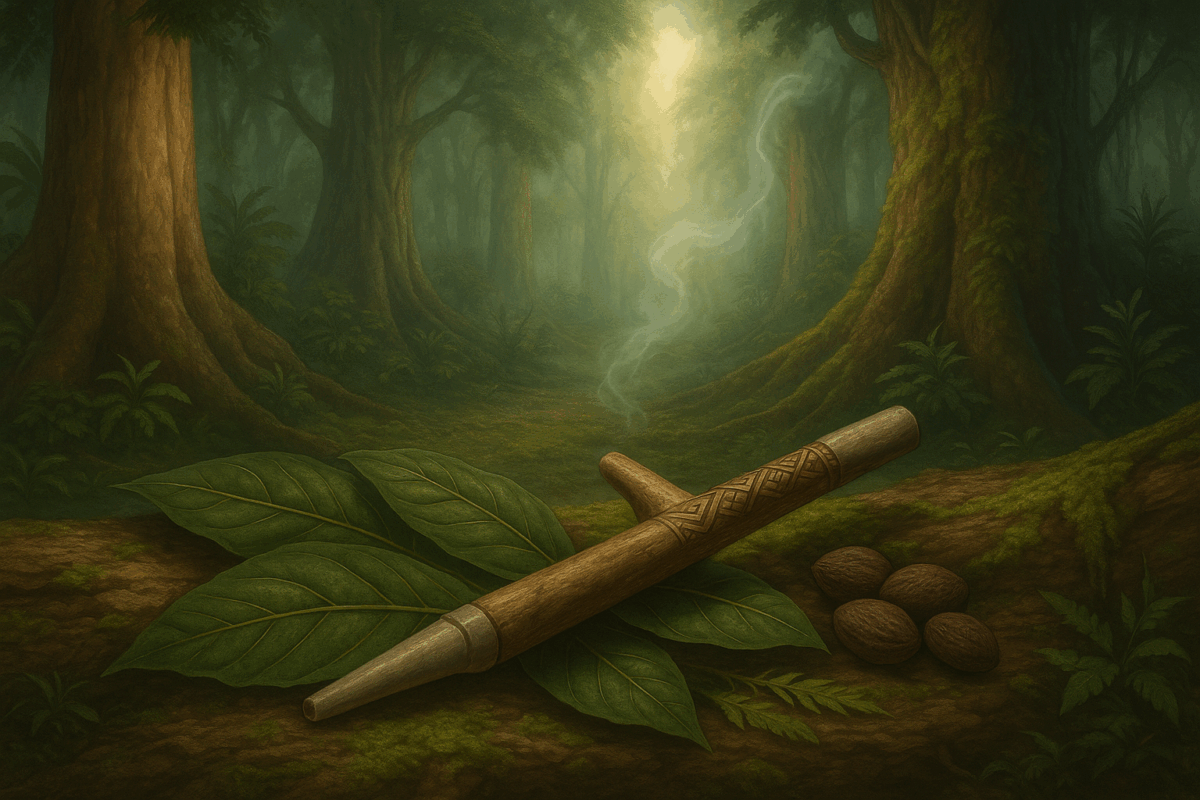
Ancestral medicine of grounding, clarity, and connection to the spirit of the Earth
A Sacred Dust of the Forest
Deep in the Amazon rainforest, where rivers carve the land and trees rise like living temples, there exists a medicine both subtle and profound: rapéh (also spelled hapé, rapeh, or rapé). This finely ground blend of sacred tobacco and the ashes of medicinal plants is far more than a powder. For Indigenous peoples, it is a prayer embodied in matter, a tool of cleansing, alignment, and communion with the divine.
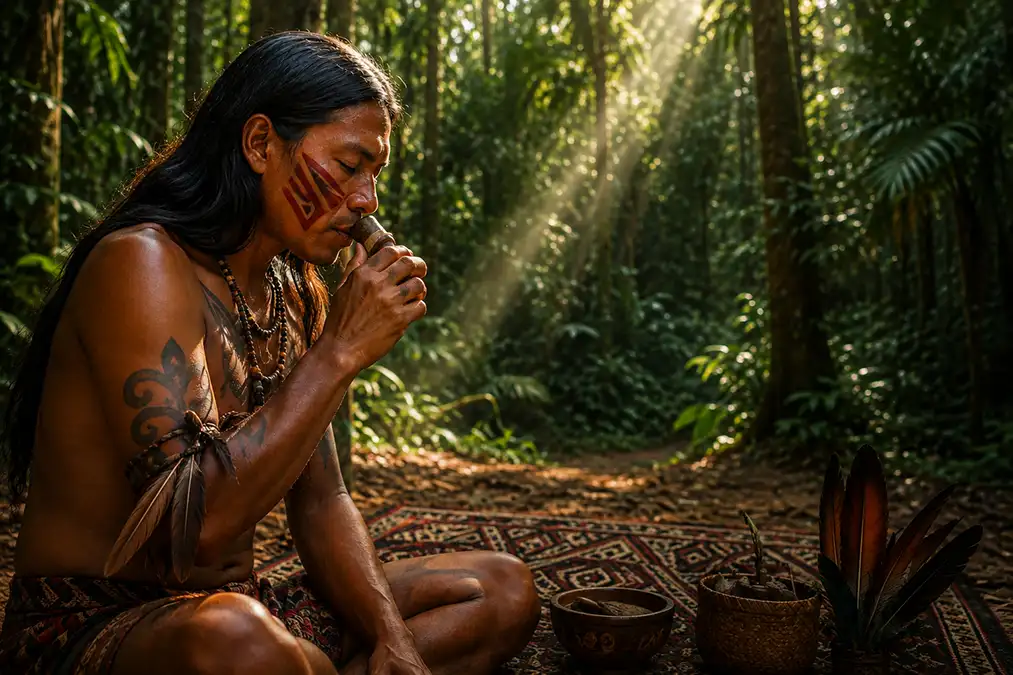
To receive rapéh is to accept the forest into one’s body. It is blown into the nostrils with intention, using special applicators called kuripe (for self-application) or tepi (for ceremonial sharing). Unlike recreational substances, rapéh is never taken lightly. It is a sacred act, accompanied by silence, prayer, and respect.
Origins: An Ancestral Medicine
Rapéh is as old as the tribes who walk the Amazon. Its roots are found among peoples such as the Yawanawá, Huni Kuin, Katukina, Nukini, Shawandawa, and many others. For these communities, rapéh is inseparable from their cosmology and spiritual practices.
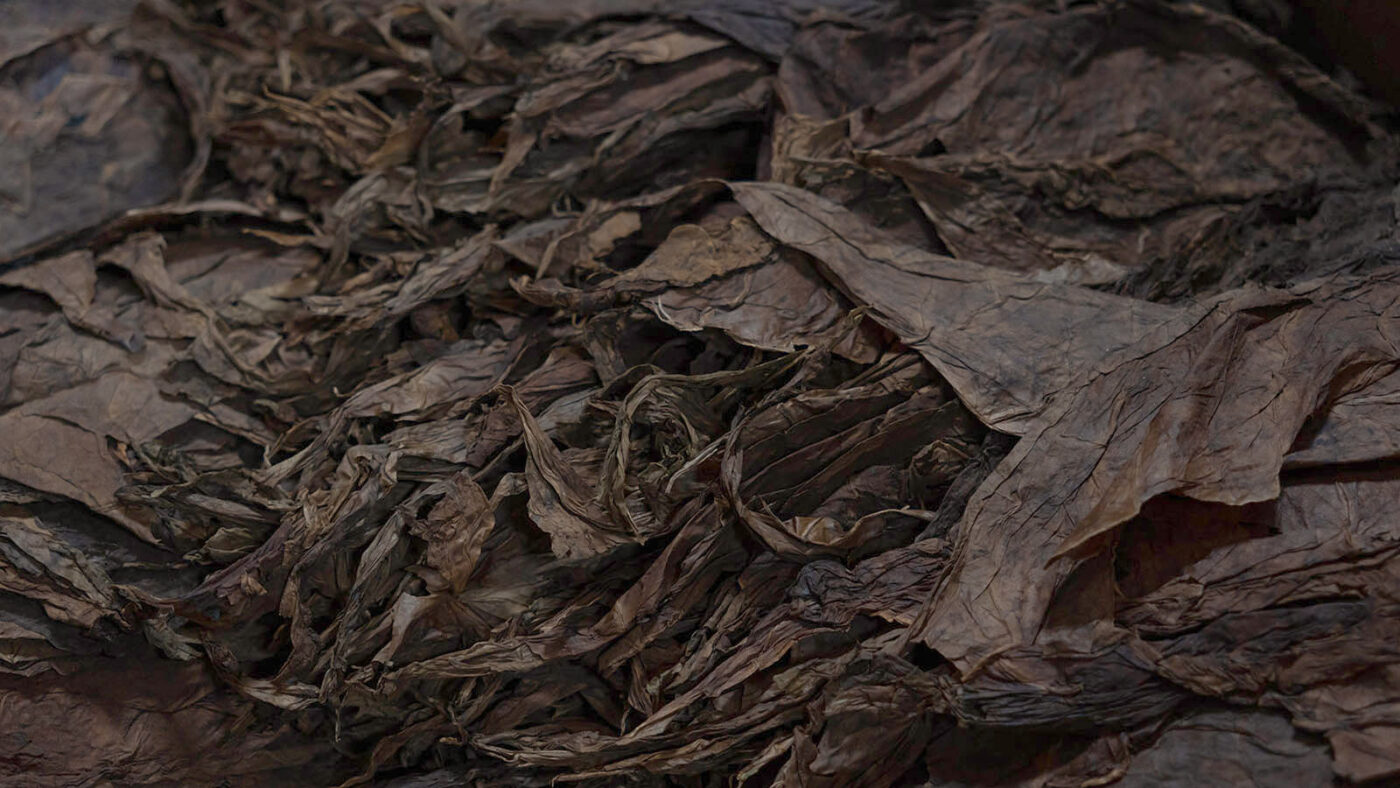
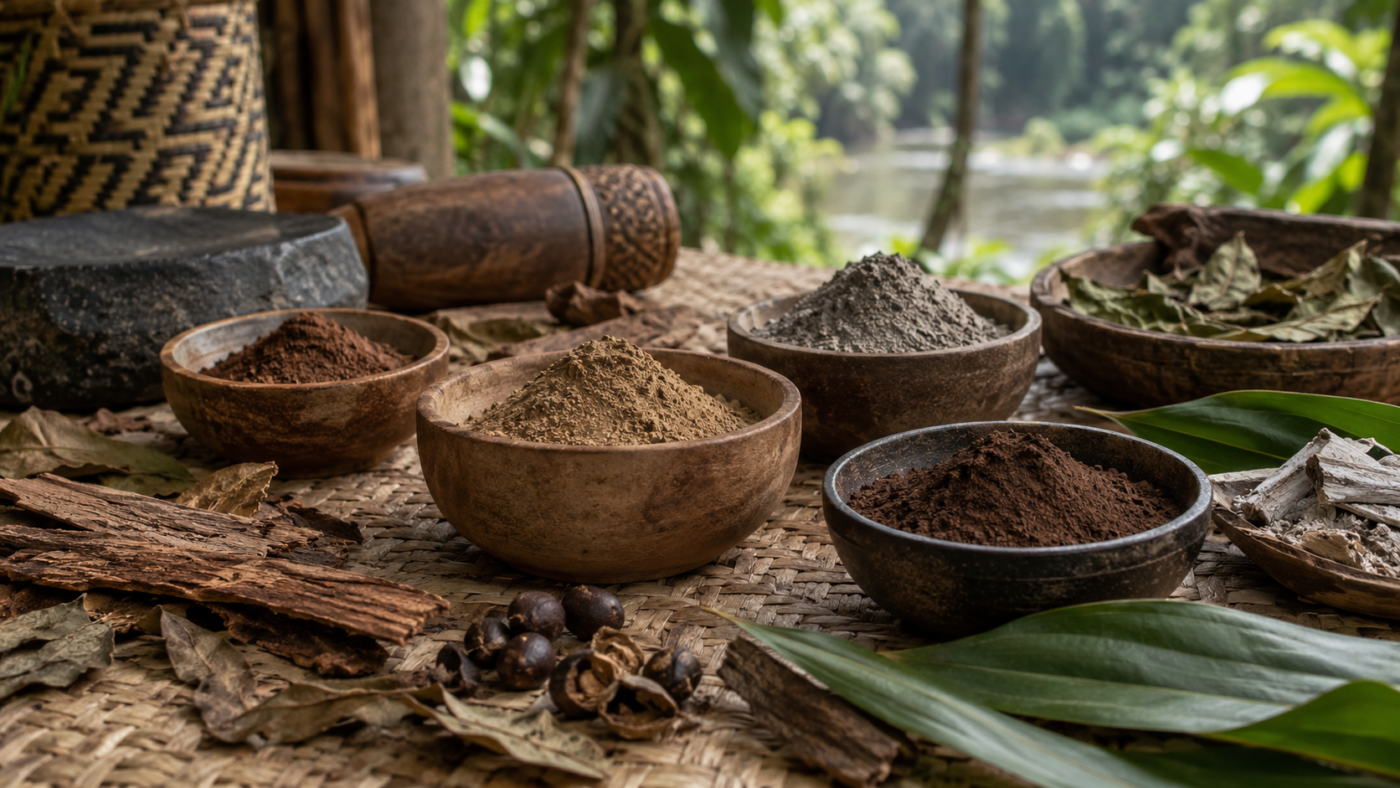
The medicine is traditionally prepared by pounding tobacco leaves, mixing them with ashes from sacred trees like Tsunu, Murici, Mulateiro, Cumaru, and Samaúma, and then sieving the blend into a fine, sacred dust. Each combination carries its own vibration and purpose: some blends are grounding, others bring clarity, others open visions or restore balance.
The preparation itself is ceremonial. Elders say that the spirit of the trees lives in the ashes, while the spirit of the tobacco carries the prayer. Together, they form a bridge between humans and the unseen.
The Ritual of Application
Rapéh is never sniffed or inhaled. Instead, it is blown with intention. The act of blowing carries symbolic weight: it represents the breath of life, the transmission of prayer, the offering of one’s own spirit to assist another.
- With a kuripe, a V-shaped applicator, the practitioner self-administers, guiding the medicine into both nostrils while holding intention.
- With a tepi, a longer applicator, a shaman or guide administers the medicine to another person, creating a bond of trust, reciprocity, and prayer.
The moment of receiving rapéh is often followed by silence. The body may purge, tears may flow, or one may simply feel grounded and present. Each reaction is a form of cleansing—an answer from the body and spirit to the medicine’s arrival.
Spiritual Benefits of Rapéh
For the peoples of the forest, rapéh is a medicine of realignment. Its benefits go beyond the physical and enter the realm of spirit:
- Cleansing the mind: Rapéh clears confusion, negative thoughts, and mental fog.
- Grounding the spirit: It brings the user back to center, anchoring them in the present moment.
- Opening prayer: Many tribes use rapéh at the beginning of rituals to prepare the body and focus the mind.
- Energetic protection: It is believed to shield the spirit from harmful influences.
- Connection with the divine: Through rapéh, one can enter states of deep presence and communion with higher forces.
Rapéh and the Elements of the Forest
Each rapéh blend is unique because each tree carries its own spirit. The ashes are not just byproducts of fire—they are considered the purified essence of the tree’s medicine.
- Tsunu is a classic blend, known for grounding and clarity.
- Mulateiro, called the “tree of youth,” carries renewal and healing.
- Samaúma, the “Queen of the Forest,” connects to protection and higher vision.
- Murici brings balance and cleansing, helping restore inner harmony.
- Cumaru, with its fragrant seeds, offers strength and energy.
These elements show that rapéh is a living library of forest wisdom. Every dose is a dialogue with the plants, a lesson offered by the spirits of the trees.
Community and Ceremony
Rapéh is rarely used in isolation in traditional contexts. It is part of a larger fabric of ritual and community life.
During ceremonies with ayahuasca, rapéh may be given to help participants ground, open visions, or release blockages. In healing rituals, shamans use rapéh to remove dense energies, cleanse the aura, and restore balance. In daily life, tribes may take rapéh before hunting, before important decisions, or simply to realign themselves with spirit.
The act of sharing rapéh is also an act of unity. To blow medicine into another person’s nostrils is an intimate offering of breath and prayer. It weaves bonds of trust, humility, and interconnectedness.
Rapéh as a Mirror
One of the deepest teachings of rapéh is that it acts as a mirror. It does not create visions or illusions—it reflects what already exists within. If one is restless, it may reveal restlessness. If one is calm, it may deepen peace.
In this way, rapéh teaches responsibility. The medicine does not impose; it reveals. It shows the state of one’s spirit and offers the possibility of transformation.
Global Renaissance of Rapéh
In recent decades, rapéh has traveled far beyond the Amazon. It is now used in ceremonies and spiritual circles across the world. Seekers from many cultures have discovered its power to cleanse, ground, and open prayer.
Yet with its spread comes responsibility. Elders remind us that rapéh is not a recreational substance. To use it without respect is to misuse it. To honor it means to carry the prayers of the forest, to remember the tribes who preserve this medicine, and to ensure that its use supports the guardians of the Amazon.
Caring for the Medicine
Those who work with rapéh are also taught to care for it properly:
- Keep it in sacred containers: Often in handmade tins, gourds, or clay jars.
- Protect it from negativity: It should be stored with prayer, in clean places, often accompanied by feathers, crystals, or protective symbols.
- Use it with intention: Even a small amount can be powerful when applied with respect.
The way one treats the medicine reflects the way one treats the forest itself.
A Breath of the Forest
Rapéh is more than sacred snuff. It is the forest ground into prayer, the breath of trees carried into human bodies, the bridge between earth and spirit. To take rapéh is to enter into dialogue with the ancestors, the plants, and the very soul of the Amazon.
In a world that often runs toward distraction and noise, rapéh calls us back to silence and presence. It teaches us to ground, to cleanse, and to remember that we, too, are part of the great forest.
Each dose is a reminder: the Earth breathes through us, the trees pray with us, and the spirit is always near.
[ux_products cat=”145″]
Continue exploring
All stories
The medicines of the forest