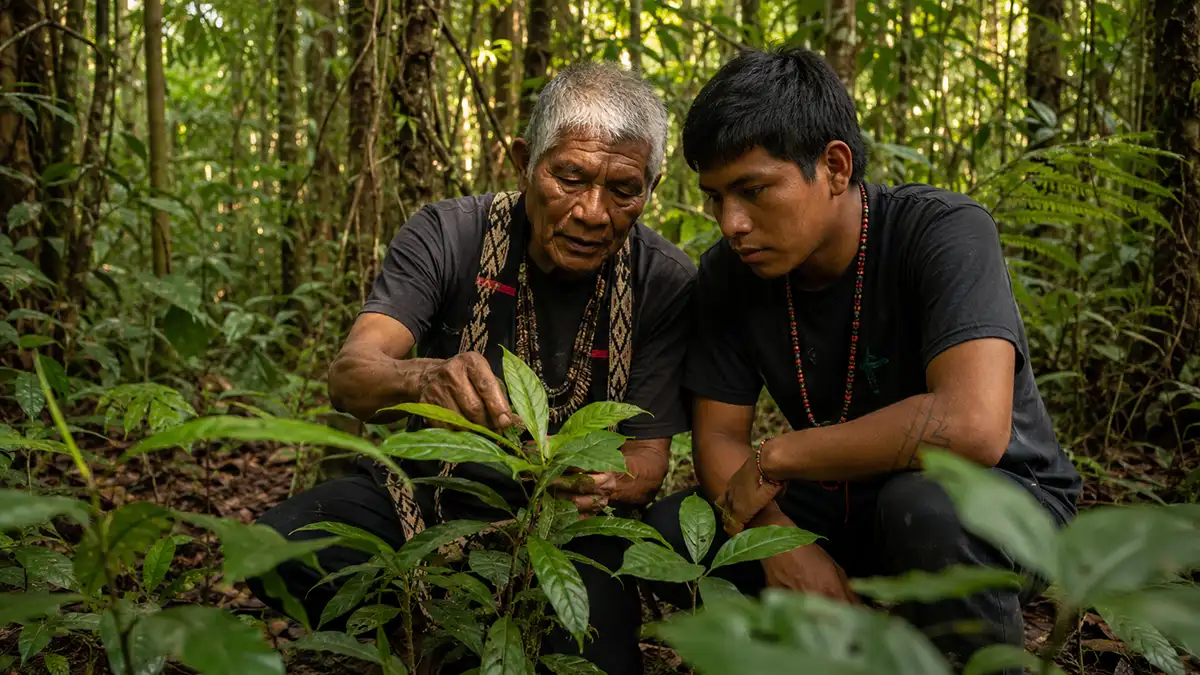

Dressing the Spirit: The Renaissance of Ceremonial Clothing as a Language of the Soul
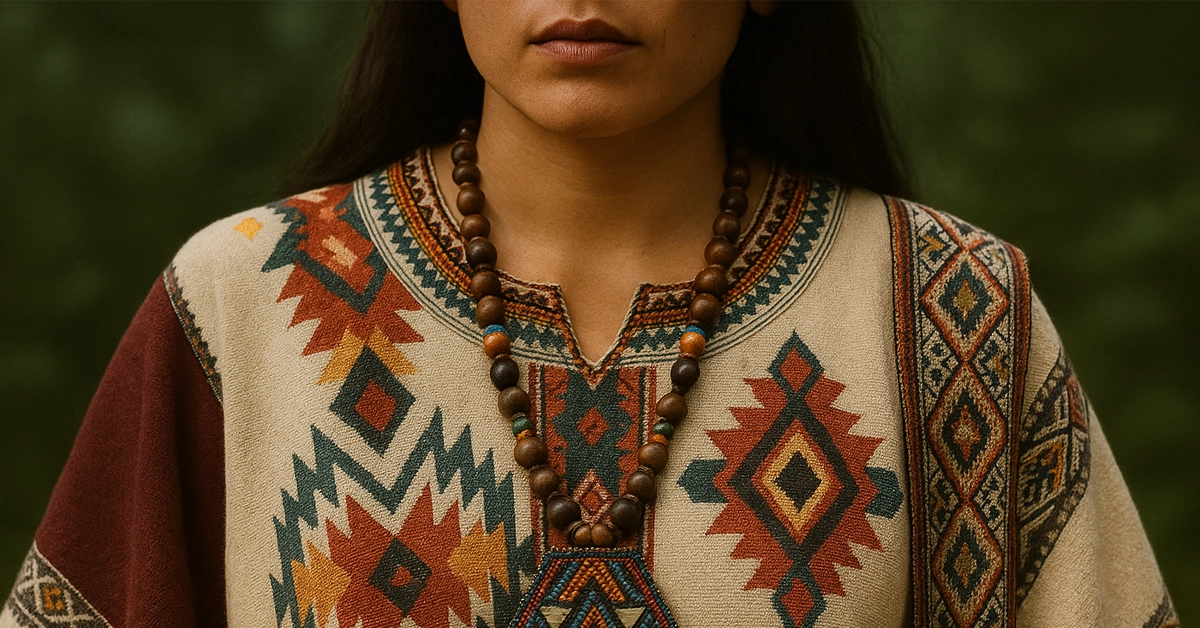
Exploring How Sacred Garments Become Mirrors of Identity, Archetypes, and Spiritual Connection
Clothing as a Portal, Not a Costume
What if the clothes we wear could speak for our soul?
Before fashion, before fabric was mass-produced, clothing held a sacred function. It was not only protection for the body—it was a visible expression of the invisible. In Indigenous cultures and spiritual lineages across the world, garments were (and still are) made with intention, charged with prayer, adorned with symbols, and imbued with the energy of the one who wears them.
Today, there is a quiet renaissance happening. As more people return to ceremonial ways of being—through plant medicine, ancestral rituals, or conscious gatherings—a new relationship with clothing is being reborn. One that recognizes garments not as status symbols, but as spiritual instruments. This is the rebirth of dressing as ritual. Dressing as remembrance. Dressing as soul.
The Origin of Sacred Dress
In many ancient and Indigenous traditions, clothing was never separate from ceremony. What one wore into ritual space mattered. Colors had meaning. Materials carried spirit. Shapes mirrored cosmology. A feather placed just right on the head could signify rank, readiness, or relationship to a specific elemental force.
Take for example:
- The Shipibo-Konibo tunics, covered with kené patterns received in Ayahuasca visions. These aren’t mere designs—they are visual icaros, meant to protect and activate the energy of the wearer.
- The Huichol hats and beaded attire, used in ceremonies with peyote, tell stories of pilgrimage, lineage, and divine connection.
- The feathered headdresses of Amazonian tribes, designed to represent the wings of spirit, ancestors, or jungle animals that walk with the curandero or pajé.
These clothes are not costumes. They are living prayers.
Archetypes in Fabric: The Clothing of the Inner Self
When a person steps into ceremony, they are not stepping into a show—they are entering a space of truth, revelation, and surrender. The clothes chosen for that moment are not random. They reflect the archetype that the person is embodying at that stage of their spiritual journey.
Some dress like the Warrior, with dark tones, bone necklaces, and strong shapes that ground their energy.
Some take on the Priestess, flowing in white, crowned with moonstone, calling in feminine wisdom.
Others might wear the Jester, colorful and free, breaking illusions with laughter and lightness.
And some become the Shamanic Dreamer, covered in patterns of the unseen, eyes painted, hair braided with feathers and songs.
These archetypes are not fashion statements. They are spiritual expressions of essence—ways of declaring: “This is how my soul walks through the unseen.”
The Language of Texture, Color, and Element
Every aspect of ceremonial clothing can carry symbolic meaning. It’s not just about appearance. It’s about frequency.
Texture: Earth or Sky?
A rough, raw cotton tunic made of unbleached fiber grounds the wearer in the element of Earth. A soft, silk-like shawl may call in Air or Spirit. The weight of the fabric, the way it moves, and how it feels on the skin all contribute to the energy one is holding during a ceremony.
Color: A Spectrum of Intention
- White: Purity, clarity, beginnings, the crown.
- Black: Mystery, depth, protection, the void.
- Red: Blood, courage, fire, the ancestral root.
- Yellow: Illumination, solar energy, clarity.
- Blue: Spirit, sky, communication, vision.
- Green: Nature, healing, heart alignment.
These colors, when chosen intentionally, become tools of alignment—ways of embodying the energies we wish to walk with in a sacred space.
Symbolism: More Than Patterns
When a tunic bears spirals, it may represent the cycle of death and rebirth. Triangles may call the divine masculine or feminine. Dots may represent stars or spirit eyes. The placement of these symbols—at the heart, on the sleeves, around the waist—is a visual map of energy flow.
Dressing in Devotion: The Return of Ritual
We are in an era of remembering. As people all over the world reconnect with medicine paths, sacred plants, and ancestral teachings, dressing with intention has returned as a practice of devotion.
It is no longer strange to see someone prepare their clothing days before a ceremony, laying them out with reverence, smudging them, or even placing stones and prayers into the fabric. This isn’t superstition. It’s spiritual hygiene.
In some cases, people may wear the same garment for years during sacred work—letting it absorb sweat, songs, tears, and smoke—until it becomes a second skin, an extension of their medicine path. Some are never washed, not out of neglect, but out of respect. They are seen as alive, carrying the essence of ceremony.
Ancestral Connection Through Dress
Ceremonial clothing also serves as a channel of ancestry. By wearing clothing that carries tribal patterns, heirloom stitches, or indigenous embroidery, many people feel closer to the lineages they carry—even if they were raised far from them.
This reconnection is powerful but must be done with humility. Wearing ancestral patterns is not an aesthetic decision—it is a spiritual invocation. Whether you come from the Andes, the Amazon, Africa, or anywhere else, wearing the symbols of your people can awaken memories that live in your bones.
Even those without clear lineage can work with intention. Some people say:
“I don’t know where I come from, but when I wear this pattern, I feel like I remember.”
“I put on these feathers, and I cry without knowing why.”
This is not costume. This is the soul remembering itself.
Sacred Fashion vs. Spiritual Appropriation
As sacred clothing becomes more visible in global fashion and festivals, a delicate line appears: How do we honor sacred garments without turning them into trends?
The answer lies in intention, respect, and relationship.
- If you’re buying sacred-inspired clothing, know where it comes from. Was it made by Indigenous artisans or copied in bulk for profit?
- Do you know the meaning of the symbols you are wearing?
- Are you wearing it as a bridge to ceremony—or as a display of identity?
To dress the spirit is to honor the source, not to imitate it. A shirt with a tribal pattern is not “just a shirt.” It is a piece of someone’s story, someone’s medicine, someone’s cosmology.
Fashion becomes sacred when it is woven with awareness.
Ceremonial Clothing in Modern Life
More and more, we see ceremonial fashion stepping beyond the maloca or sacred circle and into everyday life—not as performance, but as a reminder.
A shirt inspired by Shipibo geometry worn at a healing session.
A skirt with ayahuasca vine patterns at a women’s gathering.
A scarf carrying sun and moon symbols during a meditation walk.
These aren’t costume pieces. They’re daily reminders of spiritual identity. The mundane becomes sacred when we dress with soul.
In this sense, ceremonial clothing becomes a quiet rebellion against mass production, against spiritual amnesia, against disconnection. It becomes a way of living in prayer.
The Body as Altar, the Clothing as Offering
In ceremony, your body becomes an altar. It holds the energy of your prayers, your tears, your surrender. And what you place upon that altar—your clothing—is not accidental. It is an offering.
When you wrap yourself in a ceremonial garment, you are saying:
“I am here, Spirit. I am open. I am ready.”
It’s not about what looks good. It’s about what aligns. When your soul feels met by the garment, something shifts. You walk taller. You listen deeper. You are more attuned to the space you’re entering.
And this is not exclusive to grand rituals. Even the act of dressing with care before a personal meditation, a moment of prayer, or a walk in nature can be a sacred act.
Wearing the Future: A New Vision of Conscious Clothing
As the world changes, we are being invited to reclaim not just what we wear—but how we wear it. The clothing of the future may be less about brand and more about frequency. Less about trend and more about soul.
Imagine:
- Clothing sewn with prayers, blessed before being worn.
- Shirts that carry stories of the forest, woven by Indigenous hands.
- Accessories that reflect archetypes of power, love, and healing.
- Fabrics dyed with plants, carrying the vibration of the earth.
This is already happening. All over the world, artisans, brands, and spiritual communities are creating clothing that is alive, intentional, and regenerative. Not only for ceremonies—but for life lived as a ceremony.
At Queen of the Forest, this is part of the mission: to offer items that are not just beautiful, but meaningful—designed to support the walk of those who walk with spirit.
Dress as You Are
To dress the spirit is to remember that you are not just a body wearing fabric—you are a soul expressing essence.
So the next time you stand before your clothes, ask not “What looks good?” but “What helps me carry who I really am?”
Ask: “What would the Earth want me to wear today?”
Ask: “Which part of my soul is ready to be seen?”
Because when we dress with that level of intention, we become moving altars, walking prayers, portals of remembrance.
In this way, sacred clothing is not a style—it’s a path.
Not a costume—but a commitment.
Not performance—but presence.
Let your garments speak.
Let your spirit be seen.
Let your soul be dressed in truth.
[ux_products]
Continue exploring
All stories
The medicines of the forest