When Rapéh Chooses You: Signs of an Inner Calling
How to Know When It’s Time to Begin the Journey with Sacred Snuff
When the Medicine Finds You
In the modern world, we often assume that we are the ones seeking the medicine—but in traditional Amazonian understanding, it is the medicine that finds us. Sacred snuffs like rapéh (also spelled hapé or hapeh) are not just herbal blends; they are alive with spirit, intention, and ancestral wisdom. There is a saying among elders of the forest: “The rapéh calls when your soul is ready.”
But how do you know when that moment has arrived? Is it curiosity, coincidence, or something deeper that leads you to this path?
This article explores the signs—both subtle and profound—that indicate rapéh is calling you. Whether through bodily intuition, dreams, spiritual synchronicities, or a deep yearning for clarity and connection, the signs are there for those who are willing to listen.
What Is Rapéh?
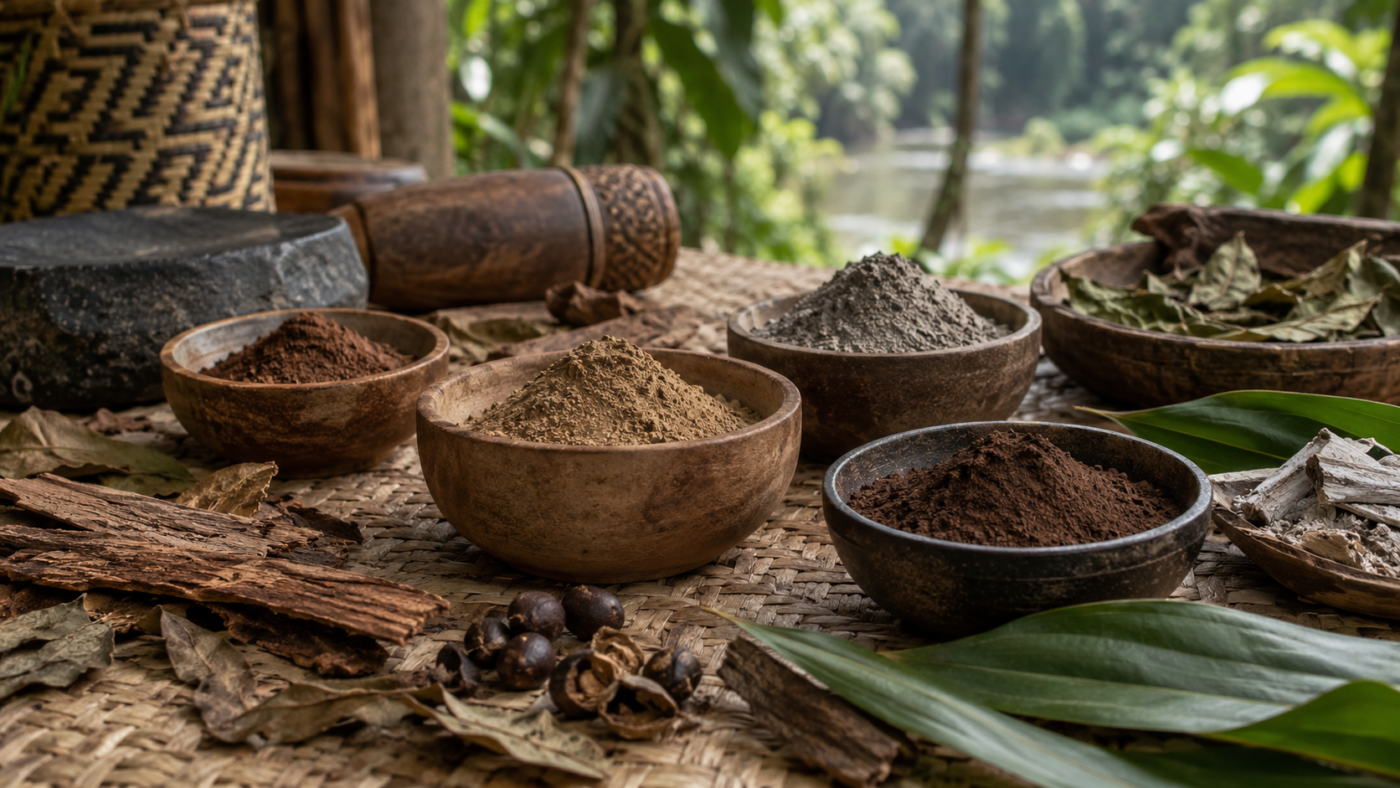
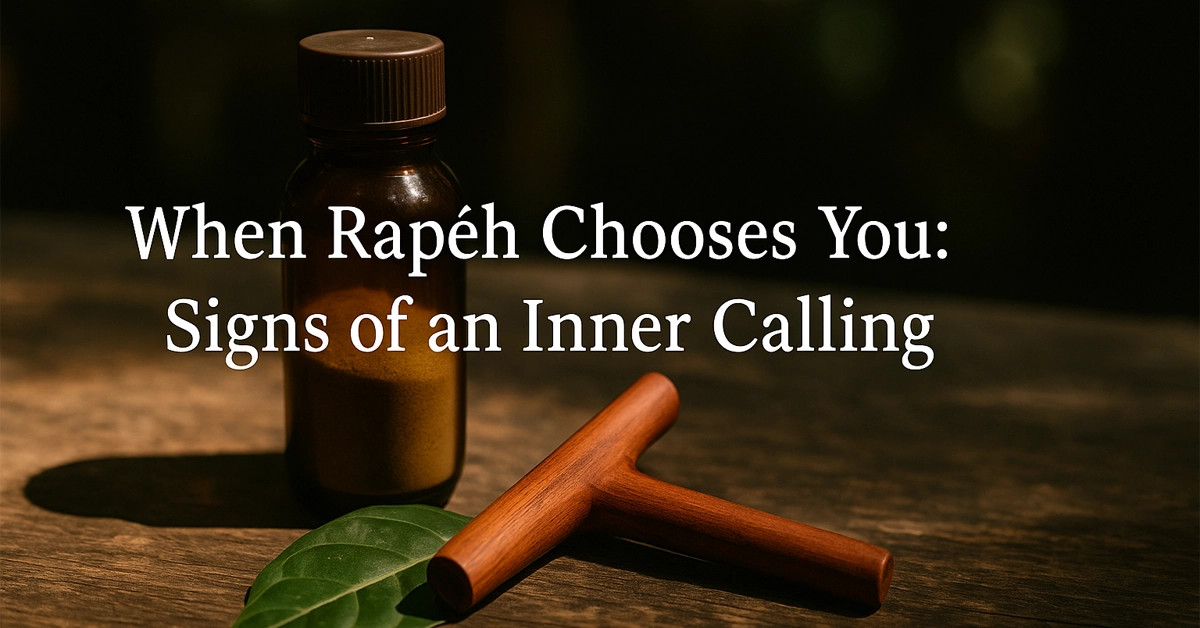
Rapéh is a sacred medicinal snuff made from finely ground Amazonian plants, often including tobacco (Nicotiana rustica) and other healing herbs, ashes, and tree barks. It is traditionally used by Indigenous tribes of Brazil and Peru for prayer, cleansing, grounding, and spiritual alignment. Blown into the nostrils using a kuripe (self-applicator) or tepi (administered by another), rapéh enters the body swiftly and powerfully, realigning energies and opening space for silence, clarity, and healing.
But rapéh is not a casual practice. It is a spiritual tool, and its use is best approached with reverence, preparation, and intention. This is why knowing when you are truly ready matters.
1. A Sudden, Unexplainable Curiosity
One of the first signs that rapéh may be calling you is a persistent curiosity. You may hear about it from a friend or stumble upon it online—and rather than brushing it off, you feel deeply intrigued. You begin researching it, watching videos, reading testimonials. The interest grows without logical explanation.
This isn’t the same as trend-following. It’s a magnetic pull, often accompanied by a sense of déjà vu or remembrance, as if your soul already knows this medicine.
“It was as if I had known rapéh in another life,” many first-time users report. “I didn’t understand it, but I felt it.”
2. Visions or Dreams of Sacred Plants or Ceremonies
Another common signal comes through the dream realm. You may begin dreaming of the forest, Indigenous elders, tobacco leaves, or smoke ceremonies. You might see yourself blowing powder into your nose or witnessing beings performing rituals with sacred plants.
In many traditions, dreams are how plant spirits initiate contact. They offer images or symbols as invitations.
Pay attention to the emotions in those dreams. Did you feel peace, strength, or protection? Did the dream linger in your memory longer than usual? These are often indicators that the spirit of rapéh is reaching out.
3. Emotional or Spiritual Stagnation
Often, the call to rapéh arises when you’ve reached a crossroads—emotionally, mentally, or spiritually. You may feel disconnected, stuck, unable to meditate, or burdened by thoughts that won’t quiet.
This is not a failure. It’s a sacred threshold. Many traditional users of rapéh say the medicine arrives when the soul is ready to clear old patterns or open a new path.
Rapéh is known for:
- Silencing mental chatter
- Grounding scattered energy
- Creating inner stillness
- Breaking energetic blockages
If you feel as though you’ve “tried everything,” but nothing seems to anchor or soothe you, the rapéh may be whispering: “It’s time.”
4. Physical Sensitivity and Intuitive Awareness
As you begin tuning into your body, you might notice heightened sensitivity—especially in the third eye, crown, or the breath. These shifts can be subtle:
- Feeling sudden warmth or tingling during meditation
- An urge to exhale deeply, as if releasing something invisible
- Sensations of “needing to clear” your sinuses or energetic field
The body often knows before the mind. Rapéh works directly through the breath, the nervous system, and energetic channels. If your body starts requesting something you can’t quite name—but that feels earthy, strong, and spiritual—listen closely.
5. Repeated Encounters and Synchronicities
Perhaps you meet three different people in one week who mention rapéh out of nowhere. Or you open a book, and there’s a section on sacred tobacco. Or you see the word “rapéh” in a dream and then again on your social media feed.
These synchronicities are not random. In the realm of spirit, repetition is a form of confirmation.
Sometimes the medicine appears multiple times before we listen. It gently (or not so gently) nudges us until the message becomes impossible to ignore.
6. A Calling to Serve or Heal
Those who feel the call to rapéh often carry within them a desire to help others, hold space, or deepen their healing path. This calling might express itself as:
- Becoming more interested in Indigenous traditions
- Wanting to clear your energy before ceremonies or sessions
- Feeling that your words or breath carry medicine when aligned
Rapéh is traditionally used by shamans, elders, and guardians of prayer to anchor presence and offer protection. If you’re stepping into roles of leadership, facilitation, or healing, rapéh may arrive as an ally to support you in that service.
7. Feeling a Deep Respect Before Even Trying It
A beautiful sign that you’re ready is the presence of reverence before experience. You may feel a sense of sacredness just by reading or hearing about rapéh. You instinctively know it’s not something to be abused or taken lightly.
If you feel called to sit down, breathe deeply, and offer a prayer before even holding the medicine, you’re already in alignment with its spirit.
This respectful posture shows the medicine that you are ready to receive, not consume.
8. A Personal Crisis or Moment of Transformation
Major life transitions often awaken spiritual callings. The loss of a loved one, the end of a relationship, illness, or even joyful moments like childbirth or moving to a new land can open inner doors.
In many cultures, medicine use begins not in peace, but in transformation. These moments strip away the ego’s control and invite the deeper self to step forward.
If you are navigating a period of intensity and feel drawn to the forest, to silence, or to ancestral tools, rapéh may come as a teacher disguised as powder.
How to Respond to the Call (Without Rushing)
Once you recognize the signs, what comes next?
1. Learn Before You Try
Read about rapéh’s origins, the tribes who make it, and the spirit of the plants involved. Understanding its lineage honors its power.
️ 2. Choose with Intention
Select a blend from a reputable source that works directly with Indigenous communities. Know that different blends serve different energies—some are grounding, others are clarifying, some open the heart, others invite deep release.
3. Prepare Your Space
Before your first use, set the scene: clean space, quiet time, intention. This isn’t just a routine—it’s a ritual. Light a candle, offer a prayer, and thank the medicine.
4. Start Small
A single breath of rapéh can be profoundly transformational. Begin slowly, observing your body and energy, and don’t force anything.
Common Misunderstandings to Avoid
“Rapéh is just a natural high.”
False. While it may induce shifts in perception, rapéh is not a recreational substance. It’s a spiritual tool.
“I’ll just try it alone without guidance.”
Possible, but not always wise. If you’re new, seek someone who uses it with intention and can share the practice respectfully.
“Stronger blends are better.”
Not always. Strength is not the same as depth. Sometimes the gentlest blend carries the loudest wisdom.
The Deeper Why: Rapéh and the Path of Remembering
Rapéh doesn’t just clear your mind—it reminds you of who you truly are beneath the noise. It opens a space of non-verbal communion with yourself and the Earth. In a time when so many are lost in digital distractions and synthetic solutions, rapéh offers something ancient, grounding, and true.
When the rapéh calls, it is rarely convenient—but always perfect. It comes when the soul is ready for the next step of remembrance, of reconnection, of returning to the forest within.
Trust the Timing
There is no rush. Not everyone is called to rapéh, and that is okay. For those who are, the path unfolds with its own rhythm. If you are reading this and feel a stirring in your heart or a stillness in your breath—you may already be answering the call.
Trust the signs. Trust the silence. And when the time is right, the forest will speak through the wind, the smoke, and the song of the rapéh.
[ux_products cat=”145″]
Continue exploring
All stories
The medicines of the forest