

FOREVER THE FOREST
Dressing with Intention: The Spiritual Meaning Behind Ceremonial Clothing

Jun
How sacred attire carries energy, purpose, and protection
More Than Fabric, A Prayer
Clothing is often seen as a statement of style, personality, or culture. But in the realm of ceremony, what we wear is more than expression — it is intention made visible. Each thread, color, and symbol can carry meaning, frequency, and spiritual purpose.
In Indigenous and ancestral traditions around the world, ceremonial clothing is treated with deep reverence. Whether it’s a feathered headdress, a handwoven poncho, or beaded jewelry, every item worn during ritual holds energetic function: to protect, to honor, to align, and to transform.
In this article, we explore how sacred clothing is used in ceremony, the spiritual symbolism woven into these garments, and how we can bring more intentionality to the way we dress — both in ceremony and in daily life. This is the spirit behind our Life as Ceremony collection at Queen of the Forest.
The Role of Attire in Ceremony
Ceremonies are sacred containers. They are spaces where the ordinary becomes extraordinary — where we commune with spirit, receive healing, and step outside of time. And just as we prepare the space with candles, altars, and smudging, we prepare ourselves — including what we wear.
In traditional settings, ceremonial attire is not chosen for looks, but for function:
- Spiritual protection: Certain garments are believed to shield the energy body from heavy or invasive energies.
- Frequency elevation: Colors, materials, and symbols can raise vibrational resonance.
- Connection to lineage: Wearing traditional patterns or ancestral designs honors one’s roots.
- Intentional embodiment: The clothing serves as a reminder of the role we are stepping into — healer, seeker, guardian, singer.
In essence, the clothing worn during sacred work becomes part of the ceremony itself.
Weaving Symbolism: Patterns and Colors with Meaning
Many Indigenous and spiritual garments are rich in patterns — not as decoration, but as sacred geometry.
✦ Patterns as Portals
In Shipibo-Conibo textiles from the Peruvian Amazon, for example, intricate geometric designs called kené are believed to represent songs, plant spirits, and energetic pathways. Each pattern holds a specific vibration, often received through vision or ceremony.
To wear these patterns is to enter into alignment with their energy. It’s like wrapping oneself in prayer.
✦ The Language of Colors
Colors carry symbolic weight. Though meanings vary by tradition, here are some common associations:
| Color | Meaning |
| White | Purity, peace, connection to the divine |
| Red | Vitality, passion, bloodline, fire |
| Blue | Communication, water, clarity, healing |
| Yellow | Illumination, sun, joy, spiritual vision |
| Black | Protection, mystery, grounding |
| Green | Nature, growth, heart chakra, forest energy |
When choosing ceremonial attire, tuning into the color’s energy can amplify your intention.
The Medicine of Materials
The substance of clothing also matters. Natural fibers like cotton, wool, and hemp are believed to conduct and hold energy more effectively than synthetic materials.
In some Amazonian traditions:
- Feathers represent the element of air and are used to channel spiritual energy.
- Seeds and beads are often imbued with prayers and used to balance energy points on the body.
- Animal hides or bones (used respectfully and ritually) may symbolize strength, protection, or ancestral connection.
Handmade items are particularly valued, as the energy of the maker is infused into the piece. That is why many ceremonial garments are handcrafted, not mass-produced.
Dressing for Specific Ceremonies
Ayahuasca Ceremonies
In many traditions, white or light-colored clothing is preferred to reflect purity and allow light to move freely through the energetic field. Some wear clothes that are easy to move or lie down in, but still modest and respectful.
Jewelry and symbolic accessories may be worn — especially if they have personal or protective significance — but it’s best to avoid excessive adornment that distracts from the medicine.
Sweat Lodge (Temazcal)
Minimal clothing is usually worn due to the intense heat. However, spiritual modesty is still practiced, often with cotton wraps or skirts for women and shorts or simple cloths for men. Some traditions require specific garments for the firekeeper or facilitator.
Hapé and Sananga Rituals
In these more meditative and grounding rituals, earth tones or tribal prints may be worn to support connection with the forest. Many participants choose clothing that feels energetically grounding and opens the breath.
Full Moon or Equinox Ceremonies
For lunar or solar ceremonies, colors associated with celestial energy — like silver, gold, white, or deep blue — are common. Women may wear flowing dresses to invoke divine feminine energy, while men may wear earth-colored fabrics to root into masculine archetypes.
Dressing with Intention: Not Just for Ceremonies
While sacred clothing has obvious application in rituals, the deeper teaching is this: every day can be ceremonial.
Imagine waking up and dressing not just for appearance or practicality, but for energy. What if you chose your outfit as an expression of prayer? A shield? A celebration?
Ways to Bring Intentional Dressing into Everyday Life:
- Choose colors based on energy: Wear red when you need courage, blue when you need to speak clearly, white when seeking peace.
- Bless your clothes: Before dressing, take a moment to breathe into your garments. Offer gratitude and intention.
- Designate sacred items: Have a few pieces (a scarf, a tunic, a bracelet) that you wear only during meditation or healing work.
- Support ethical fashion: Choose items made with love, respect, and sustainable materials.
- Avoid clothing that feels draining: Pay attention to how fabrics and cuts affect your mood and energy.
The Spirit Behind Our Life as Ceremony Collection
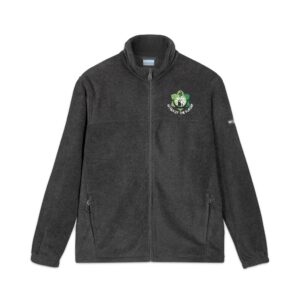
At Queen of the Forest, our Life as Ceremony collection was born from a deep belief that spirituality doesn’t live only in temples or retreats — it lives in our breath, our words, our movements, and yes, in our clothing.
Each piece in this collection is inspired by:
- Sacred geometry and forest symbolism
- Natural and sustainable materials
- The desire to elevate your everyday experience
Some garments are handmade by Indigenous or local artisans. Others are designed by our team with prayerful intention, drawing on the spiritual teachings of the forest and the sky.
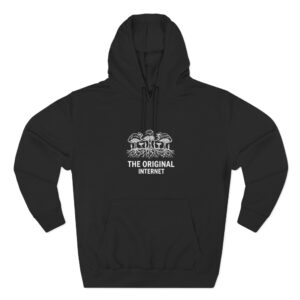
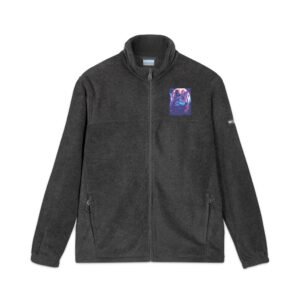
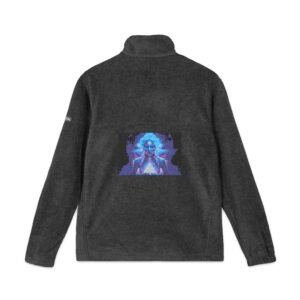
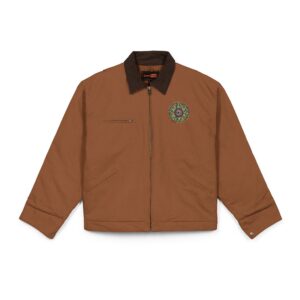
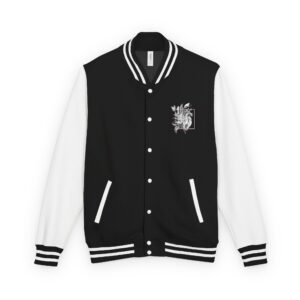
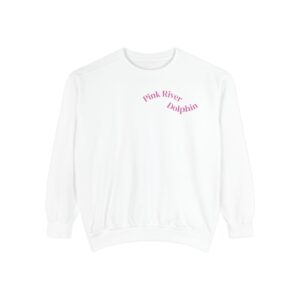
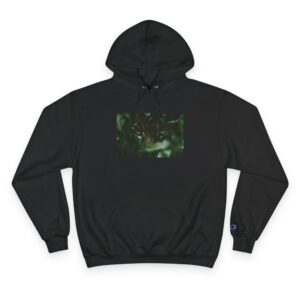
Whether it’s a hoodie with Shipibo patterns or a flowing dress that honors the elements, our goal is to help you feel aligned, inspired, and protected in what you wear.
Energetic Protection Through Clothing
In the same way that crystals, feathers, and herbs can protect your energy, so can clothing. In fact, in many Indigenous cultures, spiritual protection is worn — literally.
Here are ways clothing can act as a spiritual shield:
- Covering key energy centers: The solar plexus, heart, and crown are all vulnerable areas — wrapping them in meaningful fabric adds a layer of defense.
- Wearing symbolic items: Animal prints, tribal glyphs, or sacred embroidery can signal your intentions to both the seen and unseen worlds.
- Creating an energetic boundary: Wearing specific clothes during prayer or ceremony “marks the container,” letting other energies know that you are in sacred space.
This is especially important in group settings, during travel, or when interacting with intense environments.
Stories from the Forest: What the Pajés Wear
In our journeys through the Amazon, we’ve sat with pajés and spiritual elders from different tribes. Their clothing often carries specific meaning:
- Feather crowns symbolize connection to celestial realms and bird spirits.
- Painted designs on garments and skin tell stories of lineage and power.
- Beaded necklaces protect the throat and heart, infused with the spirit of each bead.
These items are not costumes — they are tools. They are worn not for admiration, but for transmission. They carry history, vision, and identity.
When we wear garments inspired by these traditions, we must do so with humility and respect — honoring the source and never appropriating what is not ours to carry.
What to Consider When Choosing Sacred Clothing
- Who made it?
Support creators who are connected to the traditions they represent. - What does it symbolize?
Know the meanings behind patterns and colors. Don’t wear symbols you don’t understand. - How does it make you feel?
Clothing has energy. Listen to your body’s wisdom when trying something on. - Is it aligned with your purpose?
Wear with intention. Whether you are healing, facilitating, or simply walking through life — let your clothing support your role.
Clothing as a Living Prayer
When we dress with intention, we reclaim the body as sacred. We remember that our presence in the world is not accidental. That what we wear, how we walk, and what we carry all tell a story — not just about who we are, but about what we serve.
Ceremonial clothing is not just for shamans or special occasions. It is for anyone ready to walk life with reverence.
So the next time you open your closet, pause. Breathe. Choose not just what looks good, but what feels right. Choose with your soul.
Because every day is ceremony.
May your garments carry your prayers.
May your body walk with purpose.
May your life be a blessing in motion.

🌿 Enter the Forest
Receive occasional transmissions from the rainforest — sacred medicines, stories, fresh arrivals, and ceremonial wisdom.
No noise — only occasional letters from the forest. Unsubscribe anytime.