The Impacts of Climate Change on the Amazon Rainforest and How It Affects Us All

The Amazon Rainforest is one of the most important ecosystems on the planet. Known as the “lungs of the world,” this vast region plays a crucial role in regulating the global climate, producing oxygen, and absorbing carbon. However, with ongoing climate change, this vital landscape is under an unprecedented threat. The impacts of these changes go far beyond the Amazon’s borders and affect the entire world.
In this article, we will explore the main effects of climate change on the Amazon and how they influence human life globally.
1. The Role of the Amazon Rainforest in Global Climate
The Amazon Rainforest is home to approximately 390 billion trees and covers around 5.5 million square kilometers. This immense vegetation not only provides oxygen but also acts as one of the planet’s main carbon sinks, helping to mitigate the effects of greenhouse gas emissions.
Amazonian trees absorb large amounts of carbon dioxide (CO2) from the atmosphere and store this carbon in their biomass. Without this forest, there would be a significant increase in global CO2 levels, intensifying global warming.
2. Rising Temperatures in the Amazon
One of the most evident impacts of climate change on the Amazon is rising temperatures. Studies indicate that the region has already warmed by about 1.5°C over the last 100 years. This warming can have devastating consequences for biodiversity and the natural cycles of the forest.
Higher temperatures affect rainfall patterns, increasing dry periods and making the forest more vulnerable to wildfires. Additionally, excessive heat impacts plant and animal species that rely on stable climate conditions for survival.
3. Increased Droughts and Impact on Biodiversity
Climate change is altering rainfall patterns in the Amazon, making droughts more frequent and intense. The dry season is lengthening, severely impacting rivers and the availability of water for ecosystems and human communities.
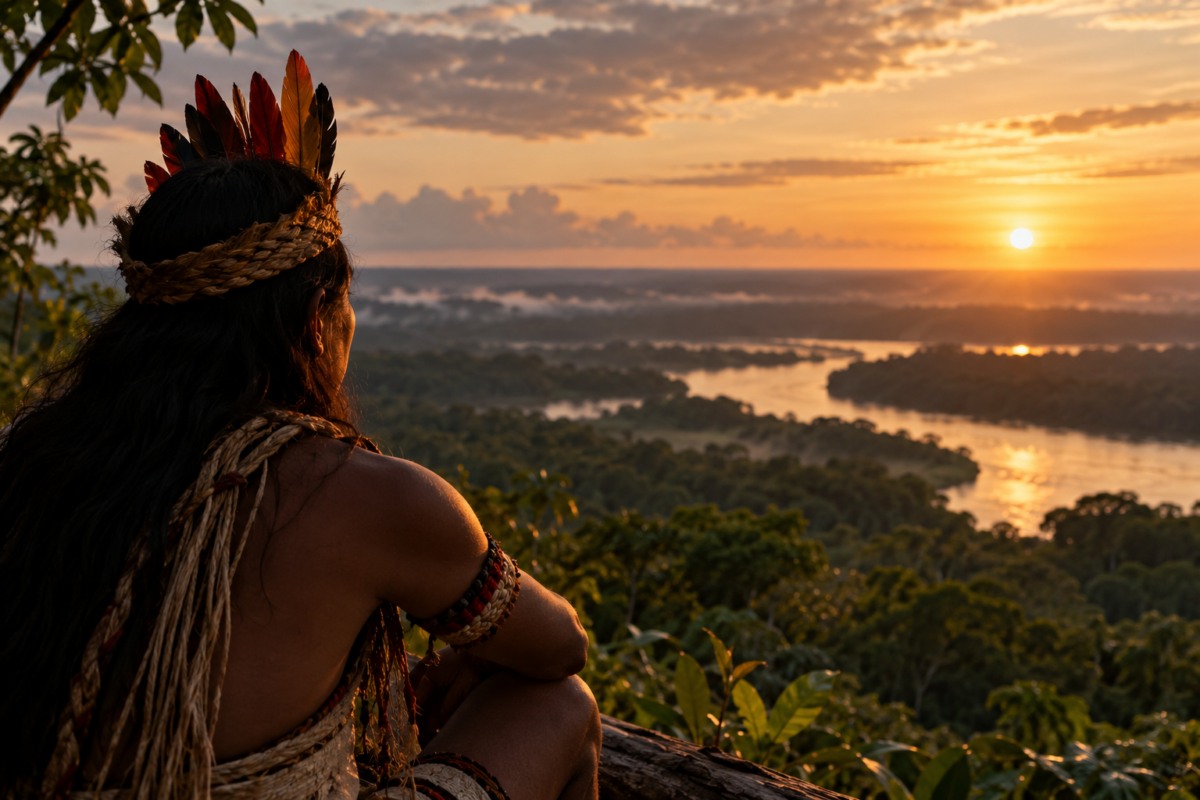
The Amazon’s fauna and flora depend on a delicate water balance. With less water, many native species, such as pink river dolphins and the fish that sustain the local economy, are at risk. Additionally, lower water levels directly affect Indigenous peoples who rely on rivers for their way of life.
4. Deforestation and Its Climatic Effects
Deforestation is another major factor contributing to the Amazon’s climatic degradation. The removal of large forest areas reduces the region’s ability to regulate temperature and humidity. This creates a cascading effect: fewer trees mean less rain, which in turn leads to more severe and frequent droughts.
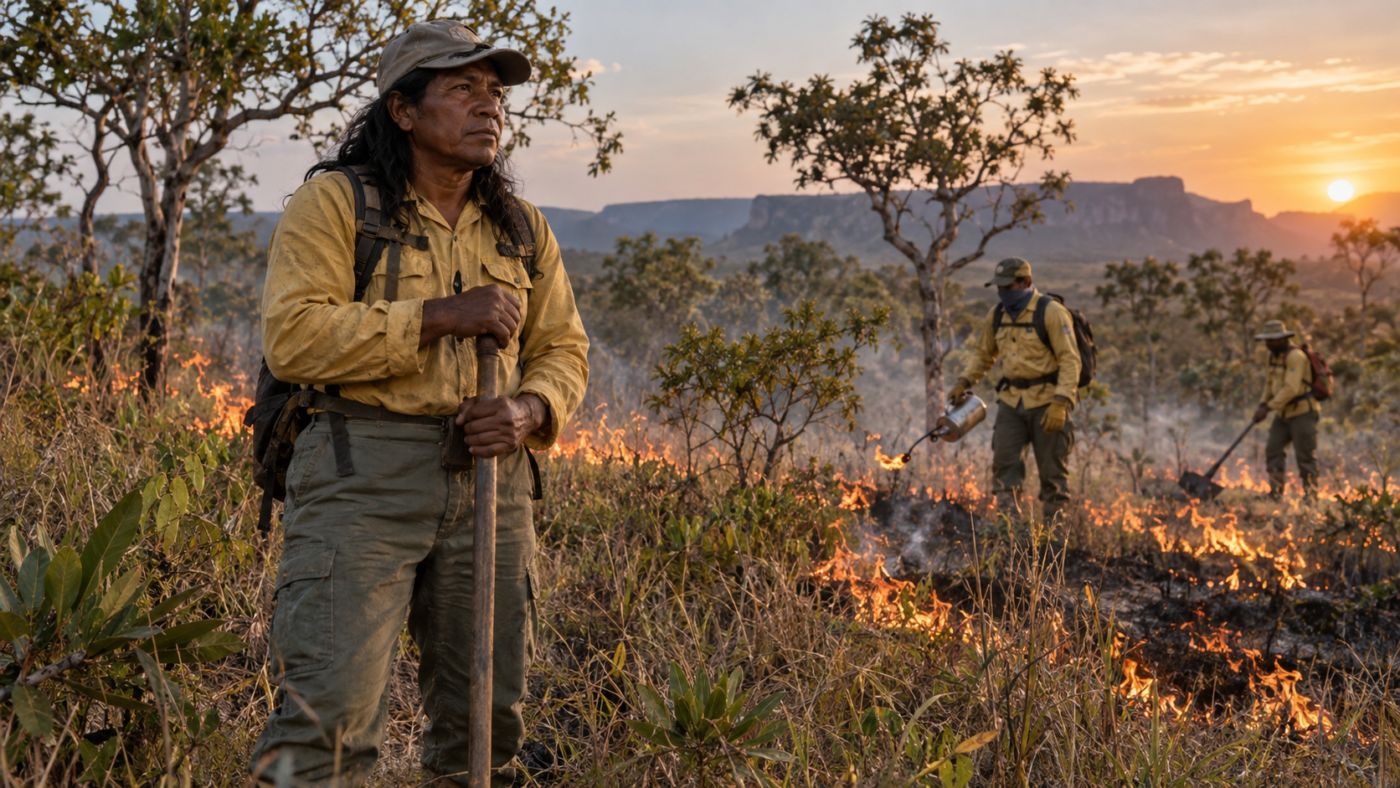
Additionally, forest burning releases enormous amounts of carbon into the atmosphere, intensifying global warming. The cycle of destruction is self-reinforcing, making forest recovery increasingly difficult.
5. How Does This Affect the Whole World?
The impacts of climate change on the Amazon are not limited to the region. Since the forest plays an essential role in cooling the planet and absorbing carbon, its degradation affects the global climate.
Some of the main consequences include:
- Changes in Global Climate Patterns: The destruction of the Amazon can alter wind and rainfall patterns in other parts of the world, impacting agricultural crops and water supply.
- Increased Frequency of Extreme Weather Events: Hurricanes, storms, and heat waves may become more frequent due to rising global temperatures.
- Loss of Biodiversity: Many plant and animal species found only in the Amazon could become extinct before they are even adequately studied.
- Impacts on Food Security: The Amazon’s degradation can affect food production, both in the region and in other parts of the world that depend on rain influenced by the forest.
6. What Can We Do?
Although the situation is concerning, actions can still be taken to reduce the impacts of climate change on the Amazon and the planet:
- Support reforestation initiatives and forest conservation projects.
- Reduce consumption of products linked to deforestation, such as beef from deforested areas and illegal timber.
- Advocate for effective public policies to combat deforestation and protect Indigenous peoples.
- Support local communities that depend on the forest for their livelihoods, promoting the sustainable use of natural resources.
- Reduce our carbon footprint by making more sustainable choices in our daily lives.
The Amazon Rainforest is essential for the planet’s climate stability, and its threats affect all of humanity. Climate change is altering its dynamics and putting its survival at risk. However, through collective action and greater global commitment, it is still possible to reverse this scenario and ensure that the Amazon continues to play its vital role in the Earth’s ecosystem.
Continue exploring
All stories
The medicines of the forest