The Impact of Transitioning from the Rainforest to the Big City
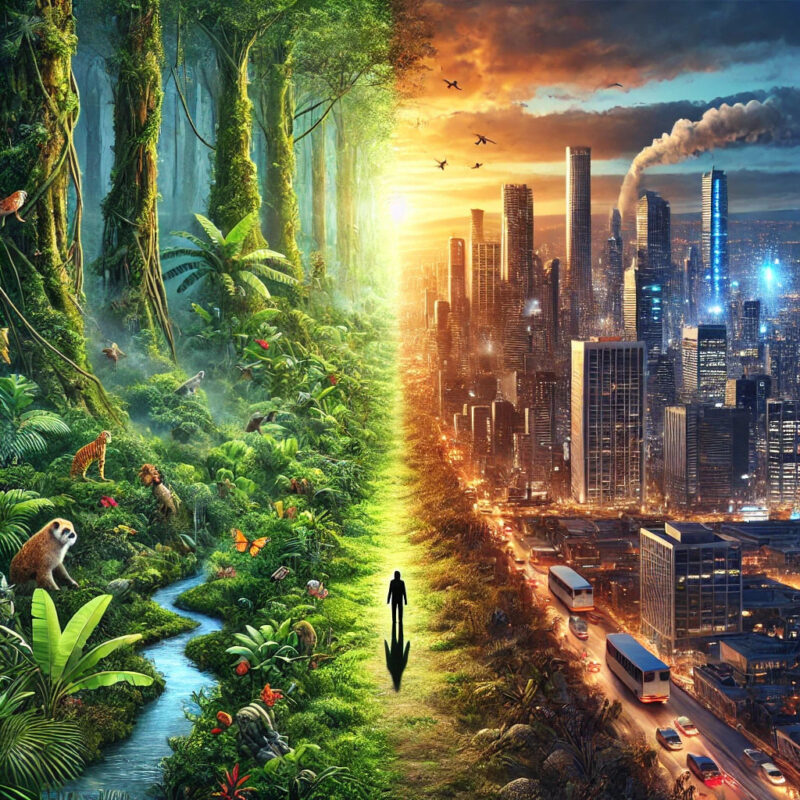
Between Two Worlds: The Soul’s Journey from the Forest to the Concrete Jungle
There is a moment in life when one steps between worlds—one foot still rooted in the sacred earth of the rainforest, the other hesitantly placed on the cold pavement of the modern city. This transition, from the heartbeat of the jungle to the chaotic pulse of urban life, is more than a change of scenery. It is a profound shift in consciousness, in rhythm, in the way the soul breathes and moves through reality.
For Indigenous peoples who leave their ancestral lands for the promise or necessity of the big city, this journey is not merely physical. It is a migration of spirit, a delicate balancing act between survival and remembrance, between adaptation and the longing to remain connected to the wisdom of their origins.
But what is lost in this transition? And what can be reclaimed?
The Forest as a Living Spirit
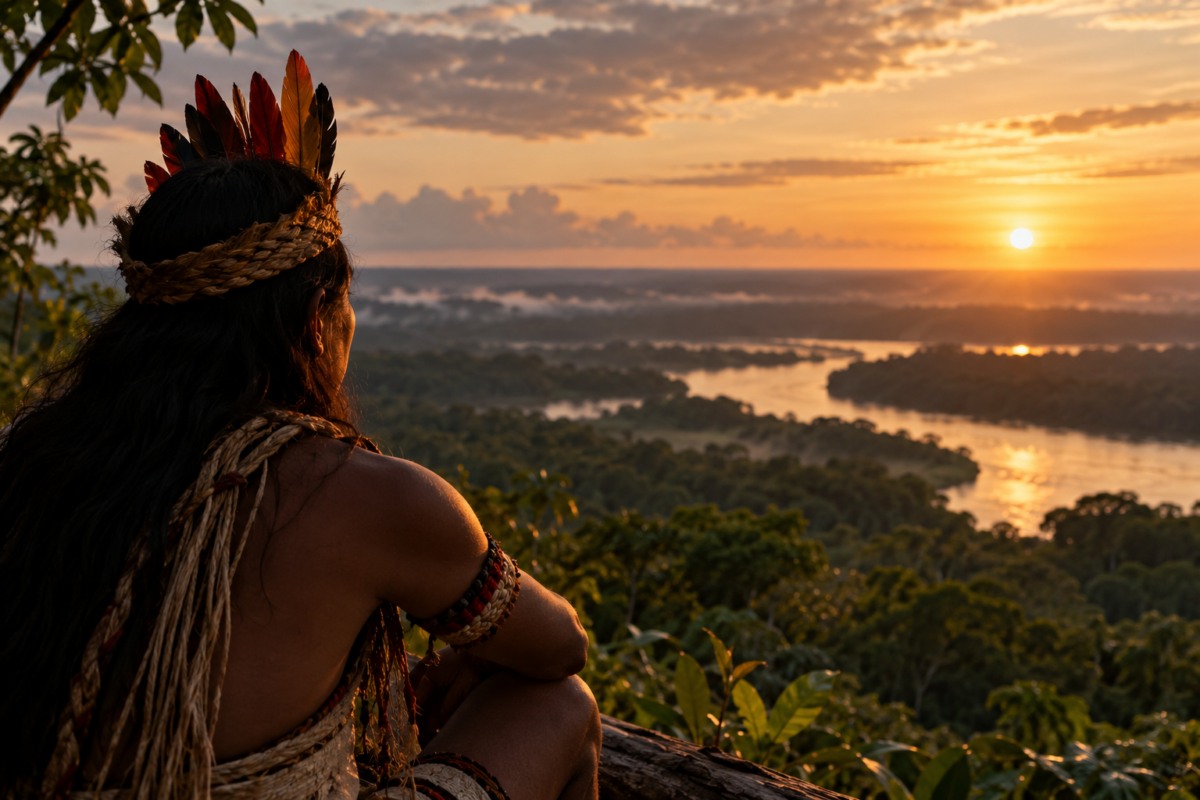
For Indigenous communities, the rainforest is not just home—it is a relative, an ancestor, a sacred temple where every tree, every river, every whisper of the wind is imbued with spirit. The forest does not merely provide; it speaks. It teaches. It holds the stories of countless generations who have walked in harmony with its rhythms.
The Huni Kuin say that the trees are wise beings, standing tall in silent communion with the universe. The Yanomami believe that the spirits of the xapiri dance in the air, maintaining the balance between worlds. Among the Ashaninka, the vines and roots hold the memories of their ancestors, and to listen to the forest is to listen to the voice of Creation itself.
To live in the rainforest is to live in a world where time moves differently—where the cycles of the moon dictate planting and harvesting, where the river’s song determines the day’s rhythm, and where dreams are as much a part of reality as waking life.
And then, suddenly, that world is left behind.
The Shock of the City
Imagine the silence of the forest, where every sound has meaning—the call of a bird signaling rain, the rustle of leaves whispering the presence of a jaguar. Now, replace that with the deafening roar of traffic, the artificial glow of neon lights, and the hurried footsteps of people rushing through streets made of asphalt and steel.
For Indigenous people who leave their lands to seek work, education, or survival in the cities, the transition can be jarring. The city is a world that moves too fast, too disconnected from the breath of the Earth.
Here, the trees are no longer guardians but ornaments planted in squares. The rivers do not flow with life but are imprisoned beneath concrete. The stars are hidden behind layers of artificial light, and the connection to the spirit world becomes muffled beneath the weight of modern distractions.
For many, this disconnection is not just external—it is internal. The city imposes its own rhythms, its own logic, its own way of being. And in adapting to it, one risks forgetting the essence of where they came from.
The Invisible Struggles
The challenges of Indigenous people living in urban areas go far beyond culture shock. There are tangible struggles—racism, marginalization, poverty, and the loss of communal support that once defined life in the village. The city does not always welcome those who carry the wisdom of the jungle. Instead, it often forces them into the shadows, treating their traditions as relics of the past rather than living, breathing truths.
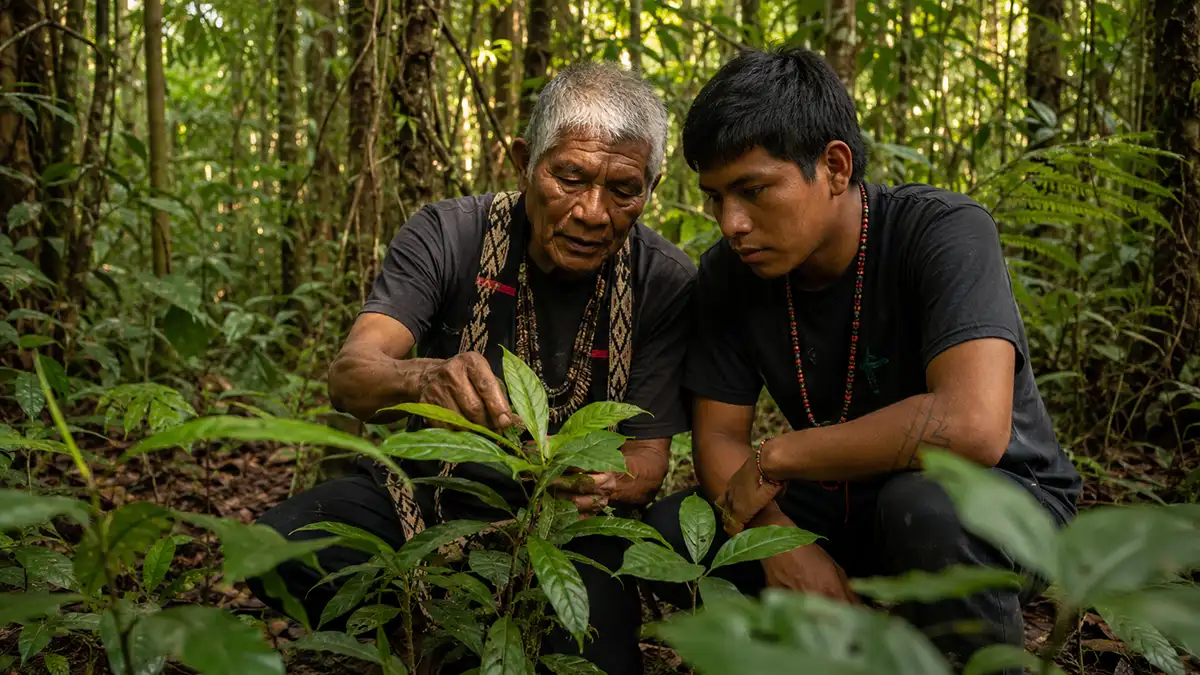
Many Indigenous youth grow up in cities without direct contact with their ancestral lands, torn between two worlds—one of ancestral memory and another that demands assimilation. Without the daily presence of elders to pass down their stories, without the rituals that once marked the passage of time, their identity can feel fragmented.
For some, the call of the forest is drowned out by the demands of urban survival. For others, it becomes a longing so deep that it aches in the bones, in the soul.
Remembering the Sacred
But even in the midst of the concrete jungle, the forest is never truly lost.
Its teachings remain woven into the songs passed down through generations. Its medicines remain, carried in sacred pouches of Rapé, in the memory of Ayahuasca visions, in the scent of Mapacho tobacco that still whispers prayers to the spirits.
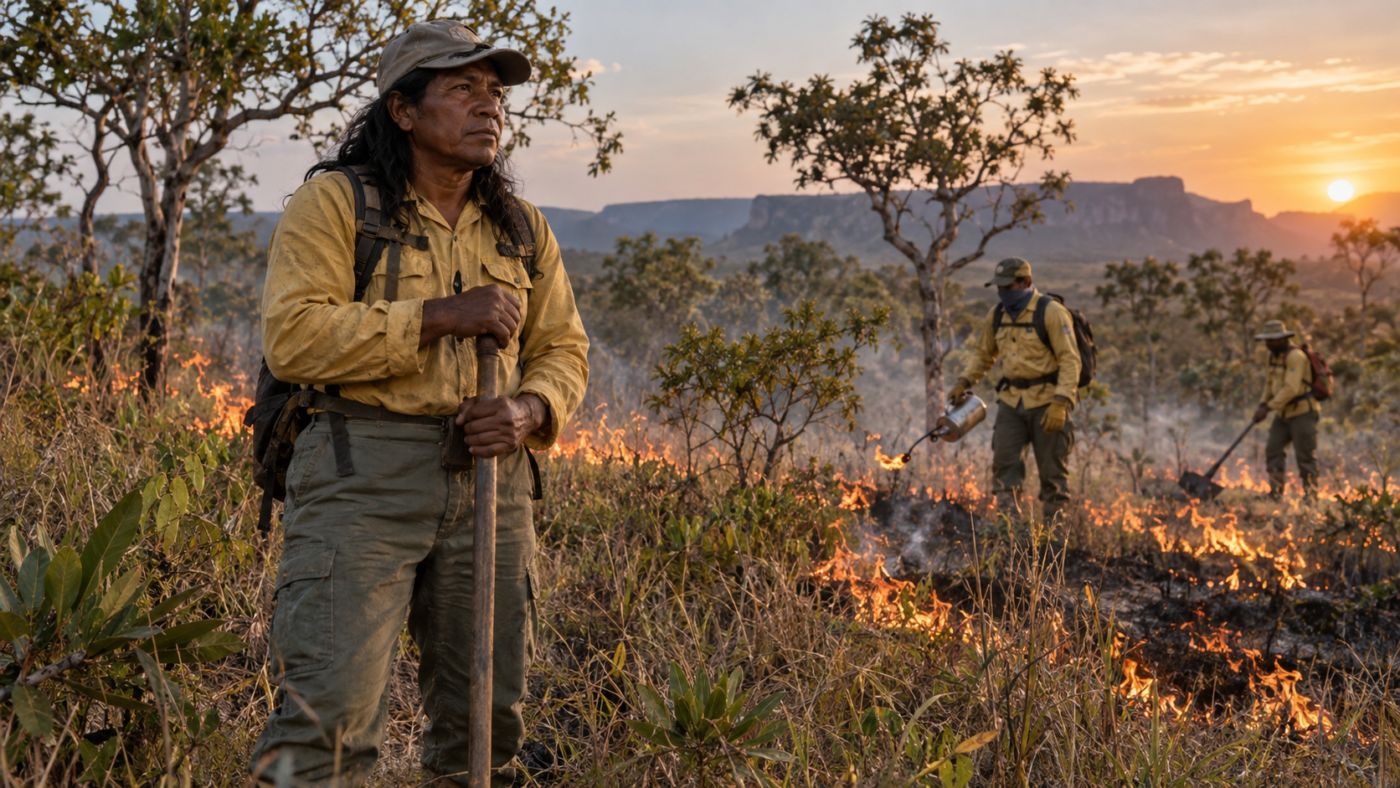
Many Indigenous people in cities today are finding ways to reconnect, to bring the wisdom of the rainforest into urban life. They hold ceremonies in hidden spaces, gather in small circles to share stories, and use their voices to advocate for the protection of their lands.
Some return home whenever they can, bringing back seeds—not just physical ones, but spiritual ones—to plant in the hearts of those who have forgotten. Others remain in the cities as bridges between worlds, teaching those willing to listen that the rainforest is not just a place—it is a state of being, a way of perceiving life that can exist anywhere, even among skyscrapers.
The Medicine of the Rainforest in the Modern World
At Queen of the Forest, we believe that the wisdom of the rainforest is not meant to remain locked away in isolated pockets of the world. It is meant to be shared, to be remembered, to awaken something ancient within each of us—whether we live by a river or in the heart of a bustling metropolis.
The sacred medicines of the jungle—Rapé, Sananga, Ayahuasca, Kambo—are not just tools for healing. They are messengers, bringing back the voices of the forest to a world that desperately needs to listen.
For those who live in the city but feel the call of the Earth, these medicines can be lifelines—ways to remember, to reconnect, to realign with the rhythms of the universe. They are invitations to slow down, to breathe, to see beyond the illusion of separation.
A Call to Remember
The transition from the rainforest to the city is not just an Indigenous experience. In many ways, it reflects the journey of modern humanity itself—a species that has drifted away from its roots, from its connection to the natural world, from the sacred balance that once guided its steps.
But the forest is patient. It waits. It calls. And for those who are willing to listen, its wisdom is still there, pulsing beneath the noise, beneath the distractions, beneath the illusion of disconnection.
Perhaps you have felt this call—the yearning for something deeper, the sense that there is an ancient knowing that has not been lost, only forgotten. If so, we invite you to explore, to remember, to reconnect.
The medicines of the forest are waiting. The spirits are waiting. And no matter how far we stray, the path home is always open.
Continue exploring
All stories
The medicines of the forest