Rapéh and the Sacred Pause: Why Stillness Is Medicine

There is a silence that exists beneath the noise of the world. It is not the absence of sound but the presence of something deeper—a quiet field of awareness that waits patiently beneath our thoughts, emotions, and restless movements. Many spiritual traditions speak of this inner stillness as a place of healing and clarity. In the traditions of the forest, rapéh is often used as a doorway into that sacred pause.
Modern life rarely allows us to experience true stillness. Our days are filled with constant stimulation—messages, responsibilities, screens, traffic, conversations, and the endless flow of information. Even when we are physically resting, the mind often continues moving. Thoughts race forward into the future or circle back into the past. Rarely do we pause long enough to simply inhabit the present moment.
The sacred pause is the moment when that movement stops.
It is the moment when the mind quiets and awareness opens. In this space, something subtle begins to emerge: a sense of alignment between body, breath, and consciousness. Many people who work with rapéh describe the medicine as a tool that helps them reach this state more quickly and more deeply.
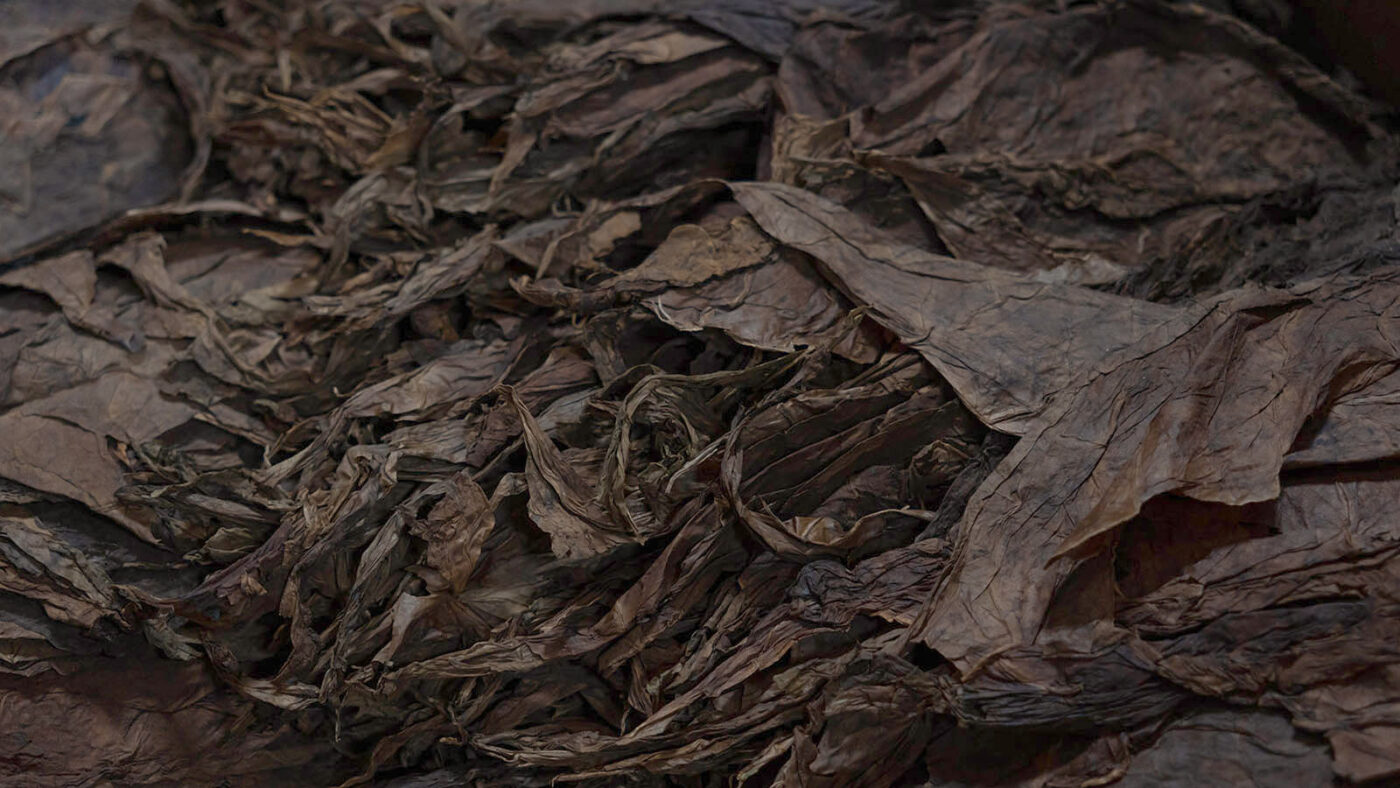
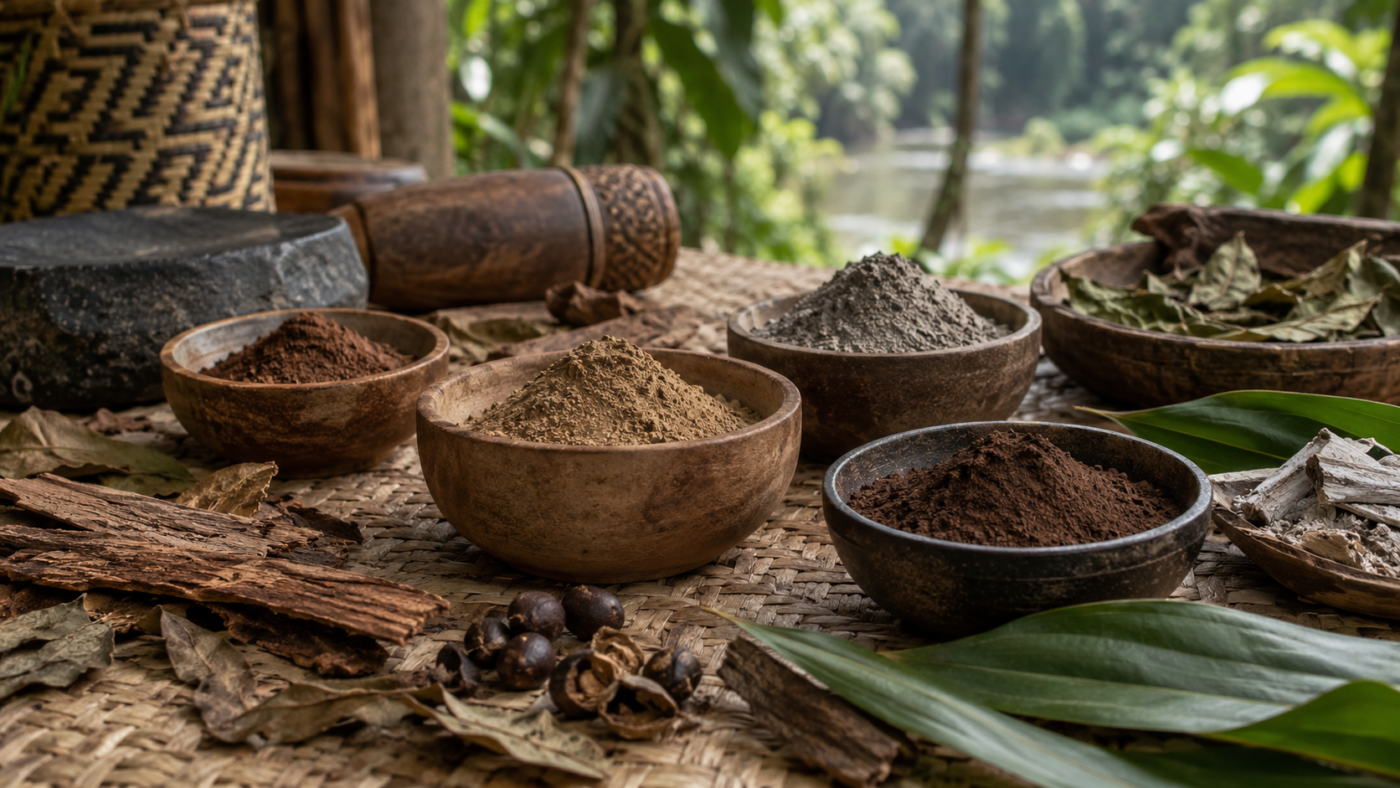
Rapéh is a sacred snuff traditionally prepared by Indigenous peoples of the Amazon rainforest. Made from finely powdered mapacho tobacco and the ashes of specific medicinal plants or trees, each blend carries its own character and energetic quality. For centuries, it has been used by tribes in ceremonies, healing practices, and moments of prayer or concentration.
Although the physical sensation of rapéh can be strong, the deeper purpose of the medicine is not stimulation but clarity. When applied through a kuripe or tepi applicator, rapéh produces an immediate grounding effect. The breath changes. The mind becomes quiet. Attention shifts inward.
This is the beginning of the sacred pause.
In many ways, rapéh functions as a bridge between the body and the mind. The strong sensation in the sinuses and the sudden rush of awareness interrupt the usual flow of thoughts. For a moment, the mental chatter that dominates everyday consciousness simply stops. The body becomes present. The breath deepens. The mind becomes alert yet calm.
What emerges in that moment is a kind of stillness that is difficult to reach through effort alone.
Meditation traditions around the world emphasize the importance of observing the breath as a way to enter deeper awareness. The breath is the most immediate rhythm of life. It reflects our emotional state, our level of tension, and our connection to the present moment. When we are anxious or distracted, the breath becomes shallow and irregular. When we relax, it slows and deepens.
Rapéh often intensifies our awareness of this rhythm.
After the medicine is received, many practitioners instinctively close their eyes and begin breathing slowly through the nose or mouth. The body may lean slightly forward, grounding itself in the moment. Thoughts that were previously loud and demanding fade into the background. Instead of chasing ideas or worries, the mind begins to watch the breath as it moves in and out.
This simple act of breathing becomes an anchor.
In the traditions of the forest, silence is not seen as emptiness. It is understood as a space where communication becomes possible. When the mind is quiet, subtle insights can arise. Feelings that were buried beneath distraction may surface. The body may release tension that has been held unconsciously for years.
Rapéh does not force these experiences to happen, but it can create the conditions that allow them to unfold.
For many people, the greatest challenge in spiritual practice is learning to stop. Our culture celebrates movement, productivity, and constant activity. Even practices intended for healing can become goals to achieve or problems to solve. We try to meditate better, breathe more deeply, or reach higher states of awareness.
The sacred pause invites us to let go of that effort.
Instead of striving, it asks us to simply be.
This shift can feel unfamiliar at first. The mind may resist stillness because it is accustomed to controlling every moment. When silence appears, the mind often rushes to fill it with new thoughts. But if we remain patient, something remarkable begins to happen.
The silence deepens.
Gradually the nervous system relaxes. The breath settles into a natural rhythm. The body becomes heavy and grounded. Awareness expands beyond the boundaries of the individual self, creating a feeling of connection with the surrounding environment.
In a forest setting, this experience can be especially powerful. The sounds of insects, birds, wind, and distant water blend into a living tapestry of natural rhythms. Instead of competing with the mind, these sounds seem to guide it into deeper calm. The forest itself becomes a teacher of stillness.
Indigenous cultures of the Amazon have long understood the importance of this relationship with nature. Many ceremonies take place at night or during the quiet hours before dawn, when the world naturally becomes more silent. In these moments, the boundary between inner and outer awareness begins to soften.
Rapéh is often used during these periods to help participants align with the subtle rhythms of the environment.
The medicine encourages humility and presence. Rather than elevating the ego, it tends to dissolve it. People often describe feeling grounded, clear, and deeply connected to the Earth. The physical sensation may last only a few minutes, but the clarity that follows can extend much longer.
This clarity is one of the reasons rapéh is sometimes referred to as a medicine of focus.
In moments of confusion or emotional turbulence, the sacred pause created by rapéh can reveal a different perspective. Thoughts that once seemed overwhelming may lose their urgency. Decisions that felt complicated may become simpler. Instead of reacting automatically to every emotion, the mind begins to observe them with greater calm.
This is not escape. It is awareness.
The sacred pause allows us to step outside the habitual patterns that shape our daily lives. By interrupting these patterns, rapéh opens a window where new understanding can arise. Sometimes this understanding appears as insight. Other times it appears as a quiet sense of peace.
Both forms are medicine.
Silence itself has long been recognized as a powerful healer. Monastic traditions, contemplative retreats, and wilderness journeys all rely on periods of silence to restore balance. When the mind is constantly stimulated, it becomes difficult to process experiences fully. Emotions accumulate without resolution. Stress builds gradually until it manifests in the body.
Stillness provides a natural antidote.
In silence, the nervous system recalibrates. The brain shifts from states of urgency into states of reflection and integration. The body releases tension. Even the immune system appears to function more effectively when stress levels decrease.
The sacred pause is therefore not only spiritual; it is biological.
Rapéh meditation combines these dimensions. The ritual preparation of the medicine creates a moment of intention. The application of rapéh produces a physical reset. The following silence allows the mind and body to realign.
What begins as a brief pause can gradually become a deeper practice.
Many people incorporate rapéh into daily or weekly rituals of reflection. Some use it at sunrise, when the mind is naturally quiet and receptive. Others prefer the evening, when the events of the day can be released into stillness. The specific timing is less important than the attitude with which the practice is approached.
Respect and intention are essential.
In the traditions of the Amazon, rapéh is never treated casually. It is considered a sacred ally, a plant medicine that deserves humility and gratitude. Before receiving the medicine, practitioners often take a moment to center themselves, breathing slowly and forming a clear intention for the session.
The intention does not need to be elaborate.
Sometimes it is simply a desire for clarity. Sometimes it is a prayer for balance or healing. At other times it may be a request for guidance in difficult situations. Whatever the intention, the sacred pause that follows allows space for the answer to emerge naturally.
Not every session brings dramatic revelations. Often the medicine works quietly, helping the practitioner release mental noise and return to the present moment. Over time, these small moments of stillness accumulate, gradually transforming the way a person relates to life.
Instead of reacting impulsively, one begins to respond with awareness.
Instead of rushing constantly from task to task, moments of pause appear naturally throughout the day. Breathing becomes more conscious. Emotions become easier to observe without being overwhelmed by them.
In this way, the sacred pause extends beyond the ritual itself.
It becomes a way of living.
The world we inhabit is moving faster than ever before. Technologies accelerate communication, economies demand constant productivity, and social pressures push us to remain perpetually engaged. In such a climate, stillness can feel almost radical.
Yet the human mind was never designed for endless stimulation.
Like the forest itself, our inner world requires cycles of activity and rest. Just as trees release moisture into the sky and then receive rain in return, the mind must release thoughts into silence before clarity can return.
Rapéh meditation reminds us of this forgotten rhythm.
It invites us to step out of the current of constant movement and rediscover the quiet center that exists within every breath. In that center lies a simple but profound realization: stillness is not emptiness. It is presence.
And presence, in its deepest form, is medicine.
Continue exploring
All stories
The medicines of the forest