
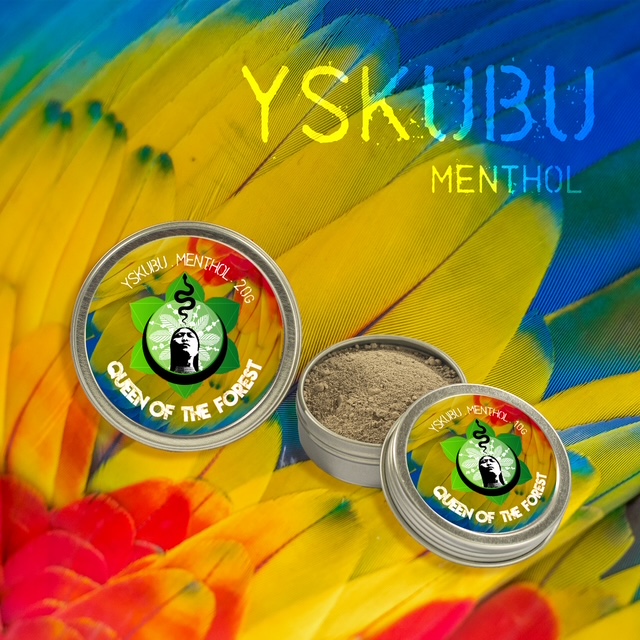

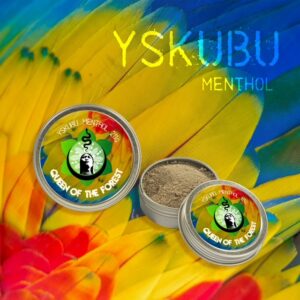
Yskubu Menthol Rapé (Hapé) – Fresh & Clearing
❄️ Menthol Rapéh – Cooling Clarity & Breath Renewal
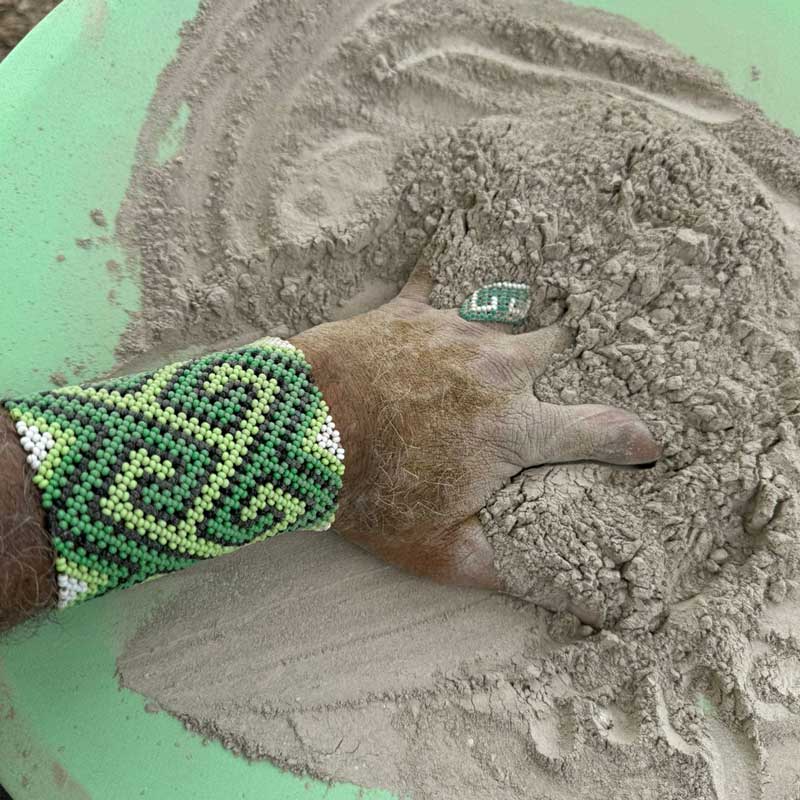
Made from Tsunu ashes infused with natural menthol, this blend is both refreshing and cleansing. Acts as a natural expectorant and nasal decongestant, opening the airways while grounding the mind — perfect for breathwork, meditation, or clearing the senses.
10g is great to begin, 20g for regular use, 50g for ceremony or sharing.
🌿 Fast Shipping from USA
🤝 Ethically Sourced from Indigenous Communities
🔥 Fresh • Small-Batch • Authentic Production
Prepared and shipped with care from the USA.
This blend is resting. These are ready today.

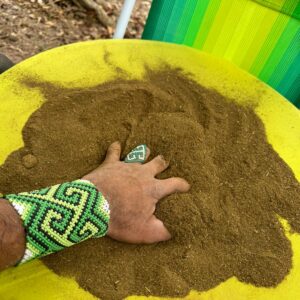
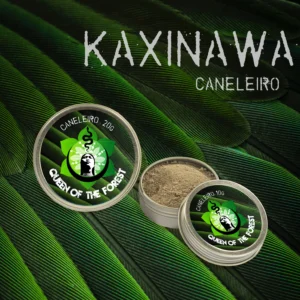
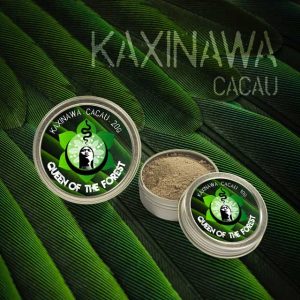
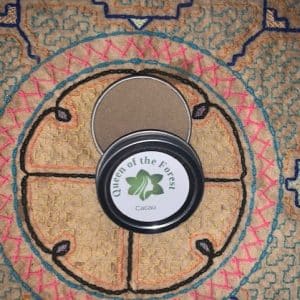
❄️ Menthol Rapéh – Tsunu & Menthol for Nasal Clarity, Breathwork & Focus
The Menthol Rapéh blend combines the grounding power of Tsunu ashes with the cooling clarity of natural menthol. Known for its expectorant and nasal decongestant properties, this sacred snuff clears the respiratory pathways, enhances oxygen flow, and refreshes the mind.
Ideal for meditation, breathwork, and clearing ceremonies, Menthol Rapéh helps release congestion, improve focus, and create a crisp sense of mental sharpness. Its invigorating energy also supports energetic cleansing and grounding.
✨ Main Benefits:
- Natural expectorant and nasal decongestant
- Clears and refreshes the respiratory system
- Enhances focus and mental clarity
- Combines Tsunu’s grounding with menthol’s cooling effect
Why Choose Queen of the Forest?
At Queen of the Forest, we are dedicated to bringing you authentic, high-quality indigenous products that honor and support the traditions of the Amazonian tribes. By choosing our Menthol Rapéh, you are not only enhancing your spiritual journey but also contributing to the preservation of the rainforest and its inhabitants.
What is Rapé? Exploring the Sacred Snuff’s Benefits, Pitfalls, and Cultural Significance
Rapé (pronounced ha-PAY) is a traditional snuff made from powdered plants, primarily tobacco, used by various Indigenous tribes of the Amazon basin. Its use dates back thousands of years and holds deep spiritual, medicinal, and cultural significance. This blog post delves into the essence of rapé, its benefits, potential pitfalls, its connection to the sacred, and the diverse recipes and traditions upheld by different tribes. For a focused primer, see our complete guide on what rapéh is.
The Origins and Cultural Significance of Rapé
Rapé is not just a substance but a sacred tool used in shamanic rituals and ceremonies. The word “rapé” itself comes from the Portuguese term for snuff. Indigenous tribes, including the Yawanawá, Huni Kuin (Kaxinawá), and Matsés, among others, have been using this powerful medicine for centuries. Each tribe has its unique formulation and ritualistic use of rapé, reflecting their spiritual beliefs and connection to the earth.
The Preparation and Ingredients of Rapé
The primary ingredient in rapé is Nicotiana rustica, a potent type of tobacco known for its high nicotine content. However, rapé is not limited to tobacco; it often includes a mixture of other sacred and medicinal plants, ashes, and tree barks. These ingredients are finely ground into a powder, creating a potent and aromatic blend. Some common additives include:
- Ashes (Tsunu, Murici, Yarumo): These are used to alkalize the blend, enhancing its absorption and effects.
- Medicinal Plants (Cacao, Mint, Clove): Various plants are added for their unique healing properties and aromatic qualities.
- Tree Barks (Pau Pereira, Imburana): These contribute to the grounding and protective properties of rapé.
Each tribe has its secret recipes passed down through generations, making each rapé blend unique and tailored to specific spiritual or healing purposes.
The Benefits of Rapé
Rapé offers a myriad of benefits, both physical and spiritual. Its use is often accompanied by profound experiences, ranging from deep meditation to emotional release. Read more about the benefits of rapéh for body, mind, and spirit. Here are some of the primary benefits:
- Cleansing and Purification: Rapé is known for its powerful cleansing properties. It helps clear physical and energetic blockages, detoxifying the body and mind.
- Mental Clarity and Focus: The use of rapé can enhance mental clarity and focus. It is often used to ground oneself before meditation or spiritual practices.
- Emotional Release: Many users report significant emotional release during rapé sessions. It helps in processing and letting go of deep-seated emotions.
- Spiritual Connection: Rapé is a sacred tool used to deepen one’s spiritual connection. It opens up the channels for communication with the spirit world and higher consciousness.
- Physical Health Benefits: Rapé can also have various physical health benefits, including relief from headaches, respiratory issues, and sinus congestion.
The Ritual and Use of Rapé
The administration of rapé is itself a ritual. It is usually blown into each nostril using a pipe called a “tepi” (administered by another person) or a “kuripe” (self-administered). The blow should be strong and quick, ensuring that the rapé is evenly distributed in the nasal passages. For a step-by-step beginner walkthrough, see our guide on how to use rapéh.
- Setting the Intention: Before using rapé, it is essential to set a clear intention. This could be for healing, clarity, protection, or any other purpose.
- The Blow: The process of receiving rapé is often referred to as “taking a blow.” The force of the blow helps to open up the channels and allows the rapé to work its magic.
- Integration: After the blow, it is crucial to sit in silence and allow the rapé to integrate. This is a time for reflection, meditation, and connection with the self and the spirit world.
Potential Pitfalls and Precautions
While rapé offers numerous benefits, it is not without its pitfalls. Being a potent substance, it should be used with respect and caution.
- Overuse: One of the most common pitfalls is overuse. Rapé should be used sparingly and with intention. Overuse can lead to dependency and diminish its effectiveness.
- Physical Reactions: Some users may experience strong physical reactions, such as nausea, dizziness, or vomiting. These reactions are often part of the cleansing process but can be intense for some.
- Quality and Authenticity: The quality and authenticity of rapé are crucial. It is essential to source rapé from reputable suppliers who work directly with Indigenous tribes.
- Legal and Health Considerations: In some places, the use of rapé might be restricted by law. Additionally, individuals with certain health conditions should consult with a healthcare professional before using rapé.
The Connection to the Sacred
For many Indigenous tribes, rapé is not merely a snuff but a sacred medicine. It is a bridge to the divine, a tool for healing, and a means of connecting with nature and the spirit world.
- Shamanic Practices: Shamans use rapé as part of their healing practices. It is believed to open the channels to the spirit world, allowing shamans to receive guidance and insight.
- Ceremonial Use: Rapé is often used in ceremonies to invoke the spirits, protect against negative energies, and bring about transformation and healing.
- Daily Rituals: For some tribes, the use of rapé is integrated into daily life, helping to maintain balance, focus, and connection to the earth.
Diverse Recipes and Traditions
The preparation and use of rapé vary significantly among different tribes, each with its unique recipes and traditions.
- Yawanawá Tribe: Known for their powerful and intense rapé, the Yawanawá use a blend that includes strong tobacco and medicinal plants. Their rapé is often used for deep spiritual cleansing and healing.
- Huni Kuin Tribe: The Huni Kuin, also known as the Kaxinawá, create rapé that is often used for protection and grounding. Their blends include a variety of ashes and plant materials.
- Matsés Tribe: The Matsés tribe’s rapé is known for its gentle yet profound effects. It is used to enhance focus and clarity during shamanic journeys.
- Katukina Tribe: The Katukina rapé is often used for physical healing, particularly for respiratory issues. It includes a blend of tobacco and specific medicinal plants.
Each tribe’s rapé reflects their unique relationship with nature, their spiritual practices, and their understanding of the medicine.
Modern Use and Global Reach
In recent years, rapé has gained popularity beyond the Amazon basin. Many people worldwide are discovering its benefits and incorporating it into their spiritual practices. However, it is essential to approach rapé with respect for its cultural origins and significance.
- Ethical Sourcing: As rapé becomes more popular, it is crucial to source it ethically. This means supporting Indigenous communities and ensuring that the production of rapé is sustainable.
- Education and Respect: Those new to rapé should educate themselves about its history, cultural significance, and proper use. It is vital to approach rapé with reverence and respect.
- Integration into Modern Practices: Many are finding ways to integrate rapé into modern spiritual and wellness practices, from yoga and meditation to personal development.
Rapé is a sacred medicine with deep roots in the Amazonian traditions. Its use offers numerous benefits, from physical healing to spiritual connection. However, it is essential to approach rapé with respect, caution, and an understanding of its cultural significance. As we embrace the wisdom of Indigenous tribes, we open ourselves to the profound healing and transformative power of this ancient medicine.
In a world where many are seeking connection, clarity, and healing, rapé serves as a powerful reminder of the deep wisdom that lies within nature and the importance of preserving and honoring Indigenous traditions.
| Weight | 10 Grams, 20 grams, 50 grams, 100 grams, 250g, 500g |
|---|
Be the first to review “Yskubu Menthol Rapé (Hapé) – Fresh & Clearing”
You must be logged in to post a review.
Related products
Reviews
There are no reviews yet.