The Cry of the Animals: Endangered Species in the Amazon and Humanity’s Silence
From the manatee to the pink river dolphin, how climate change is extinguishing the sacred voices of the forest and what their spiritual presence still whispers to those who listen.
In the depths of the Amazon Rainforest, where trees stretch toward the sky like silent prayers and rivers carve ancient pathways through the Earth, a cry is rising. It is not the roar of thunder, nor the wind through the canopy. It is the cry of animals — species whose voices have echoed through time but are now fading into silence.
From the gentle manatee gliding beneath murky waters to the mystical pink river dolphin that once guided fishermen through the currents, the beings of the forest are disappearing. Their absence is not just ecological — it is spiritual. For in the traditions of Amazonian peoples, each animal holds not only a place in the ecosystem, but a role in the mythic and symbolic fabric of life.
This is a story of extinction, yes. But it is also a story of meaning, memory, and the call to remember what it means to live in relationship with the more-than-human world.
Disappearing Voices: The Reality of Extinction in the Amazon
The Amazon is home to over 10% of all known species on Earth, yet today, many of its iconic animals are facing unprecedented threats due to deforestation, pollution, illegal hunting, and — increasingly — climate change.
Some of the most threatened include:
- Amazonian Manatee (Trichechus inunguis):
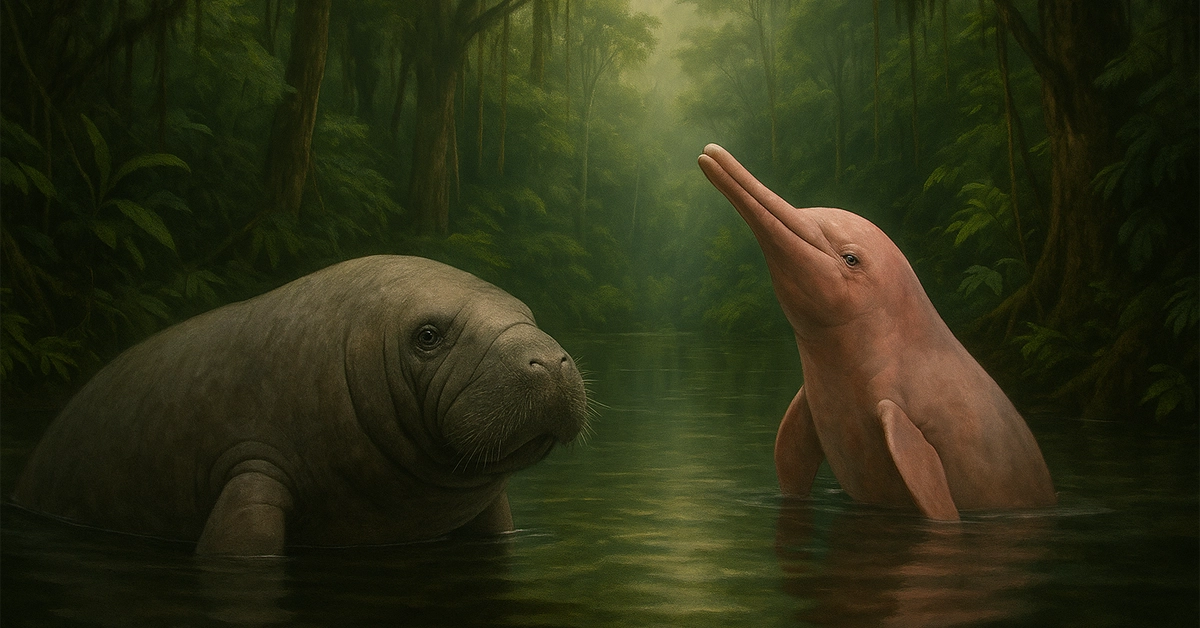
Once abundant, these herbivorous gentle giants are now endangered due to habitat loss and hunting. As droughts dry up key river systems and boat traffic increases, their chances for survival diminish. - Pink River Dolphin (Inia geoffrensis):
Revered in Indigenous mythology, this species is under severe threat due to mercury contamination from illegal mining, hydroelectric dams, and a dramatic rise in water temperatures. - Giant Otter (Pteronura brasiliensis):
Highly social and intelligent, giant otters are declining due to habitat degradation and human encroachment. - Jaguar (Panthera onca):
The sacred feline of the forest — a symbol of power and protection — is losing its territory. As fragmentation continues, the jaguar is pushed toward the edge of survival. - Harpy Eagle (Harpia harpyja):
One of the largest and most powerful raptors in the world, the harpy eagle is now rarely seen in regions where it once thrived.
While the threats vary, the pattern is clear: as the forest dies, so do its voices.
More Than Biology: The Spiritual Significance of Forest Animals
To many Indigenous cultures, animals are not just fauna — they are relatives, protectors, messengers, and keepers of ancestral memory.
Each species is seen as embodying a unique energy or spiritual essence. Their presence — in dreams, ceremonies, or physical encounters — is interpreted as a sign or teaching. This deep respect is the foundation of animism, a worldview that sees all beings as alive, interconnected, and imbued with spirit.
Let us explore the deeper meanings behind some of these sacred beings:
Pink River Dolphin (Boto)
In many Amazonian legends, the pink dolphin is a shape-shifter — capable of transforming into a human to seduce, teach, or test. It is associated with mystery, intuition, and the watery depths of the subconscious. To see a boto is to receive a message from the unseen world. Its disappearance is not just ecological, but a silencing of ancient stories and spiritual dialogues.
Jaguar (Onça-Pintada)
The jaguar is a guardian between worlds — both feared and revered. It walks between day and night, life and death. For shamans, the jaguar is often a power animal, guiding visions and protecting during spiritual journeys. Its decline represents a loss of protective force in the spiritual realm — a weakening of nature’s sovereignty.
Amazonian Manatee (Peixe-Boi)
Gentle and slow-moving, the manatee is linked to peace, feminine energy, and ancient wisdom hidden in silence. Its presence is calming; its extinction speaks to the loss of softness in a world that moves too fast and consumes too greedily.
Harpy Eagle
Often called the “queen of the skies”, this eagle sees what others cannot. It symbolizes vision, clarity, and divine observation. As her wings cease to soar over once-thriving canopies, so too does the higher perspective that such creatures offer disappear.
The Role of Climate Change
While hunting and land conversion are long-standing threats, climate change is accelerating extinction in new and deadly ways:
- Prolonged droughts are drying up aquatic habitats, isolating animal populations and reducing food sources.
- Record-high water temperatures in rivers, like the 39°C seen in parts of the Amazon in 2023, have led to mass die-offs of fish and aquatic mammals.
- Changes in rainfall are altering reproductive cycles, migration patterns, and food availability.
- Rising CO₂ levels are even changing the nutritional value of plants, indirectly impacting herbivores.
These changes are not theoretical — they are measurable, visible, and tragic.
In 2023, over 150 dolphins died in a single week in Lake Tefé due to high temperatures and low oxygen levels. This is not an anomaly. It is a signal of collapse.
What Are We Really Losing?
When we lose a species, we lose more than a line on a biodiversity chart.
We lose:
- A sacred voice in the orchestra of life.
- A guardian spirit that once walked beside healers and seekers.
- A story, often passed down for generations, now with no one left to tell it.
- A mirror, reflecting back to us aspects of ourselves — strength, joy, elegance, patience.
Animals remind us of who we are — or could be. They model survival, cooperation, beauty, and wildness. Their extinction is not only about them. It is about us.
It is about how disconnected we have become from the living world.
How blind we are to the spiritual threads that bind all beings together.
How easily we silence the voices that once taught us how to live in balance.
The Silence of Humanity
Why do we allow this to happen?
Perhaps because we have forgotten how to listen.
In many ways, modern culture is spiritually tone-deaf — numbed by noise, distracted by speed, and detached from the land.
The silence of humanity in the face of extinction is not just apathy — it is amnesia.
We have forgotten the ancient agreement: that humans are not the rulers of nature, but its students, caretakers, and relatives.
Can These Voices Be Saved?
There is still time — not to restore everything, but to prevent the worst.
What’s needed is not only science and policy, but reconnection.
Here’s how:
- Protect and Restore Habitats
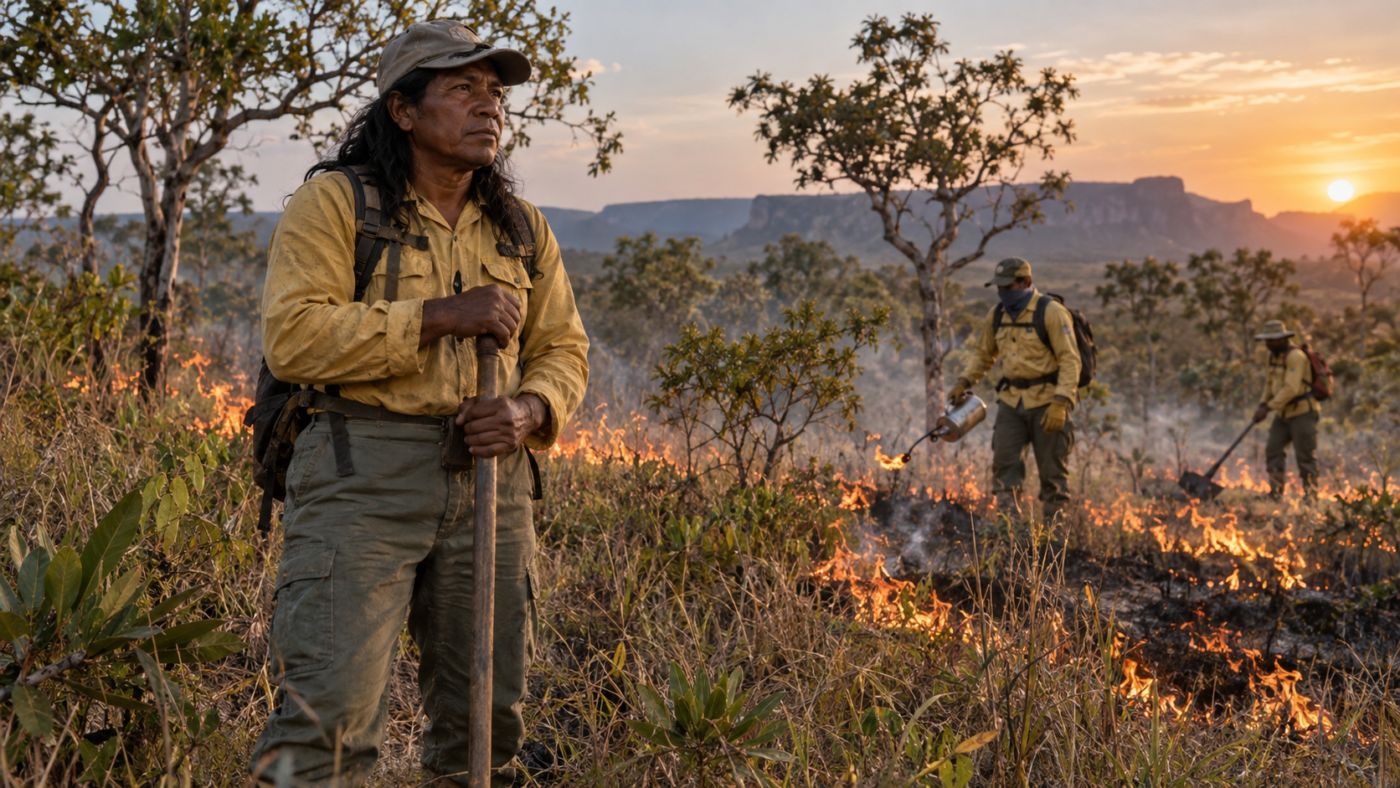
Support rewilding and conservation efforts led by Indigenous communities and scientists. Forests must remain intact — not as theme parks, but as sovereign territories. - Strengthen Indigenous Leadership
Indigenous people protect over 80% of the planet’s biodiversity. Their presence is the most effective conservation strategy known to science. Empower them with rights, resources, and respect. - Reform Consumption
Every product we buy sends a signal. Avoid those tied to deforestation (e.g., cattle, soy, gold). Choose brands that work with forest communities ethically. - Listen to the Elders — Human and Animal
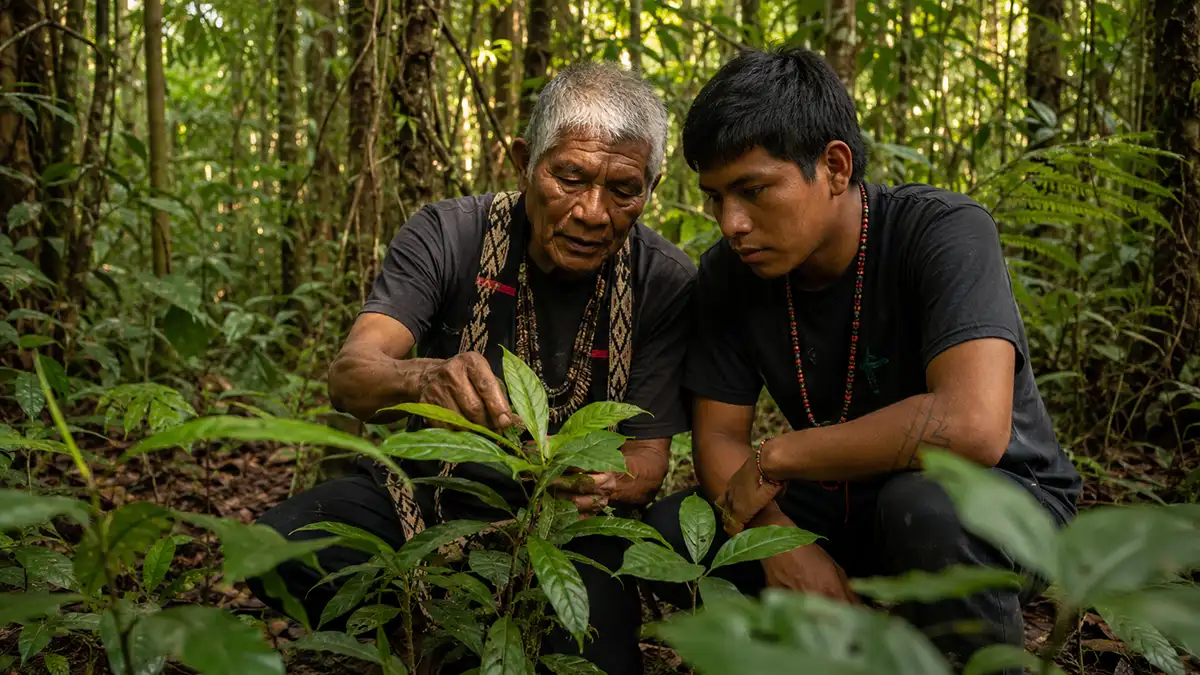
Study the stories of power animals. Learn from them. Integrate their teachings into your life. Let their presence shape your decisions. - Support Sacred Economies
Buy from organizations that partner directly with Indigenous artisans and medicine carriers. When we honor their economies, we help preserve the living web that sustains both animals and people.
Listening Before It’s Too Late
The cry of the animals is growing fainter.
But it is not gone.
If we quiet ourselves — in the forest, in ceremony, in our hearts — we may still hear it.
A splash in the water.
A roar in the night.
A whisper in a dream.
These are not just sounds.
They are calls to remember.
To protect.
To restore.
Let us not be the generation that silenced the sacred.
Let us be the ones who listened — and acted.
Because in the end, their fate is our fate.
And in saving them, we may yet save ourselves.
Continue exploring
All stories
The medicines of the forest