The Women of the Forest: The Myth and Spirit of a Tribe Composed Only of Women

Whispers of an All-Female Nation
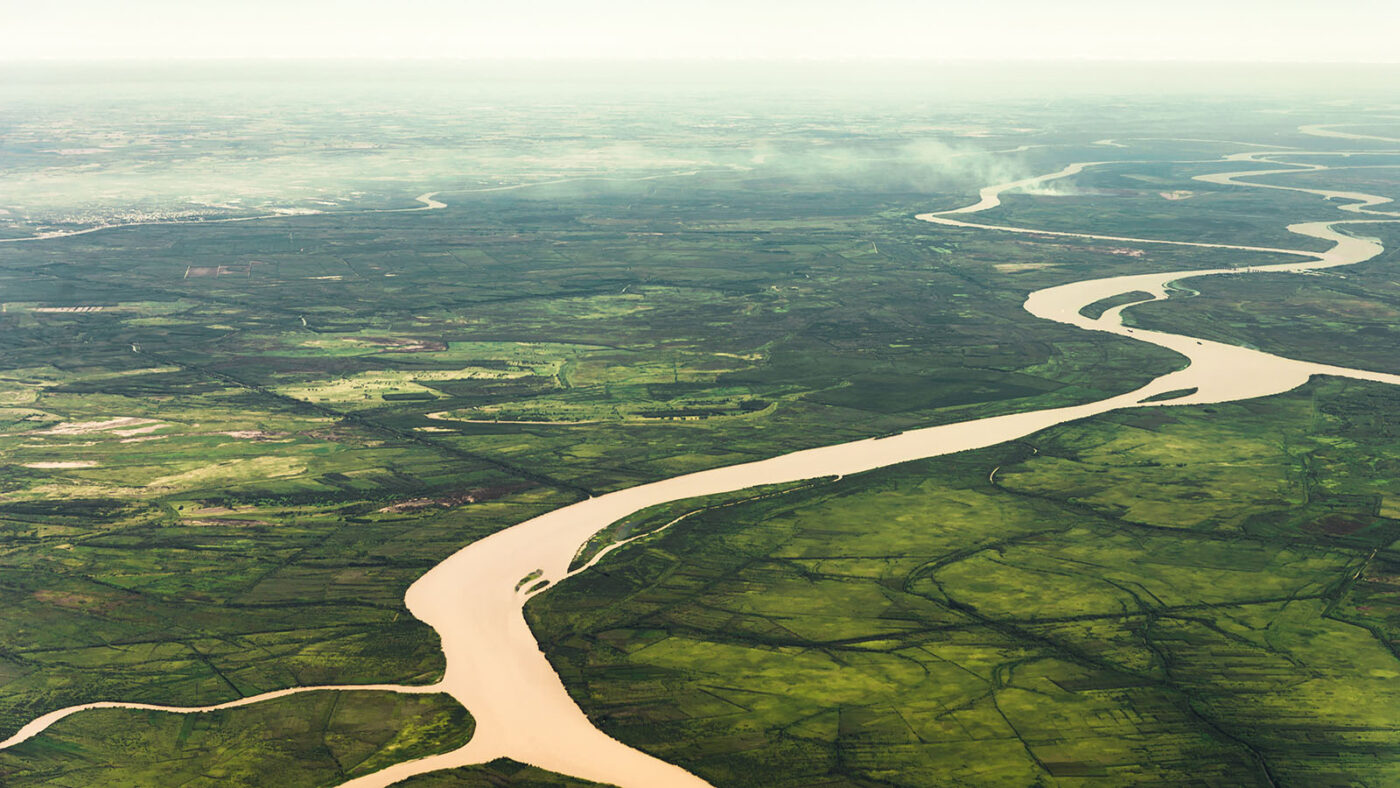
Deep in the endless green ocean of the Amazon rainforest, stories move with the rivers, travel on the wings of macaws, and echo in the voices of elders. Among the most captivating is the tale of a tribe composed entirely of women—an ancient society where the feminine principle reigns, where life is nurtured in balance, and where the wisdom of the forest is preserved through the lineage of mothers, daughters, and sisters.
Such stories may sound like myth, but they carry profound truths. Whether literal history or symbolic allegory, they reveal the imagination of peoples who recognized the sacred power of the feminine and envisioned societies built upon it. To explore the myth of the women-only tribe is to journey into a space between anthropology and cosmology, between memory and dream.
Origins of the Myth
Ancient Echoes
Across the world, legends of women-only communities appear in many cultures—the Amazons of Greek mythology, the matriarchal Mosuo of China, or the Minangkabau of Indonesia. In the Americas, too, colonial explorers and missionaries often recounted stories of warrior women inhabiting distant lands. In fact, the very name “Amazon” derives from European interpretations of Indigenous accounts about powerful women living along the great river.
Indigenous Roots
Among Amazonian peoples, oral traditions sometimes speak of villages where women separated from men to guard sacred knowledge or practice rituals in seclusion. These narratives are not always about permanent separation, but about periods of autonomy—moments when women carried their own lineage of medicine, song, and leadership. It is from these seeds that the story of a permanent, self-sufficient female tribe arises.
Life in the Women’s Tribe
Social Structure
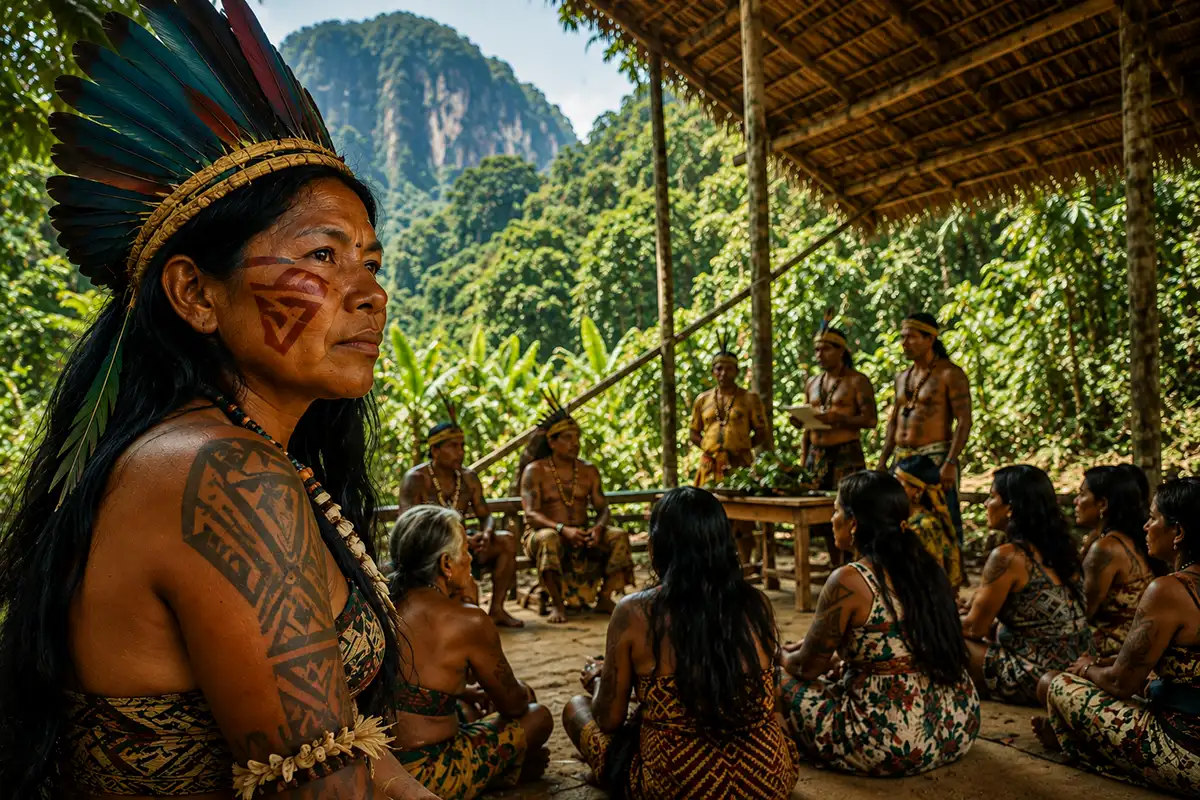
Imagine a village hidden along a tributary of the Amazon, built in harmony with rivers and towering ceibas. The tribe is organized around circles rather than hierarchies. Elders hold authority through wisdom, while younger women carry responsibilities of hunting, fishing, and cultivation. Children are raised communally, each one belonging to all.
Leadership is fluid. A woman skilled in healing might guide in times of illness, while another with keen hunting vision takes charge of food supply. Decisions are reached through consensus, guided by rituals that consult the spirits of the forest.
Spirituality and Rituals
The spiritual life of this tribe is centered on the balance of energies. The moon, seen as the great feminine mirror in the sky, governs their cycles of ceremony. Full moons are times of song and dance, where women paint their bodies with urucum and genipapo, invoking ancestral spirits.
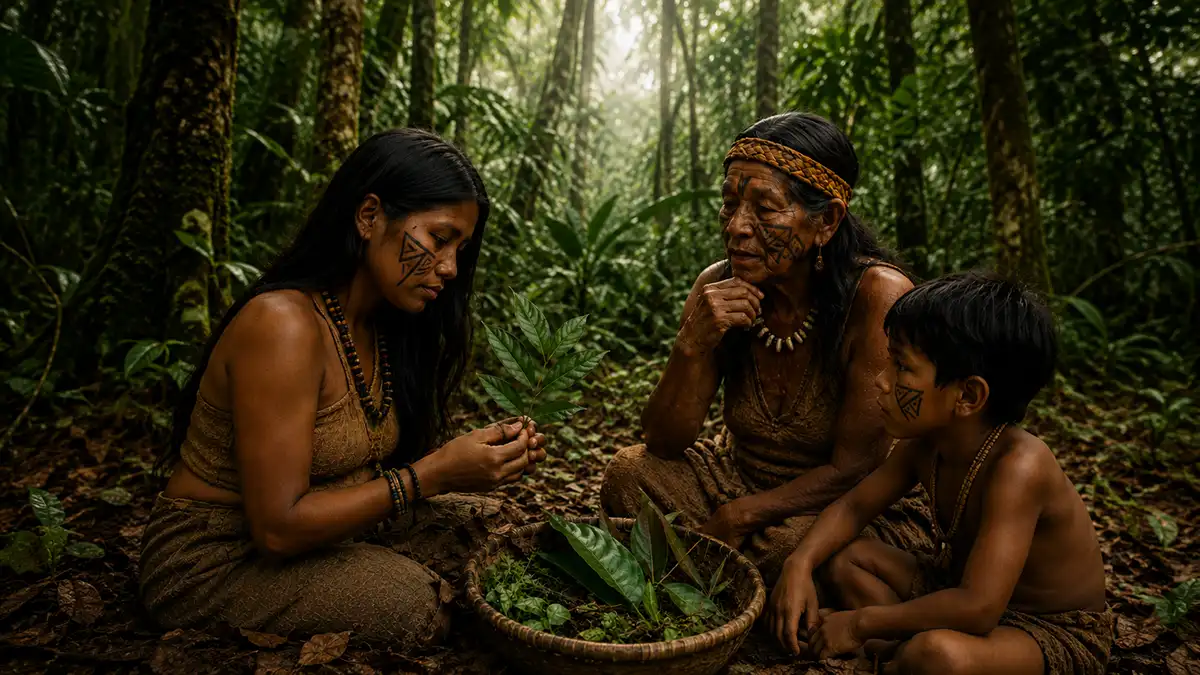
Medicinal plants—such as rapéh, sananga, and the sacred tobacco mapacho—are used to connect with the invisible realms. Without men, the tribe emphasizes the feminine quality of receptivity, intuition, and dream-vision. Shamans, or pajés, are always women, mediating between the human world and the forces of the forest.
Economy and Sustenance
Hunting, though practiced, is done with strict respect. Fishing provides much of the protein, while gardens of manioc, plantains, and medicinal herbs surround the village. Craftsmanship is highly developed—women weave hammocks, bead necklaces, and carve ritual tools. Trade with neighboring tribes may exist, but the tribe’s myth emphasizes self-reliance and sovereignty.
The Role of Men
Outsiders and Visitors
How could such a tribe sustain itself biologically? Myths often suggest that once a year, during certain festivals, the women receive men from neighboring tribes. Some versions claim they accept only the strongest or most spiritually aligned. Male children born from these unions may be returned to the fathers’ tribes, while female children remain to perpetuate the women’s nation.
Symbolic Interpretations
Whether or not literal, this arrangement reflects a symbolic truth: the tribe is not about rejecting men, but about preserving the primacy of feminine power. It is an allegory of balance—men exist, but the women choose when and how to engage, keeping control over reproduction, lineage, and knowledge transmission.
Myths and Legends
The Serpent’s Blessing
One legend tells of a celestial serpent who appeared to a group of women fleeing war. The serpent offered them a pact: if they lived together in harmony and guarded the secrets of the forest, they would never be conquered. From the serpent came the art of healing, the songs of power, and the ability to call rain.
The River of Milk
Another story speaks of a mystical river that flows near the tribe. During ceremonies, its waters turn white like milk, symbolizing nourishment. Elders say this river is the manifestation of the women’s collective energy, flowing from their prayers and fertility.
Encounters with the Outside World
Colonial Accounts
Early European explorers wrote about “nations of women” in the Amazon, often with fascination and fear. These accounts blended Indigenous stories with European imaginations of the “Amazon warrior,” creating a hybrid myth that persists to this day. While some saw them as warriors, others described them as priestesses guarding sacred temples.
Anthropological Speculations
Modern anthropologists suggest that these myths might have originated from matrilineal clans, or from temporary separations during rituals such as menstruation or childbirth. However, Indigenous storytellers themselves emphasize that the myth is not about anthropology, but about sacred teaching—the reminder that feminine power is essential to balance life.
Symbolism of a Women-Only Tribe
Feminine Power
The myth highlights the creative force of the feminine—fertility, intuition, receptivity, and resilience. A society run by women symbolizes healing and restoration, countering the violence often associated with male-dominated systems.
Balance of the Cosmos
In Amazonian cosmology, everything has a counterpart: day and night, sun and moon, man and woman. A tribe of women embodies the principle that one side can sustain itself while still recognizing the other. It is a teaching of autonomy within interdependence.
Ecological Wisdom
The myth also mirrors the Earth itself—often personified as Mother. Just as the forest nourishes, shelters, and regenerates, so too does the tribe of women represent the protective and life-giving face of humanity.
Modern Resonances
Indigenous Feminine Leadership
Across the Amazon today, women are rising as leaders of resistance against deforestation, mining, and cultural erasure. Figures like Sonia Guajajara (Minister of Indigenous Peoples in Brazil) embody the continuation of this myth in political form. Many Indigenous women lead environmental campaigns, linking the protection of the forest with the protection of the feminine.
Inspiration for Women Globally
Beyond the Amazon, the myth inspires movements for female empowerment and autonomy. The image of a women-only tribe is not necessarily about exclusion, but about envisioning what societies could be if women’s wisdom were central.
A Living Metaphor
Even if no literal tribe of only women exists today, the myth is alive. It surfaces in ceremonies, in stories told by grandmothers, and in the dreams of those who seek a more balanced world. The women’s tribe is a living metaphor for resilience, harmony, and sacred power.
The Forest Remembers
The story of a women-only tribe in the Amazon is less about proving history and more about honoring possibility. It reminds us that the feminine principle—nurturing, intuitive, protective—is essential for the survival of humanity and the planet.
When we imagine such a tribe, we are not merely dreaming of an exotic legend. We are hearing the voice of the forest itself, whispering that societies must rediscover balance, respect the cycles of nature, and honor the wisdom of women.
In every ceremony, in every seed planted, in every struggle to defend rivers and trees, the spirit of the women’s tribe lives on. The myth is not locked in the past—it is a guide for the future.
[ux_products ids=”155457″]
Continue exploring
All stories
The medicines of the forest