The Sacred Face Paints: Colors That Protect and Awaken

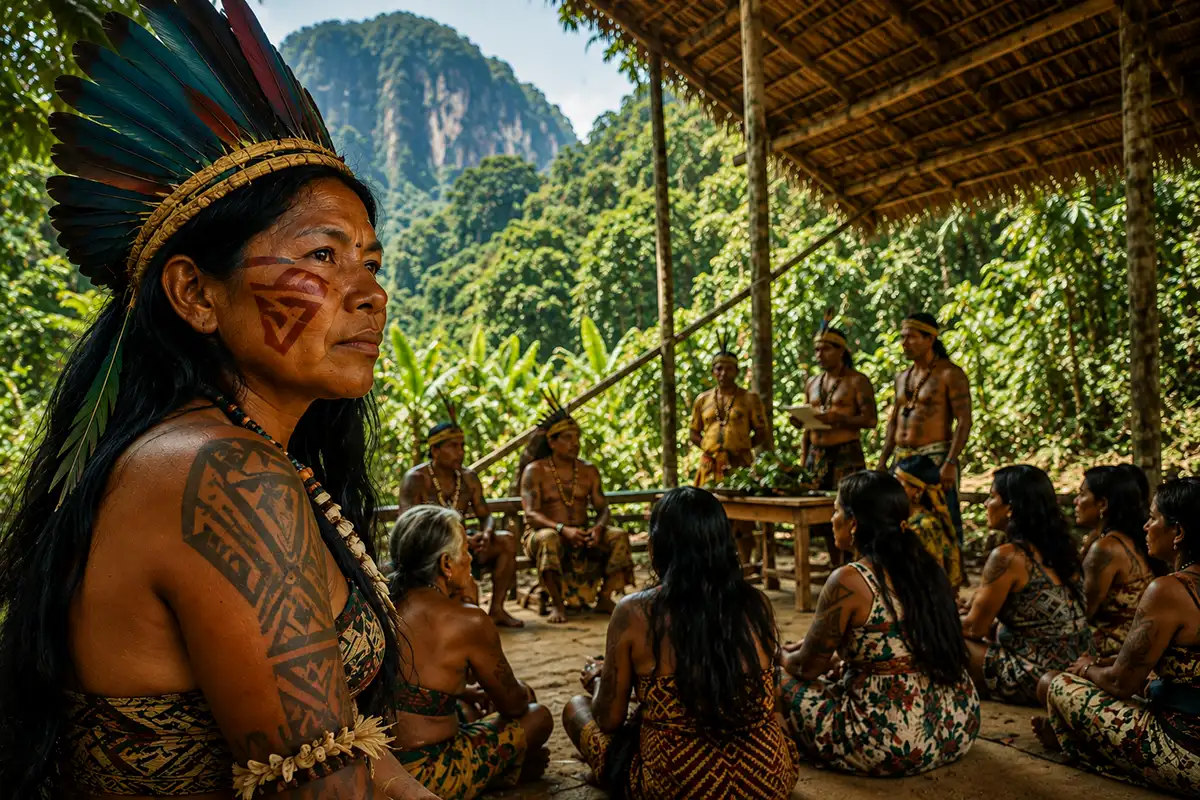
Sacred face paints are more than decoration. Across many Indigenous and ancestral traditions, body and face painting carry symbolic, spiritual, and protective meaning.
Colors placed on the skin can represent identity, ceremony, protection, transformation, or connection with nature.
These markings often communicate stories without words.
Sacred face paints reveal how color, symbolism, and the human body become part of a living language.
What Are Sacred Face Paints?
Sacred face paints are ceremonial or symbolic markings created using natural pigments, plant dyes, charcoal, clay, or mineral-based colors.
Many traditions apply these paints during rituals, celebrations, healing practices, or important life events.
The patterns and colors often carry specific meanings connected to ancestry, protection, or spiritual awareness.
1. Face Paint as Protection
In many traditions, painted symbols are associated with protection.
The markings may represent strength, animal spirits, ancestors, or natural forces.
This protective role is one of the oldest meanings connected to sacred face paints.
2. Colors That Carry Meaning
Different colors often represent different qualities.
Red may symbolize vitality or life force. Black may symbolize depth, mystery, or protection. White may represent peace or transition.
These symbolic associations strengthen the meaning of sacred face paints.
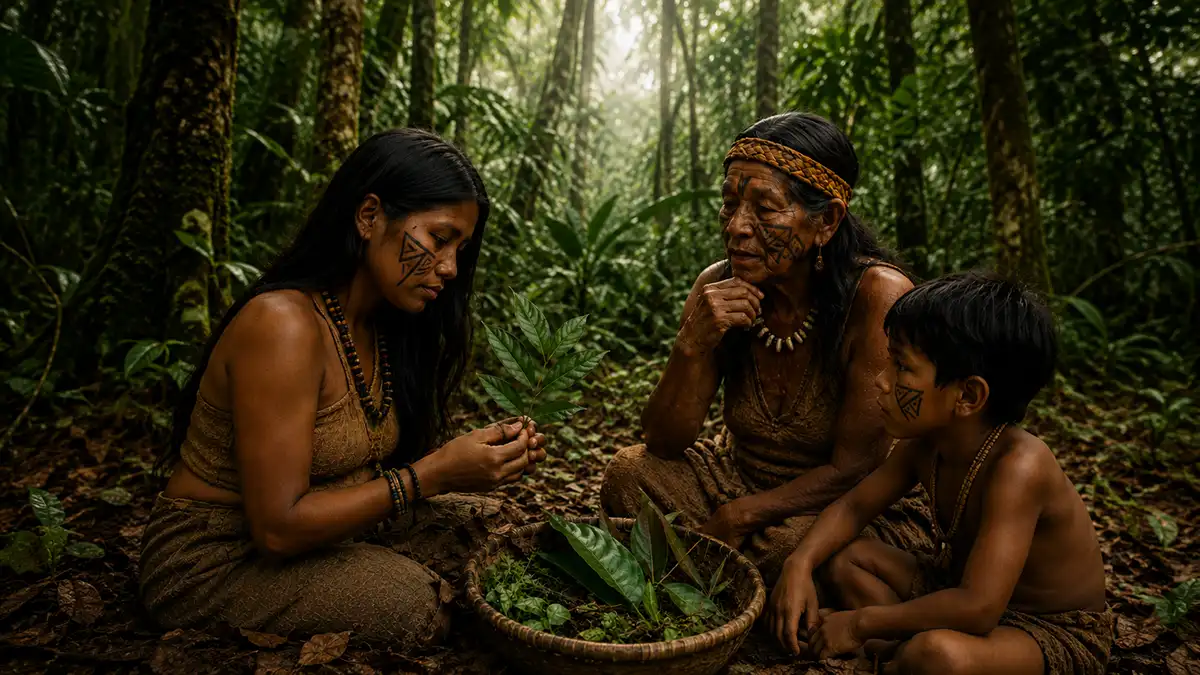
3. Natural Pigments from the Forest
Traditional face paints are often created using materials found in nature.
Plants, seeds, charcoal, clay, and minerals provide the pigments.
This connection with natural materials reinforces the relationship between sacred face paints and the forest itself.
4. Identity and Belonging
Face painting can also represent identity.
Certain patterns may indicate community, role, family, or ceremonial purpose.
Because of this, sacred face paints often communicate belonging and continuity.
5. Awakening Through Ceremony
Painting the body can mark a shift in awareness.
The act itself becomes part of preparation for ritual or ceremony.
This transformational aspect is central to many traditions involving sacred face paints.
6. The Human Body as Symbolic Space
Many ancestral traditions see the body as more than physical.
Markings placed on the skin transform the body into a symbolic space.
This perspective deepens the meaning of sacred face paints beyond aesthetics.
7. Why These Traditions Continue
Face painting traditions continue because symbols continue to matter.
Humans naturally communicate through image, color, and pattern.
This enduring connection explains why sacred face paints remain powerful across generations.
The Relationship Between Color and Symbolism
Colors influence perception and emotional association.
Different cultures assign symbolic meanings to specific tones and patterns.
Scientific discussions related to body painting explore how human societies use paint for identity, ritual, and symbolism.
This relationship between color and meaning exists worldwide.
Connection with Forest Traditions
In many forest traditions, face paints are connected to ceremony, protection, and respect for natural forces.
The colors are not random decorations — they are intentional expressions.
For those exploring deeper awareness, our Rapéh Guide offers insights into grounding and respectful approaches to traditional practices.
You can also explore how to use rapéh to understand ceremonial preparation and intentional awareness.
Experience the Power of Symbolism
Symbols and colors shape human perception deeply.
Throughout history, humans have used visual language to express identity, protection, and transformation.
For adult practitioners exploring deeper awareness, Queen of the Forest offers sacred tools including our sacred rapéh collection and handcrafted kuripe applicators.
These tools should always be approached with respect and awareness.
Colors That Speak Without Words
Sacred face paints reveal that color and symbol can communicate far beyond language.
They represent protection, identity, ceremony, and connection with the natural world.
And through these ancient markings, traditions continue carrying memory and meaning across generations.
What are sacred face paints?
They are symbolic or ceremonial markings created using natural pigments and traditional patterns.
Why do Indigenous traditions use face paint?
Face paints may represent protection, identity, ceremony, or spiritual symbolism.
What materials are used in traditional face paints?
Natural pigments from plants, charcoal, clay, seeds, and minerals are commonly used.
Do different colors have different meanings?
Yes, many traditions associate specific colors with symbolic qualities or natural forces.
Continue exploring
All stories
The medicines of the forest